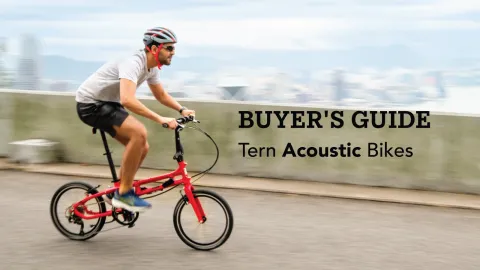
Is a Folding Bike Right for You? Benefits and Key Considerations
Folding bikes have become one of the top choices for urban riders: compact enough to tuck into a closet or carry onto a train, yet versatile enough to handle daily commutes and weekend travels. They come in more varieties than most people expect, from lightweight commuter bikes to folding e-bikes, each finding its own balance of compactness, performance, and ride quality to suit different riding needs. That variety also means they are best suited for certain riders and lifestyles, and not always a straight replacement for regular bikes.
If you're weighing whether a folding bike could meet your needs, this article walks you through the key benefits and trade-offs you need to know before deciding if it’s worth making the switch.
Contents
- The real benefits of owning a folding bike
- Features you should check before buying a folding bike
- Are folding bikes a good choice for you?
- Conclusion
The real benefits of owning a folding bike
Folding bikes are best known for their compact size, and for good reason. Let's look at the four situations where a folding bike makes a real difference:
1. Dealing with limited storage space at home
Folding bikes are best in places where space is tight. With wheels typically sized between 16” and 20”, they fold down small enough for apartment corners. If you’re considering getting a new bike but struggling to find convenient storage, a folding bike that can easily slide under your desk or fit in a shelf simply removes that friction.
2. Keeping the bike indoors
Being able to keep your bike indoors isn’t just a space hack—it’s also practical protection. Tucked in your office, classroom, or the occasional bike-friendly café, your folding bike stays out of reach of theft, dirt, rain, and the kind of sun-baked saddle you would rather not come back to. It’s one of the small details that quietly adds up to a more pleasant riding routine over time.
3. Taking public transport
Going car-free on a mixed-mode commute becomes much easier with a folding bike in tow. Ride it to the nearest subway station, carry it onto a packed metro without blocking the aisle, unfold it at the station exit, and ride the last stretch to your destination—all within a single commute. For urban commuters combining walking, cycling, and public transit, a folding bike offers a door-to-door flexibility that a full-size bike simply can’t match.
Learn more: Top 5 Benefits of Commuting with a Folding Bike
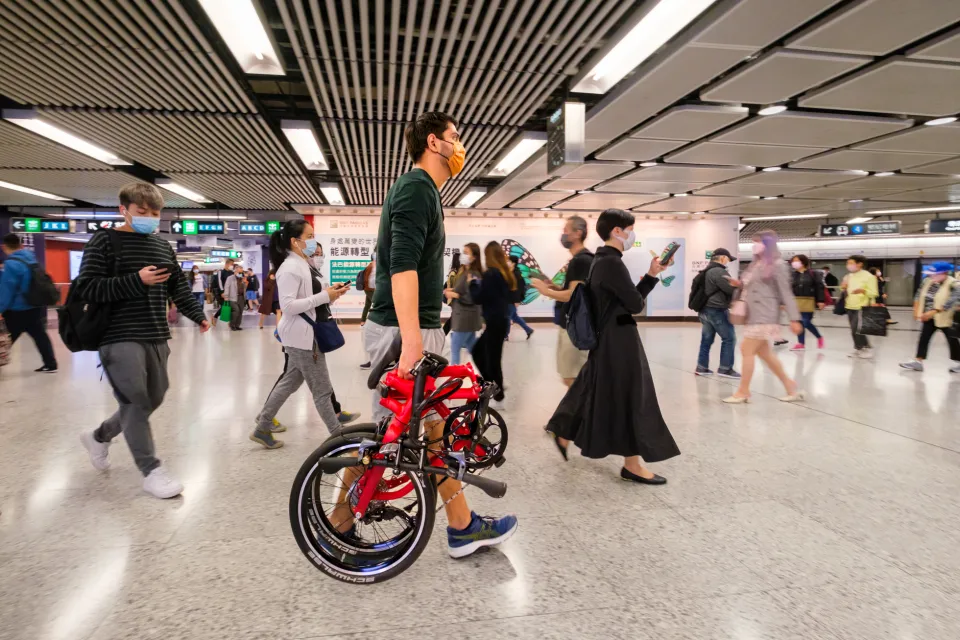
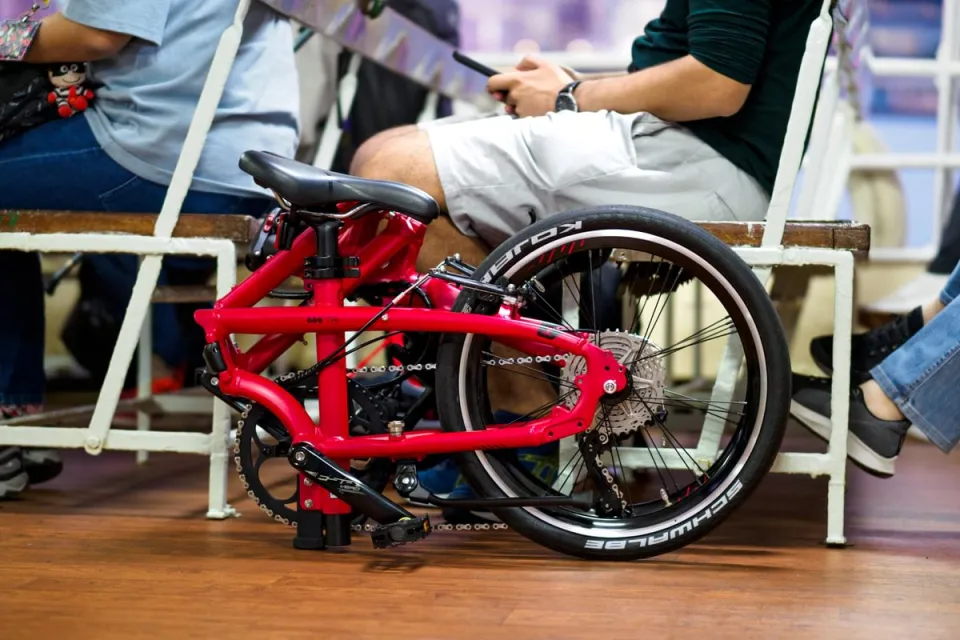
A lightweight folding bike, compact enough to carry through a busy commute and tuck away wherever your day takes you.
4. Traveling light
Many travelers find a folding bicycle to be one of the most efficient ways to explore a new city. On a weekend trip, the bike fits neatly into a sedan trunk without a bike rack. Once you arrive, it takes you down hidden trails and narrow alleys you’d normally miss on a car. Some folding bicycles, such as the BYB, are even compact enough to pack into a suitcase and check as airline luggage for longer trips or international travel. In both cases, a folding bike is an ideal choice for any traveler seeking a flexible and fun way to get around.
Features you should check before buying a folding bike
Folding bikes come with unique advantages, but also real trade-offs worth knowing before you buy. Here are the most common limitations to keep in mind.
Riding comfort and stability
Riding a foldable bike can feel more wobbly than what you’re used to. The smaller wheels mean the ride is naturally bumpier on uneven surfaces. Think about gravel paths, cracked pavements, or anything that isn't a smooth city road. At higher speeds or over rough potholes, the folding joints in the frame can also make the bike feel a little twitchy, requiring more attention to handle, and can feel slightly intimidating for newer riders. The good news is that a well-designed folding bike with quality frame geometry and solid components can bring that gap down significantly, and still deliver a smooth, comfortable, and safe ride for everyday use.
Folding mechanism and maintenance
The whole point of a folding bike is that it folds, and two parts make that happen: the hinge, which lets the frame fold in half, and the latch, which keeps everything locked shut so nothing springs open mid-ride. Unlike a regular bike, these extra moving parts mean the engineering behind them really matters—on a well-built model, the whole process feels swift and intuitive; on a poorly designed one, it can feel complicated and frustrating.
Like any moving part, the folding joints also add one extra maintenance task to your list. A routine check for quick adjustment and light lubrication on the hinges is highly recommended to keep the fold smooth and secure.
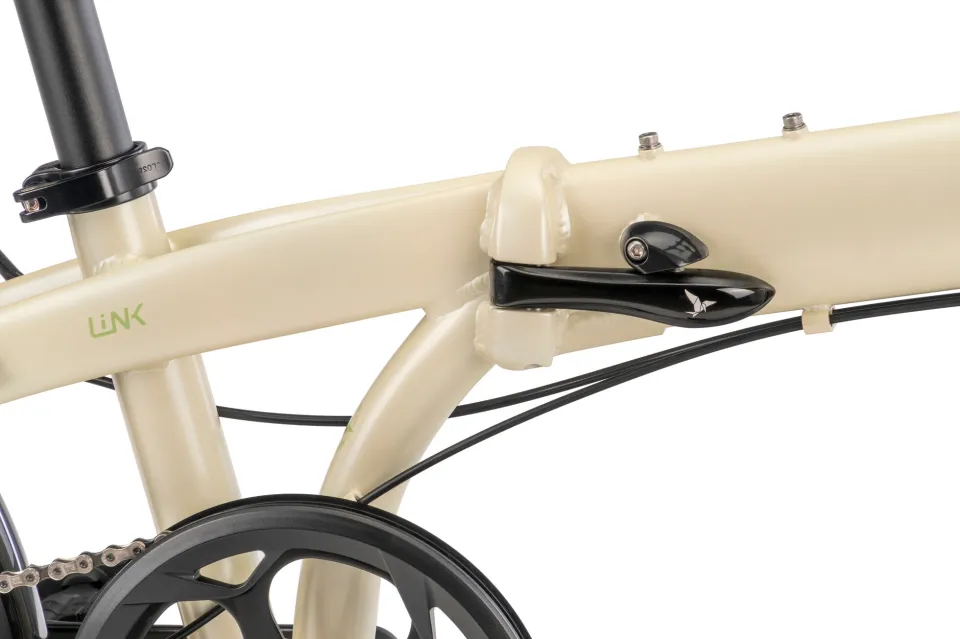
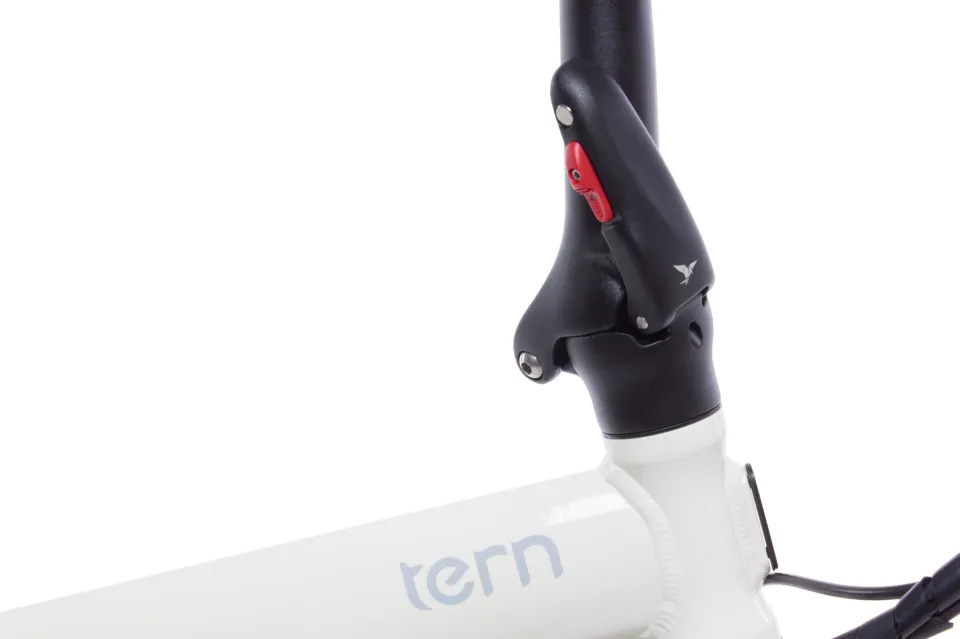
Hinges on a folding bike
Cargo capacity
Folding bikes shine when you travel light. Small bags and light panniers are manageable, and some folding bikes support racks that stay on while folding, making them a practical choice for shorter trips or picking up a few missing ingredients from the grocery store. Beyond that, they’re not designed for heavy loads or carrying passengers. If cargo capacity is a regular need, it's worth factoring into your decision early.
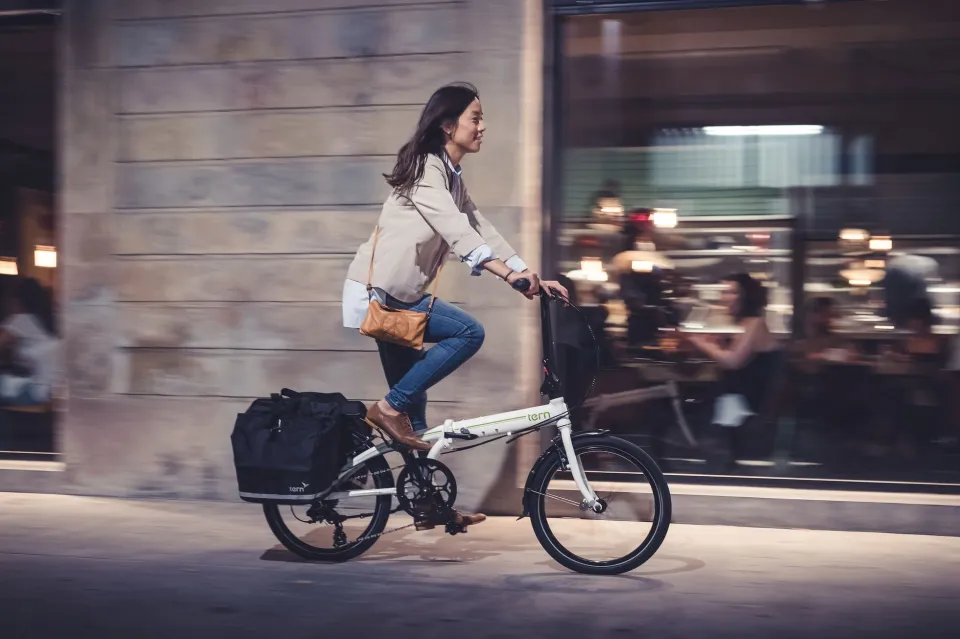
Many folding bikes handle light panniers well, making them handy for a quick grocery run or daily errand.
Electrical safety
Considering a folding e-bike for its power and performance without giving up portability? Battery and electrical safety deserves a spot at the top of your checklist. Look for models with complete e-bike systems certified to UL 2849—the widely recognized standard for electrical and fire safety covering all major electrical components, including the battery, motor, charger, and wiring—and you’ll be in good hands.
More tips: How to Choose a Folding Electric Bike to Fit Your Life
Are folding bikes a good choice for you?
A folding bike earns its place if your routine doesn’t stay in one lane—when your day blends cycling, walking and taking public transit, a bike that folds quickly and fits into tight spaces can make everything feel more seamless. It’s just as useful at home where you can keep it indoors without much thought.
It’s also a capable travel companion that opens up a more flexible way to explore new cities without renting a bike or being limited to routes covered by public transit. For vanlifers, it’s an extremely practical choice, letting you keep the bike clean and secure inside your RV/camper van rather than dealing with a heavy-duty bike rack.
That said, it’s not the right answer for everyone. A folding bike may fall short if you prioritize long-distance riding comfort over portability, regularly ride on tough terrains, frequently carry heavy loads, or need a cargo bike built for carrying passengers.
Conclusion
The right question was never really "are folding bikes good?", but whether one fits the way you live, commute, and get around. If the advantages speak directly to your daily routine, that's a strong signal. If the trade-offs give you pause, that's worth listening to as well.
Ready to take the next step with a folding bike? Explore our acoustic bike lineup with a wide range of folding bike options across different riding styles and needs. Chances are the right one is closer than you think!
Related Articles