To the outside world, the Netherlands is known for its cheese, windmills, and of course, cycling. However, unlike tourists, Dutch people don’t see it simply as a recreational activity. With solid bike lane infrastructure and compulsory road safety classes in elementary schools, cycling is considered an integral life skill. As a Dutch Tern team member, I’m going to share with you how it was growing up on bikes and how it has influenced my worldview.
Contents
- Tern's very own certified cyclist
- "What do you mean, 'cycling certificate'?"
- Lessons from a lifetime of cycling
Tern's very own certified cyclist
Before we delve into the wonders of cycling in the Netherlands, please allow me to introduce myself. My name is Jovanka Wanadya, and I’m a Content Developer at Tern. I was raised in Bike Country, currently live on Bike Island (Taiwan), and have been cycling for as long as I can remember. And if you’re really curious, my favorite Tern bikes are my own Gen 1 HSD S8i, Vektron P5i, and the Short Haul.
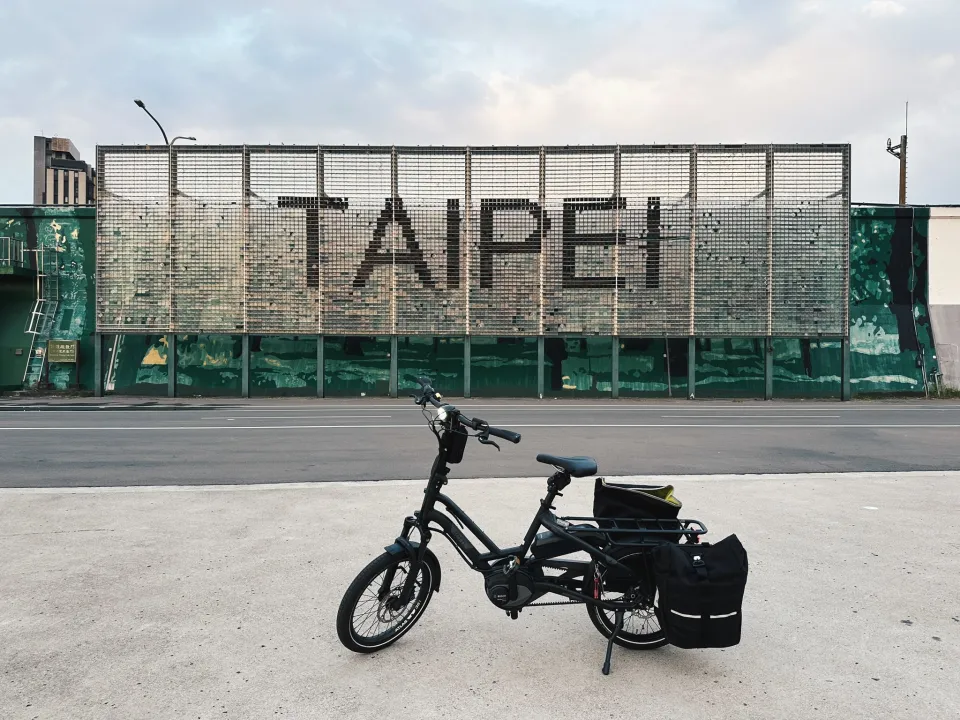
My own Gen 1 HSD S8i, which I named “Mona”. Author's own photo.
You may have already read some of my articles covering technical aspects of Tern bikes and accessories, but talking about cycling culture is important, too. It’s interesting to learn about how people regard cycling: not only what they use their bikes for, but also what cycling means to them.
If there’s anything I’ve learned from being surrounded by bikes my entire life and working at Tern, it’s how unique the Dutch perspective is on cycling.
"What do you mean, 'cycling certificate'?"
For instance, I thought it was completely normal to have a cycling certificate until I got bewildered looks from my colleagues.
In the Netherlands, having such a certificate is as normal as having a driver’s license or eating hagelslag sandwiches daily. You see, road safety classes (verkeerslessen) are compulsory in primary education. Starting from kindergarten until the sixth grade, Dutch kids receive instruction on traffic rules and undergo an examination upon completing elementary school. The goal is to instill in kids a sense of responsibility and that cyclists and pedestrians are equally important as motorized vehicles.
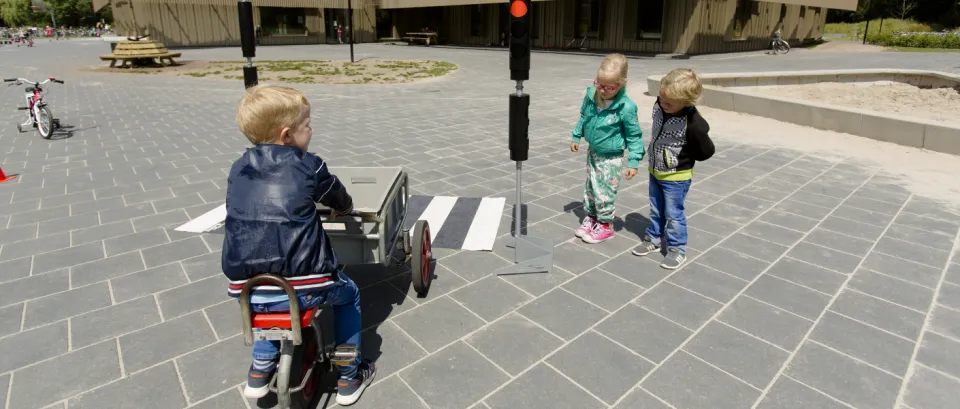
Photo: Veilig Verkeer Nederland
B-Day: Bike exam day
The sixth-grade bike exam consists of a written exam, a thorough check of your bike, and a practical exam, which are all administered by the school and Veilig Verkeer Nederland (Dutch road safety bureau). It usually takes place a few weeks before summer vacation: it marks the end of elementary school, and you’ll be considered a ‘big kid’ once you’ve passed the exam.
Back in the day, I was really nervous: the essay questions seemed pretty serious, my tires were underinflated, and the whole school was going to scrutinize my cycling skills. Oh-oh. I guess every 12-year-old has encountered some sort of crisis, but in hindsight, I think my anxiety was uniquely Dutch. Hence the amazed looks during a Tern marketing meeting many years later.
During the practical exam, I had to ride a set route around the school neighborhood, with no road closures to mimic real-life scenarios. But don’t worry—teachers, volunteers, and police officers observed participants along the way to ensure everyone’s safety. After the exam, I went about my daily business with a knot in my stomach, waiting to see whether the Spartan cycling education would actually pay off.
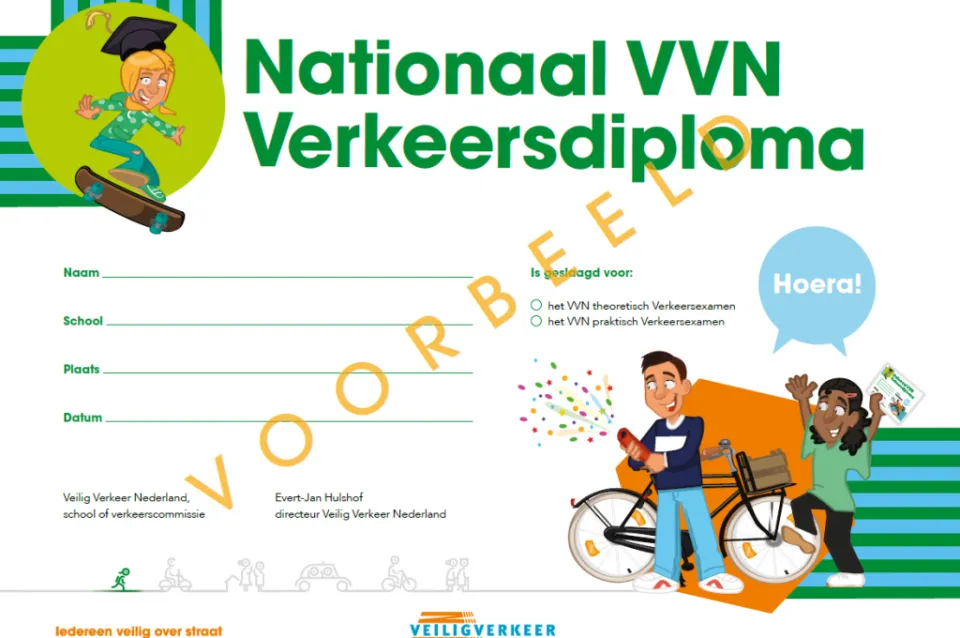
The coveted verkeersdiploma (road safety diploma). Photo: Veilig Verkeer Nederland
Graduation camping trip
In the end, everything did pay off, and those underinflated tires faded into obscurity. Since my classmates and I now proved to be worthy cyclists, it was time to go on a camping trip across southern Bike Country and put our knowledge into practice.
The graduation camping trip is a Dutch tradition for graduating sixth-graders: a week of cycling through the countryside, camping under the open sky, and indulging in abundant pancakes. We went from one camping site to another, enjoying the scenery and living the scouting life. But this was not the end of our Spartan education.
I remember our group covered a solid 500 kilometers that week, and whenever we felt like giving up, our teachers reminded us that the next ‘pancake house’ (pannenkoekenhuis) wouldn’t magically come to us. The only way to get there was to just ride harder. Pedaling for pancakes was exhausting, but at least we would stop nagging, and the pancakes would fuel the next stretch of our trip. The camping trip was as fun as it was adventurous, and it taught me to persevere.
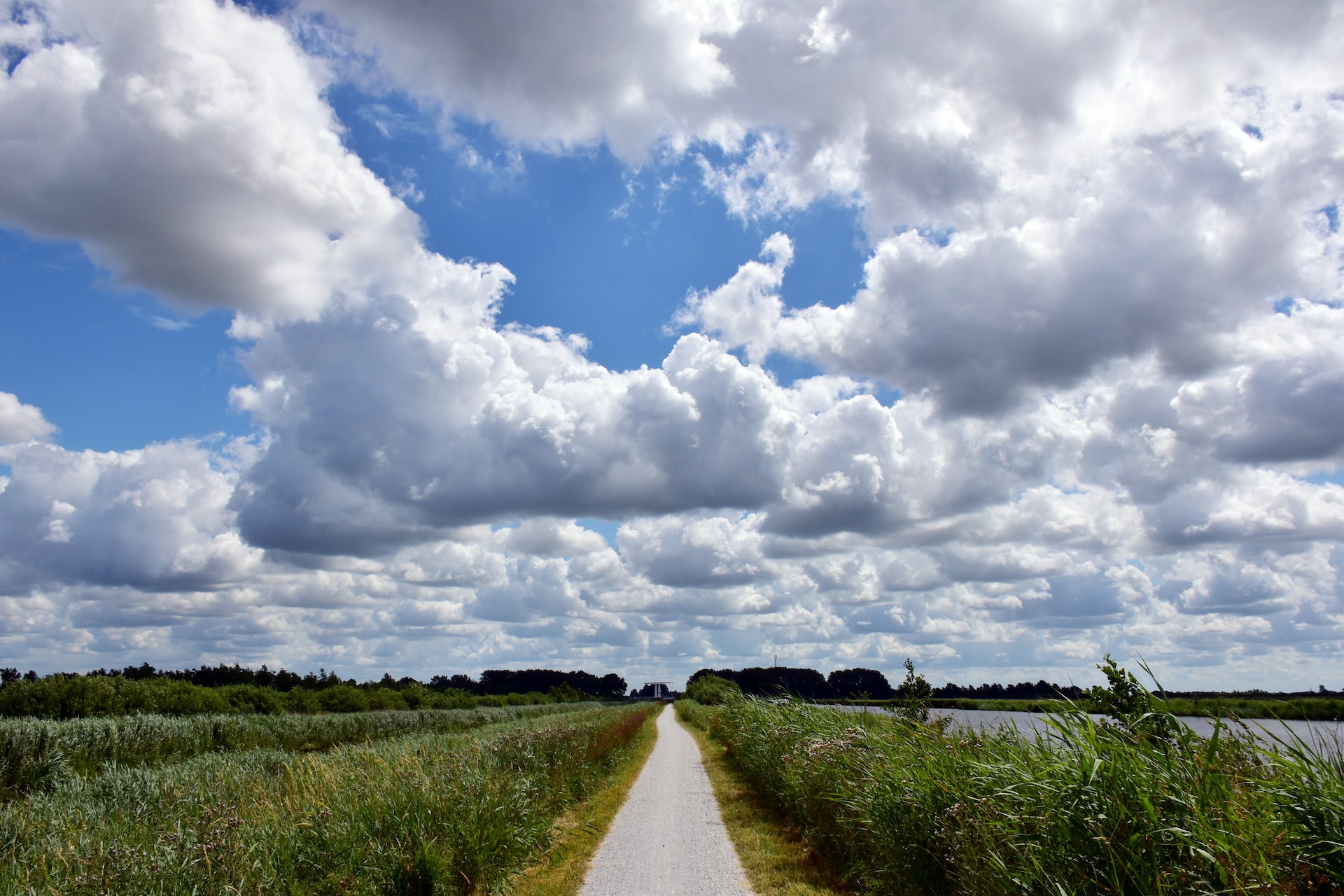
Open skies and fresh air are two things I miss most about living in the Netherlands. Photo by Ries Bosch on Unsplash

You can’t say no to this! Photo by Portuguese Gravity on Unsplash
Lessons from a lifetime of cycling
Flash forward to the present day at Tern HQ. As peculiar as it may be, I now realize that the camping trip made me forever associate cycling and pancakes with camaraderie. It was never about the diploma. It was all about how much fun cycling could be, even more so after moving from Bike Country to Bike Island.
Since I never thought I’d work in the bike industry, I also never expected that my knowledge and experiences would be useful. This is exactly why I’m pleased that my outlook resonates so strongly with Tern’s values: biking should be safe and done responsibly, but above all, fun.
I hope you’ve enjoyed reading about my personal experiences as a certified cyclist. Now you may also understand why the bike is not considered merely a toy to play with before Dutch youngsters move on to driving when they’re of age. The bike is something Dutch people grow up with and keeps moving them forward—well beyond elementary school and the next pancake house.
Photo by Nuno Ricardo on Unsplash
Related Articles