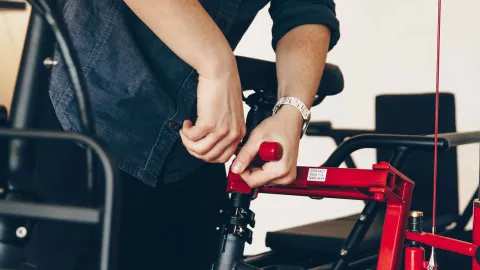
Touring with your e-bike is easier than you think (and totally worth it).
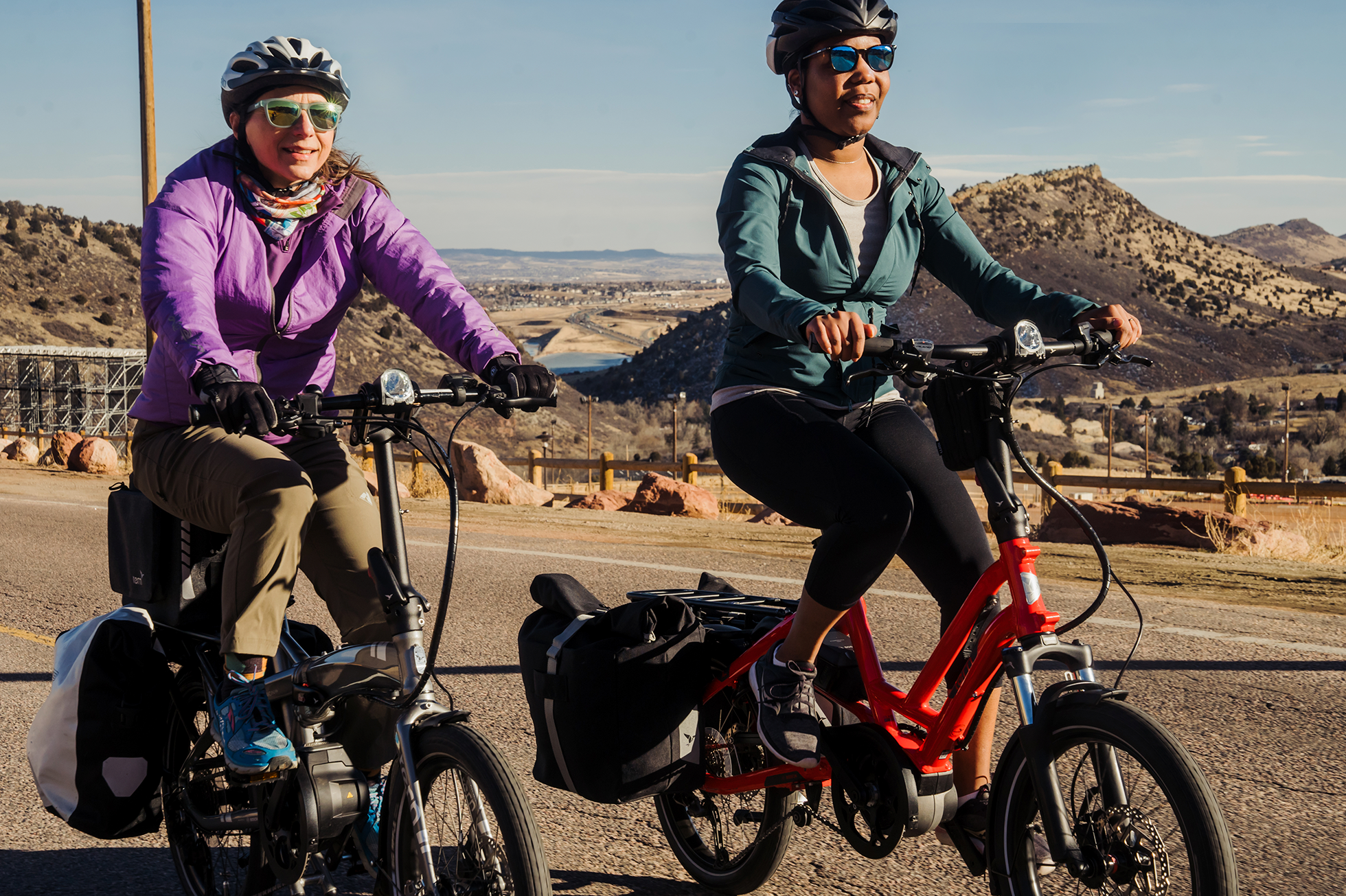
Photo credit: Natalie Starr
When you hear the phrase “bike touring,” what comes to mind?
If you’ve never tried it, you might think long-distance bike tours are something only super-fit (and slightly crazy) hardcore cyclists can pull off.
If you’ve got a few tours under your belt, then you’ve experienced the perspective-shifting, life-changing magic a great bike tour offers.
On the other hand, you’ve also experienced the pain touring can bring: crawling through relentless headwinds, running out of steam during a never-ending climb, and rolling into your destination feeling like you’ve won the war (but just barely).
No matter which category you fall into, an e-bike might be all it takes to change your mind about what bike touring can be. Touring with your GSD, HSD, or Vektron offers countless benefits to those willing to take the plunge—and fall and spring are the perfect seasons to try it.
In this article, we’ll tell you everything you need to know to get started with e-bike touring. Consider this a crash course, a healthy dose of encouragement, and an invitation to explore new ground.
Contents
- Why try e-bike touring?
- Can my Tern e-bike handle tough touring conditions?
- How do I manage my battery range while touring?
- How do I plan an e-bike tour?
- How do I make sure my bike is ready for touring?
- What kind of maintenance and repair equipment should I carry?
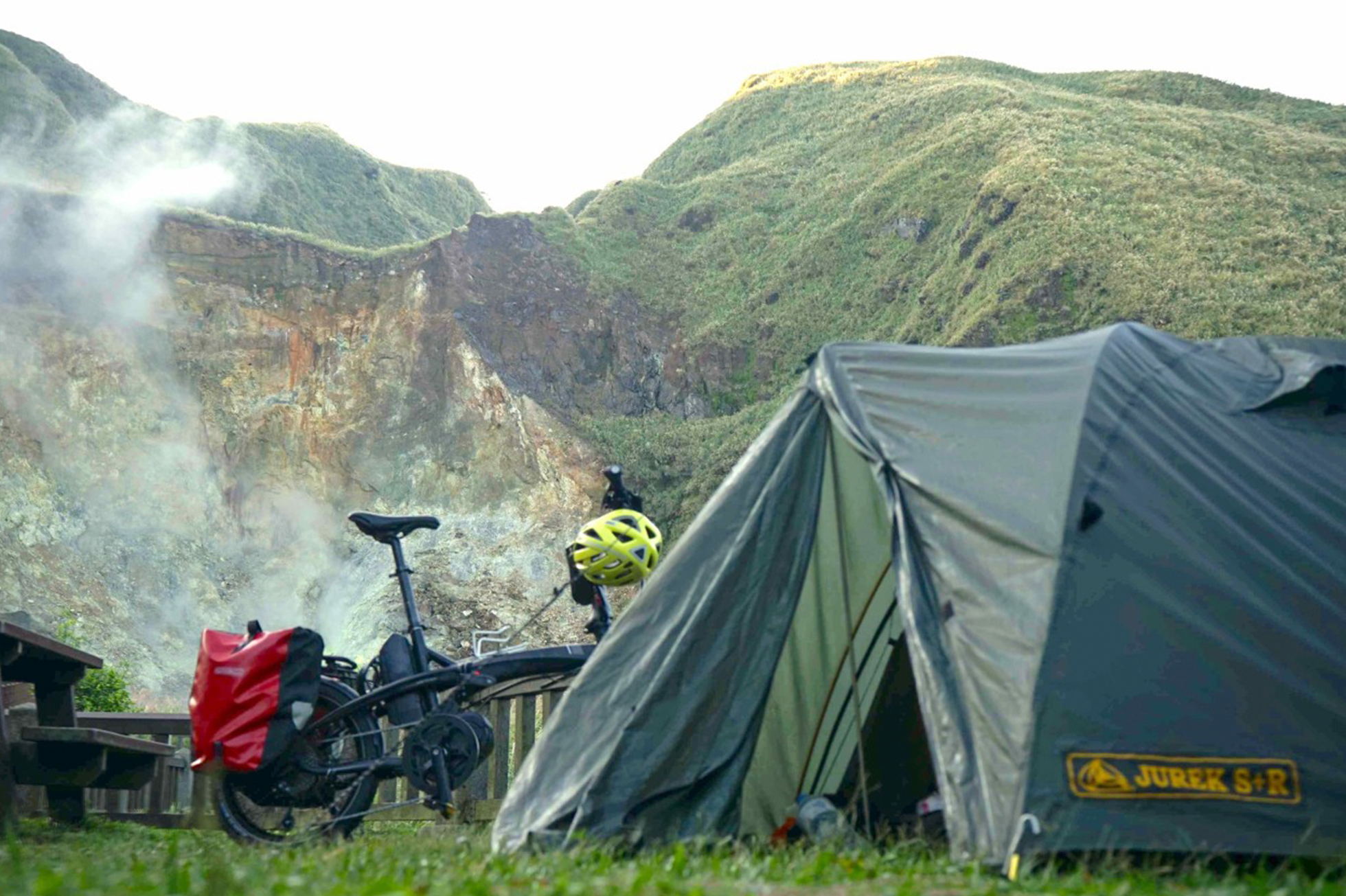
Why try e-bike touring?
Bike tours can be transformative experiences. They let you explore the world from a different vantage point, build connections with like-minded people, and create memorable experiences—all powered by your own two legs. Many enthusiasts say the feelings of accomplishment and self-sufficiency they get from touring last a lifetime.
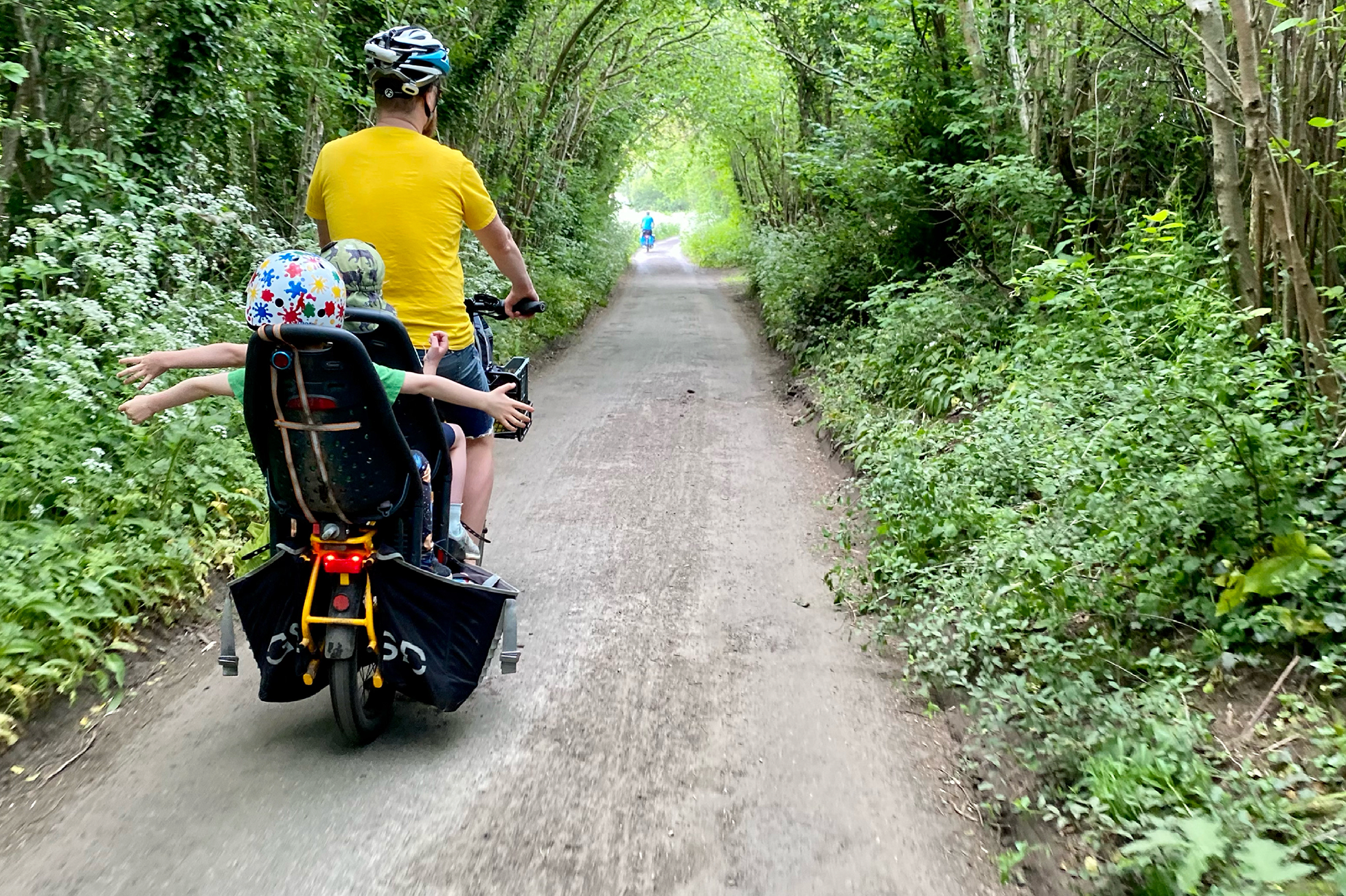 Credit: @SaskiaHeijltjes
E-bikes make those benefits available to almost everyone by decreasing the fitness required to tour. That means folks of different ages, backgrounds, and experience levels can enjoy touring together—nobody’s left behind.
If you’ve got a fitness buff or two in your group, they can always reduce or turn off their e-assist to keep the challenge level high.
All this makes e-bike touring a great way to connect with others and strengthen bonds safely—something we could all use more of after the isolation of recent years.
In addition to being more inclusive than standard bikes, e-bikes can help you get more from touring. Since e-bikes make hill-climbing easier, you can choose your route much more freely. And you won’t have to worry about headwinds knocking you off schedule—your motor will help you power through.
When you arrive at your destination at the end of each day, you’ll be pleasantly tired and extra-hungry—after all, e-biking burns nearly as many calories as conventional cycling—but you won’t feel like your legs are made of jello. Instead, you’ll have plenty of energy left over to explore and enjoy the local food and drink with friends or family.
Interested in giving it a try? Read on for answers to some common practical questions about e-bike touring.
Can my Tern e-bike handle tough touring conditions?
The short answer is yes, assuming two conditions are met:
- Your Tern e-bike is well maintained,
- and You choose appropriate riding surfaces. The GSD and HSD are designed for paved roads or maintained gravel trails. The Vektron is designed for paved roads only.
Your Tern bike’s parts are robust and easily serviceable. As long as you get your bike checked out by a mechanic before your trip and repair or replace any worn parts, you’re unlikely to encounter major problems. If you do run into trouble, any bike shop should be able to work on the name-brand parts that make up your bike.
Some riders worry that tough conditions like prolonged rain and dusty roads could damage their Bosch drive system. For the most part, these worries are unfounded. Your Bosch motor is watertight to rain, and the seal is tight enough to defend against most environmental contaminants (never point a pressurized sprayer at your motor, though).
One environmental factor you should take into consideration is temperature. Your e-bike’s motor system has an ideal temperature range for operation (see your motor system’s manual for details).
Of course, you probably won’t want to tour in temperatures outside the range—mild fall or spring temperatures are much more pleasant. But in case you’re a glutton for punishment, here’s what you should know:
- In very cold temperatures, your battery life may be significantly reduced.
- In very hot temperatures, your battery may overheat. Your Bosch battery has a built-in battery management system for safety. If the battery gets too hot, your display and motor will shut themselves off until the bike cools down. Your motor has to get pretty hot to trigger a shutdown though—this usually involves extreme temperatures and/or intense sunlight.
How do I manage my battery range while touring?
We get it—range anxiety is a real thing. But as long as you plan ahead, managing your battery range while touring is pretty straightforward.
It’s true that loading up your bike with touring gear will decrease your battery range. It’s also true that getting stranded with a dead battery and a heavily loaded bike is far from ideal.
The good news is, places to charge are plentiful, and you’ll have all the information you need to time your charging stops appropriately. If you plan carefully, you shouldn’t ever be caught by surprise with a dead battery.
Here are our tips for managing your battery life before and during your tour:
Before Your Tour
1. Predict your battery range during your tour.
You can use the Bosch eBike Range Calculator to get a ballpark estimate. The calculator takes almost every factor that affects range into account.
If some legs of your tour will consume more battery than others (for example, due to hillier terrain), you may want to come up with separate estimates for these legs. Your mapping application (e.g., Google Maps, Apple Maps) should display your route’s elevation changes.
2. Complete a test run to validate your prediction.
If you’ve never toured before (or never with your current e-bike) a test run is a must. It’ll help you refine your battery range prediction, identify issues with your gear or load, and boost your confidence.
Choose a long-ish route near your home (ideally one with terrain similar to that of your tour route). Load your bike up as if you were departing for your tour. Bonus points for choosing a rainy, windy, or otherwise arduous day for your test run—now you know you can handle the worst.
Reset your trip distance using your display before you set off for your test run. You can either ride until you run out of battery or use your display’s continuously updated range estimate to project your range. Use this info to validate and refine the predicted range you came up with earlier.
More Info:
3. Consider taking a second battery.
If you have a GSD, you can use its built-in Dual Battery option. If you have an HSD or a Vektron, you can bring a second battery tucked safely away in your panniers—a Bosch battery weighs about 2.5 kg (5.5 lb).
4. Plan charging stops along your route based on your predicted range.
When and where you stop to charge depends on your overall touring plans. There are many options beyond your hotel or campsite. Virtually all businesses and public facilities have unused outlets, and many are happy to let you charge if you ask politely.
Here’s a list of ideas to get you started:
- Hotels
- Campsites
- Campground bathrooms
- Restaurants
- Cafes
- Bars
- Gas stations
- Churches
- Grocery stores
- Visitors’ centers
- Laundromats
- Bike shops
During Your Tour
1. Keep an eye on your display’s range estimate.
Your Purion or Intuvia display provides a continuously updated range estimate based on current riding conditions.
2. Be aware of nearby charging options—just in case.
At the start of each day of riding, take a look at your mapping app and create a mental list of charging options you may find along the way. Having a backup plan will put your mind at ease and give you a little more flexibility for spontaneous detours.
How do I plan an e-bike tour?
Your planning process will depend on your travel style. Some people like to plan every last detail in advance, leaving nothing to chance. Others take a more spontaneous approach and are comfortable making assumptions and taking risks.
No matter how you approach your planning, here are several big things to consider:
1. Where to go.
Obviously, figuring this out is step one. If it’s your first time touring, you may want to start from your home (or somewhere nearby) to see your part of the world from a new perspective.
But don’t rule out taking a train to a starting point farther afield. Just make sure to check schedules and bike policies carefully. If your local train system is e-bike-friendly and reliable, you can also mix days of cycling with days of train travel to expand your range.
Need some destination inspiration? Here are a few resources to check out:
- Adventure Cycling (offers suggested routes, guided tours, and lots of helpful info)
- Local and regional guides for both bike and road travel
- Information supplied by local and regional tourism agencies
- Resources offered by local bicycle clubs
- In the U.S., the Rails-to-Trails Conservancy (find trails using their TrailLink app)
2. How long to tour.
This depends on you, your schedule, and your budget. Another thing to consider is that if you camp and prepare your own food, longer trips require more (and heavier) gear. Make sure to stick with a load you can easily manage (and never exceed your bike’s MGVW).
3. Budget.
Again, this is pretty personal. How much you’ll need to spend depends on the length of your trip and how you handle food and accommodations. Camping and preparing your own food is the cheapest option. Staying in hotels and eating at restaurants is more luxurious, with a price tag to match.
4. Load limit.
We’ve said it once before, but we’ll say it again: as you plan, consider all the gear you’ll need and be sure to stick to a load you (and your bike) can easily carry.
You never want to exceed your bike’s MGVW, but the MGVW itself may be more than you comfortably carry on your tour. During your test run, make sure to think about how the load feels and whether you’ll be able to manage it for a full day of riding, day after day. Keep in mind that long rides feel different than short rides—your body tires and your bike’s handling changes. If you’re struggling even a little on your test run, you need to pare down your load.

Don’t forget that your bike’s rear and front racks also have load limits. These load limits include the weight of any accessories (such as panniers or other bags) as well as the contents of those accessories.
5. Route and stops.
We touched on this in the section about battery range, but you’ll need to decide how far you can (or want to) ride between stops. Make sure your plan provides for adequate food and water, a safe and comfortable place to sleep, and adequate charging opportunities.
6. Plan B and emergency contact.
If you plan well, you’ll very likely complete your tour successfully and encounter only minor (and surmountable) challenges. But no plan is complete without a backup plan. Know what you’ll do and who you’ll call if trouble arises before you depart.
Credit: Natalie Starr
How do I make sure my bike is ready for touring?
Never leave home base without checking to make sure your bike is in good condition.
If you’re only headed out for a day or two, and your bike is well maintained, a standard pre-ride check should be enough. We recommend riders complete the ABCQ test before every ride. Here’s a video showing how:
If you’re planning to tour for more than a couple of days, you really need a professional to check out your bike’s condition before you leave. Take your bike to your Tern dealer (or another local bike shop), explain your plans, and ask the shop to take a look at your bike. Make sure to complete any recommended maintenance before departing.
What kind of maintenance and repair equipment should I carry?
When bike touring, you’ll definitely want to be prepared for anything. What maintenance and repair equipment you’ll need to take depends on how long you’ll be touring, the distance between your stops, and the businesses and amenities available at those stops.
A few obvious basics include:
- Battery charger: Taking an extra as a backup probably makes sense, and you may want to upgrade to the Bosch Standard Charger for faster charge times (if your e-bike came with the Compact Charger).
- Flat tire kit: Check out this video to learn what a bike expert keeps in hers.
- Tern Tool
More Info:
How To Assemble A Fix-Anything Cycle Touring or Bikepacking Toolkit (Tom’s Bike Trip blog)
Hopefully, these tips have you feeling inspired and ready to plan your own e-bike tour. You’ll have so many stories to tell … and we want to hear them! Share your bike touring photos and stories with your fellow riders:
 Credit: Lucas Wagner
Share Your Story
Hopefully, these tips have you feeling inspired and ready to plan your own e-bike tour. You’ll have so many stories to tell … and we want to hear them! Share your bike touring photos and stories with your fellow riders:
- On Facebook
- On Instagram and Twitter
- Tag us: @ternbicycles
Related Articles