
How to Safely Carry Passengers on the HSD Gen 3 Cargo Bike
This article refers to Tern HSD Gen 3 electric cargo bikes. If you have another HSD generation, check out our Passenger Guide overview. If you’d like to learn more about carrying cargo on the HSD Gen 3, click here.
Contents
- Tern Passenger System
- What is the HSD Gen 3’s load capacity?
- Passenger setups for the HSD Gen 3
- What is Max Gross Vehicle Weight?
- How much passenger weight can I carry on the HSD Gen 3?
- Some friendly reminders
Tern Passenger System
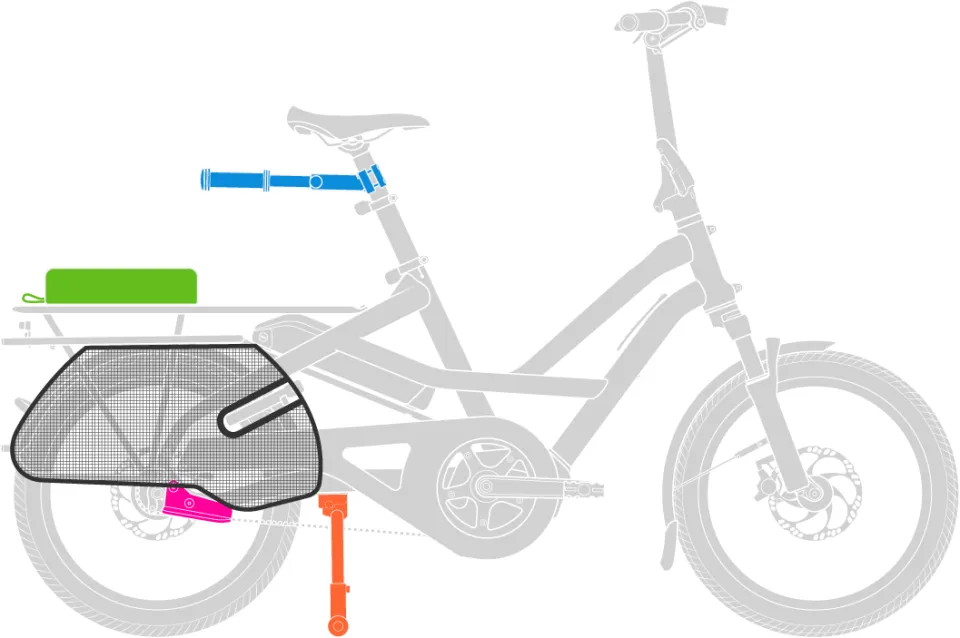
The Tern Passenger System is a framework for Tern bicycles that includes all our passenger-carrying accessories and always requires five elements to carry passengers safely:
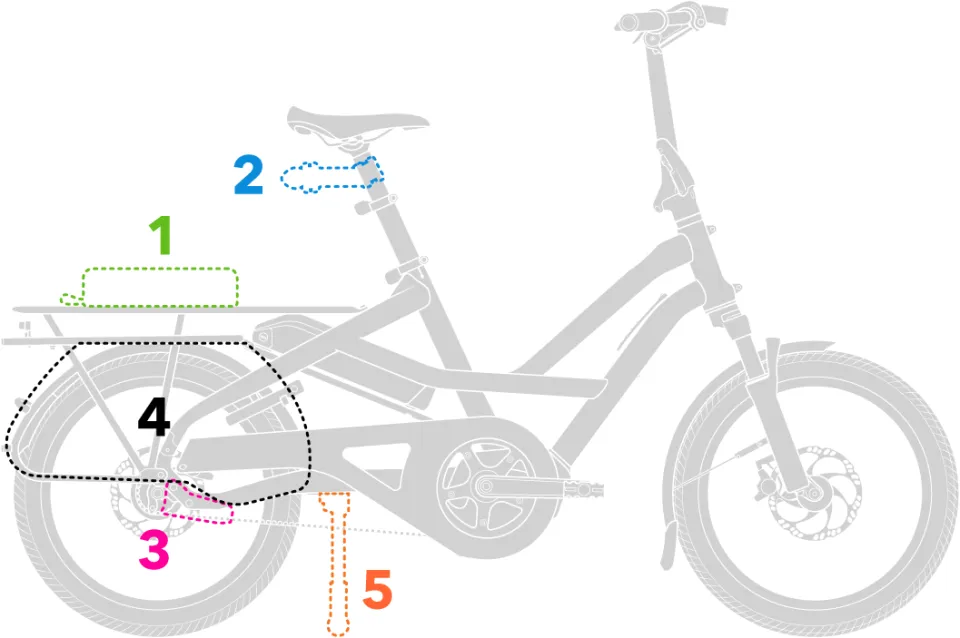
- Seating: Purpose-built rear seating, chosen according to the passenger's needs
- Handhold: Something for the passenger to hold on to, other than the bike itself
- Foot support: Fixed platforms or dedicated foot pegs on both sides of the bike
- Foot and leg protection: Something to prevent feet and legs from getting caught in the spinning wheel
- Double kickstand: Dual-leg stand with a wide stance for extra stability when loading or unloading passengers
What is the HSD Gen 3’s load capacity?
- The HSD Gen 3 has a Max Gross Vehicle Weight of 190 kg (419 lb), and its rear rack is rated to carry up to 80 kg (176 lb).
- The HSD can carry one child or one adult passenger. The combined weight of the passenger and any rear rack-mounted accessories must not exceed 80 kg (176 lb).
Passenger setups for the HSD Gen 3
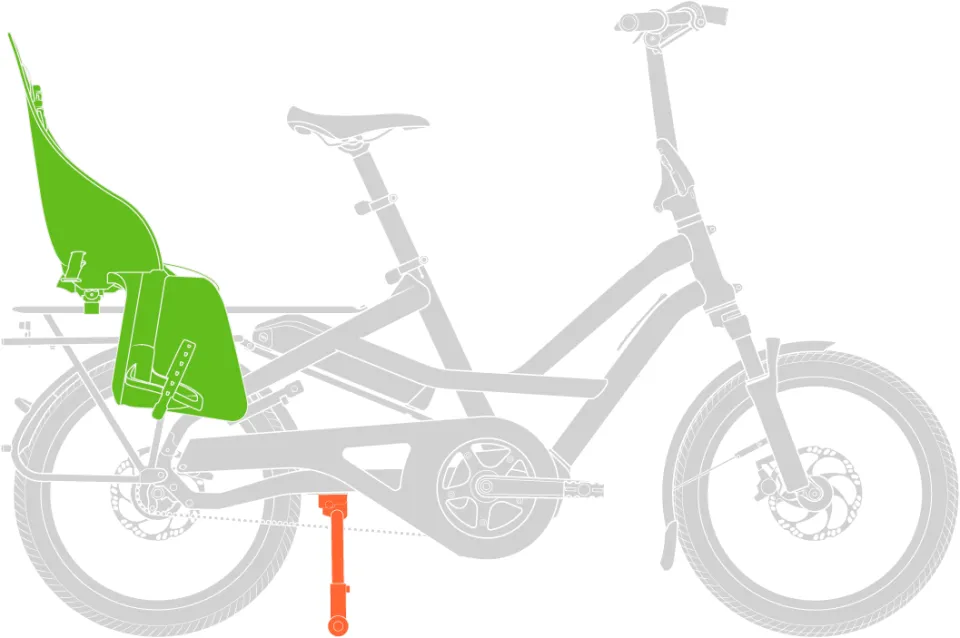
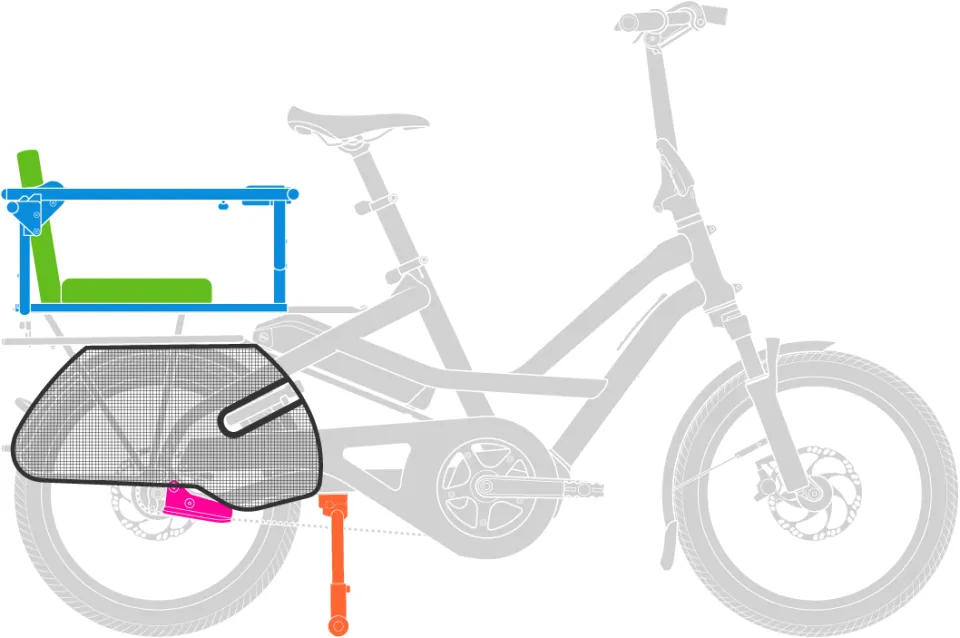
1 young kidSee the child seat manufacturer's age and weight recommendations | 1 big kidHas outgrown the child seat and can sit unaided |
|---|---|
| 
|
*Child seats should always include the required elements for safe passenger carrying: seating, safety harness, foot support, and foot and leg protection. |
|
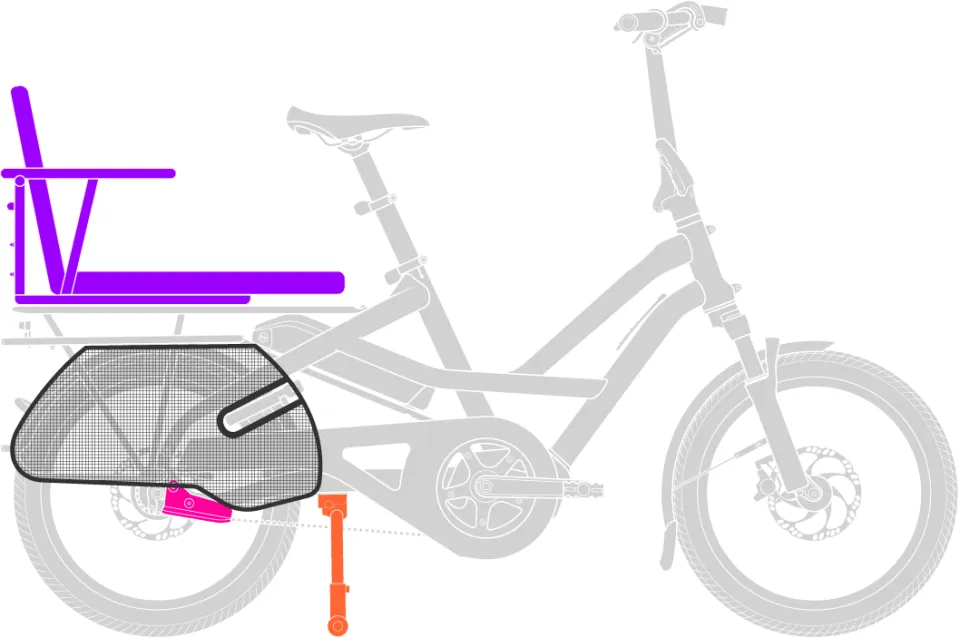
1 older kid or 1 adult≥ 36 kg (79 lb) | 1 adultUp to 75 kg (Up to 165 lb) |
|---|---|
| 
|
|
|
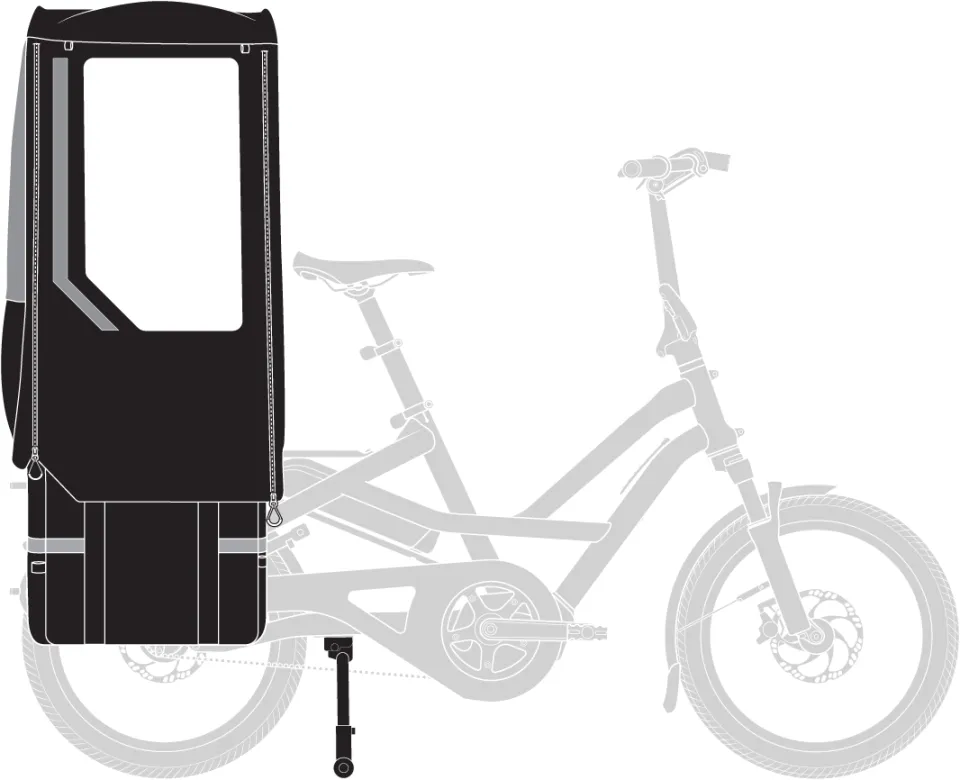
All-weather riding
The Clubhouse Fort Mini is a great solution for carrying one kid in all kinds of weather, either in or out of a child seat. The Clubhouse Mini serves as the basis of the Clubhouse Fort Mini, and the accessories needed to complete the setup depend on whether you’re using the Clubhouse Mini Gen 1 or Gen 2:
Clubhouse Mini Gen 1With fixed rails and rear bar 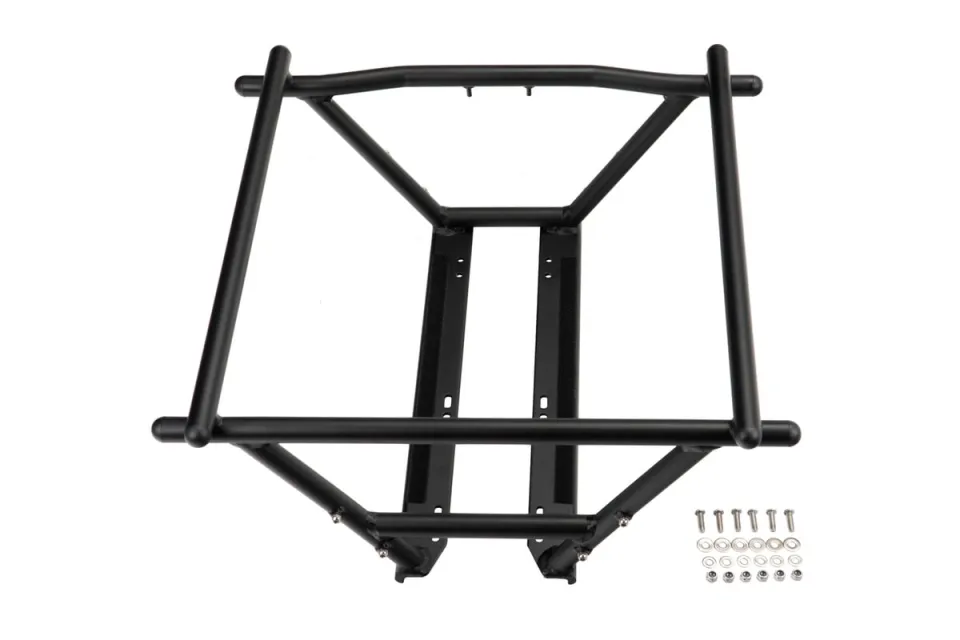
| Clubhouse Mini Gen 2With opening side rail and swappable rear bar 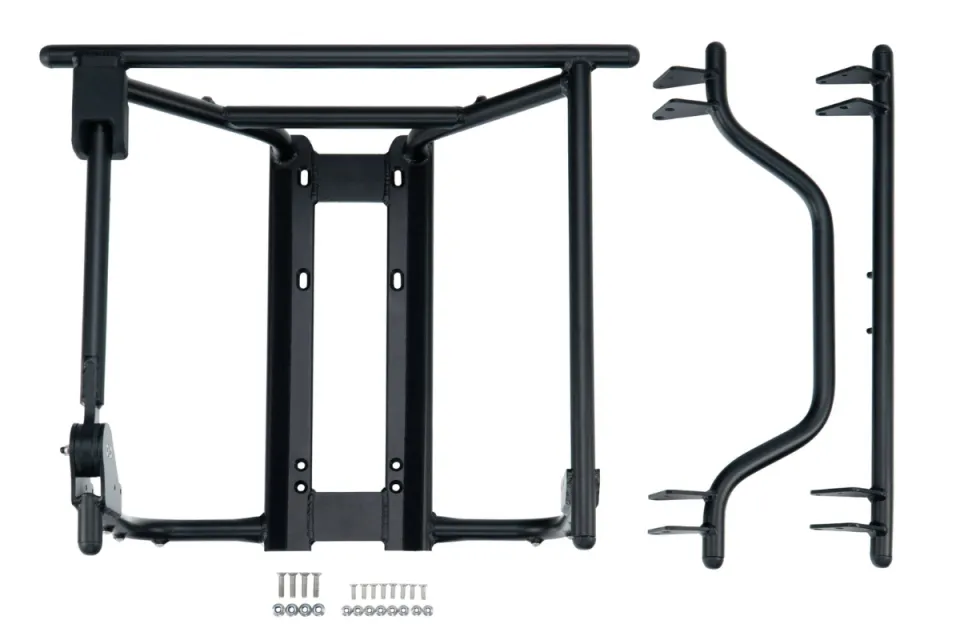
|
|---|---|
|
Note
Children can vary widely in maturity and physical development. These passenger weight guidelines represent our recommendations, and you should adapt them as needed for the safety of your child. Please ensure your passenger setup is within the weight limits described below. As always, please follow local regulations regarding passengers and safety equipment.
Learn more: Clubhouse Fort Mini: All-Weather Kid Carrier for Compact Tern Cargo Bikes
Pet passengers
For many of us, dogs are family too. If you’re looking for a more comfortable and secure way to bring your furry best friend along for the ride, we recommend the following setups:
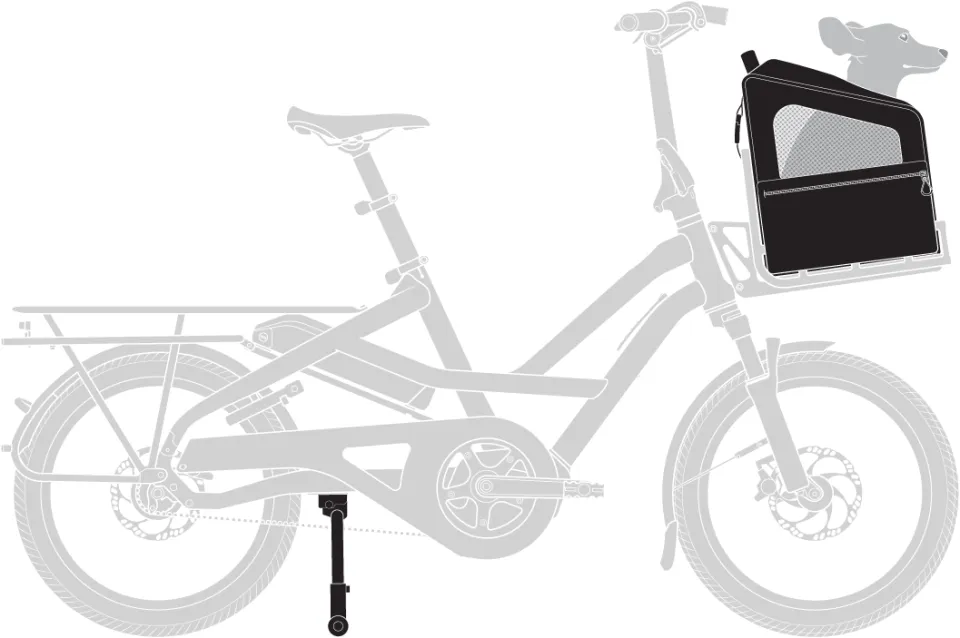
Doghouse MiniRear pet carrier for small to medium-size dogs, up to 13.5 kg (30 lb) | RuffHouseFront pet carrier for small dogs up to 7 kg (15 lb) |
|---|---|
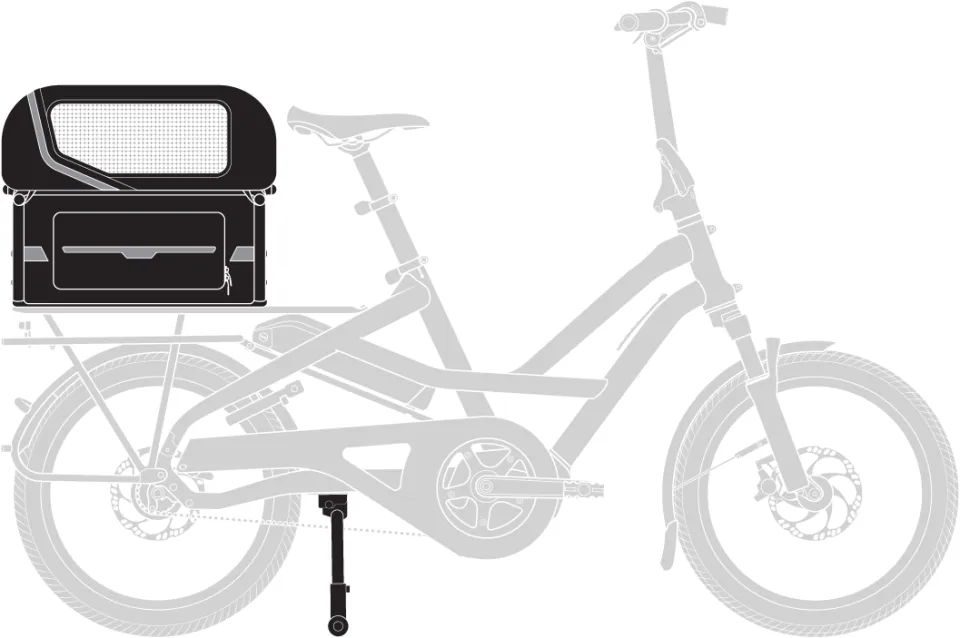
| 
|
Required accessories: | Required accessories: |
What is Max Gross Vehicle Weight?
The MGVW is the maximum weight that a bike has been designed to carry safely.
This means the weight of the Bicycle1 + Accessories + Rider(s)2 + Cargo + Trailer3 must be less than the MGVW for safe riding.

- Bicycle = Refers to the weight of the bike plus battery.
- Rider(s) = Refers to the weight of the cyclist and any passengers.
- Trailer = Refers to the weight of the trailer with no braking system AND the weight of any cargo or passenger(s) on the trailer. Trailers with a braking system should NOT be included in the MGVW calculation.
How much passenger weight can I carry on the HSD Gen 3?
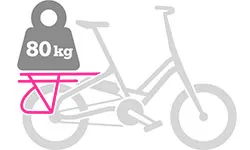
Step 1: Make sure that the rear rack load (passenger + accessory + cargo) is under 80 kg (176 lb).
Step 2: HSD passenger weight < 190 kg (419 lb) - Bicycle* - Accessories - Rider - Cargo - Trailer

HSD riders have to do two calculations.
- The HSD has an MGVW of 190 kg (419 lb), but its Atlas H rear rack is rated to carry loads of 80 kg (176 lb). As the rear rack has a separate load limit, first ensure that everything carried on it is under 80 kg.
Also, make sure the total weight of the passenger + rider + HSD + any installed accessories + cargo + trailer is less than 190 kg. - If you are towing a trailer with your HSD, don’t forget to also subtract the weight of the trailer and any cargo or passenger(s) on the trailer. Please note that trailers with an independent braking system should not be included in the MGVW calculation.
*Bicycle = weight of the bike plus batteries
Some friendly reminders
- Most riders can comfortably carry 80% of their body weight. If you’re not used to carrying passengers or cargo, we recommend you practice in a quiet area and gradually carry more as you become more comfortable. Check out our HSD Gen 3 Cargo Guide for more advice.
- Please check your local cycling regulations to make sure carrying passengers on a bike is legal in your area.
- Helmets are cool. Both rider and passenger are advised to wear an approved helmet.
- Do not leave children unattended on the bike, even if it is on the kickstand.
- こちらの記事は海外向けとなります。日本国内においては安全基準上推奨いたしません。(The contents of this article are not recommended for the Japanese market.)
Related Articles
More info is coming