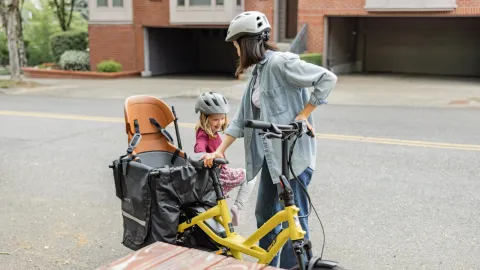
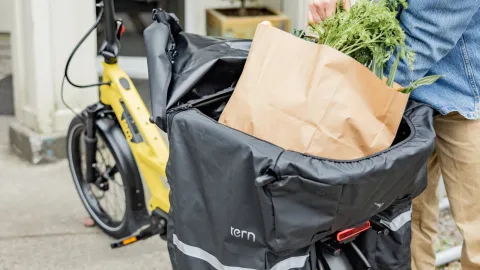
Shopping for an e-bike is an exciting step toward a greener, more efficient way to get around, but with prices ranging from under $1,000 to well over $10,000, figuring out how much to spend can be confusing. It’s no surprise many riders ask the same question: how much does a good electric bike really cost?
Many buyer guides try to answer that by comparing headline specs like motor power or battery size. Those numbers matter, but they don’t tell the whole story. How you plan to use the bike also matters, because an e-bike solely used for tooling around the neighborhood has very different budget requirements than one meant to replace car trips for commuting, school runs, or hauling heavy cargo.
But more importantly, we first begin by defining what makes for a good e-bike. For us, “good” is all about trust: trusting the bike to stop safely when riding, charge safely at home, and protect you and any passengers when you rely on it every day. Any discussion about which components and features to look for in an ebike starts with getting the fundamentals of safety and reliability in place.
Learn more: Are ebikes safe?
Defining a good e-bike
- Electrical safety: A non-negotiable baseline
- Component quality: Where “nice to have” becomes “must have”
- Frame and fork testing: Trust under load
- Access to local service: Staying safe and reliable over time
Budgeting for a good e-bike
- Under $1,500: Entry-level e-bikes
- $1,500–$2,500: Budget e-bikes
- $2,500–$4,000: Mid-range e-bikes
- $4,000–$7,000: Higher-end e-bikes
- $7,000 and up: Premium and niche e-bikes
- Conclusion
Electrical safety: A non-negotiable baseline
Electrical safety is essential for e-bikes because the lithium-ion battery they run on stores a large amount of energy. A failure in the battery or electrical system can have serious thermal consequences, especially when bikes are charged and stored indoors.
In Europe, this risk is addressed at a regulatory level: all e-bikes must be tested and certified to EN 15194, which includes testing for electrical and thermal safety. In the United States, however, national requirements are minimal.
This is where optional, independent electrical certification becomes essential. Standards such as UL 2271 evaluate the safety of the battery itself, while UL 2849 goes further by testing the entire electrical system, including the battery, charger, wiring, connectors, and controls under real-world conditions. Certification from organizations like Underwriters Laboratories (UL) provides assurance that the system has been designed and tested to reduce the risk of electrical and thermal failures.
You might want to know: The Truth About UL Certified E-Bikes
Any e-bike that hasn’t been third-party tested for electrical safety can’t be considered safe, let alone good. Electrical safety should be a non-negotiable requirement when choosing an e-bike.
For a complete breakdown, check out our full guide on e-bike safety standards and certifications.

UL 2849 safety standard is the gold standard for e-bike battery systems
Component quality: Where “nice to have” becomes “must have”
Many aspects of e-bike quality come down to feel and experience, and reasonable people can disagree on which higher-end components are worth paying for. But brakes are not one of those areas. A good e-bike needs hydraulic disc brakes. Full stop.
E-bikes are heavier and faster than traditional bikes, and they place far greater demands on the braking system, especially when riding in traffic, descending hills, or when carrying cargo or passengers. Hydraulic disc brakes deliver stronger, more consistent stopping power with less hand effort, and they maintain predictable performance under load and in poor conditions, exactly when braking matters most.
Many lower-cost e-bikes advertise “disc brakes,” but often these are mechanical systems. Mechanical disc brakes rely on cables that stretch and require frequent adjustment, offering less consistent stopping power as loads increase. On a heavy e-bike, those compromises translate into longer stopping distances and reduced control, particularly in emergency situations.
For an e-bike to be considered good, hydraulic disc brakes aren’t a premium feature; they’re a safety baseline.
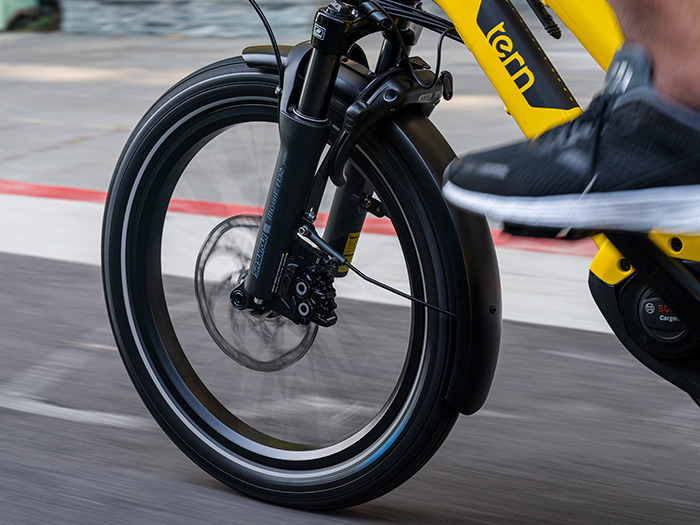
Electric bikes need hydraulic disc brakes
Frame and fork testing: Trust under load
Beyond electrical safety and braking, a good e-bike must be structurally sound. Compared to traditional bicycles, e-bikes place higher demands on frames and forks due to added weight, higher speeds, and the torque produced by the motor. Those forces increase further when carrying cargo or passengers, making structural testing critical to long-term safety and ride quality.
In Europe, this risk is addressed through a preventative regulatory framework. E-bikes must comply with EN 15194 before being sold, which includes baseline structural testing requirements. Manufacturers are responsible for demonstrating that a bike meets defined safety standards through testing and certification before it reaches consumers.
In the United States, the system is largely reactive. There are few national requirements for structural testing prior to sale, and oversight is typically handled by the Consumer Product Safety Commission (CPSC) after products are already on the market and problems have been reported. This approach allows bikes to reach consumers without independent verification that frames and forks can withstand real-world stresses, shifting much of the risk from manufacturers to riders.
That gap is where voluntary, third-party standards such as ISO 4210 become important. ISO 4210 defines rigorous testing for bicycle frames, forks, and critical components, including fatigue, impact, and load testing. Bikes tested to ISO 4210 provide greater confidence that structural limits are based on measured performance, not just stated numbers.
As e-bikes become more specialized, testing becomes more specific as well. Bikes designed to carry heavy cargo or passengers face very different stresses than standard commuter bikes. Cargo bike–specific standards such as DIN 79010 and EN 17860 use testing protocols tailored to higher loads, stronger braking demands, and repeated use under weight. For riders choosing bikes intended for carrying kids, heavy gear, or equipment, certification to a cargo-specific standard offers added confidence that the bike is built for the job it’s meant to do.
Learn more: What Do e-Bike Certifications Mean and Why Do They Matter?
Access to local service: Staying safe and reliable over time
A good e-bike doesn’t just start out safe; it remains safe and reliable as the miles add up. What that looks like can vary depending on the rider.
Most e-bike owners don’t have the expertise, tools, or access to diagnose complex problems or source the parts needed to fix them. Adding the challenge of safely maintaining an electric drive system only raises the bar. For riders who buy direct-to-consumer, long-term safety therefore depends on having access to local service, a shop willing and able to work on the bike, and reliable availability of replacement parts.
For riders who buy through a local bike shop, long-term reliability is built into the ownership experience. Professional assembly, ongoing service, and expert support help keep the bike safe and dependable as it ages.
Long-term parts availability matters just as much. A good e-bike should last five to ten years or more, which means critical components, especially items like the battery, need to remain available well beyond the initial purchase.
However you ride, the takeaway is the same: a good e-bike is one you can keep properly supported, so it stays safe, reliable, and enjoyable year after year.
Tern’s 7-Year support commitment
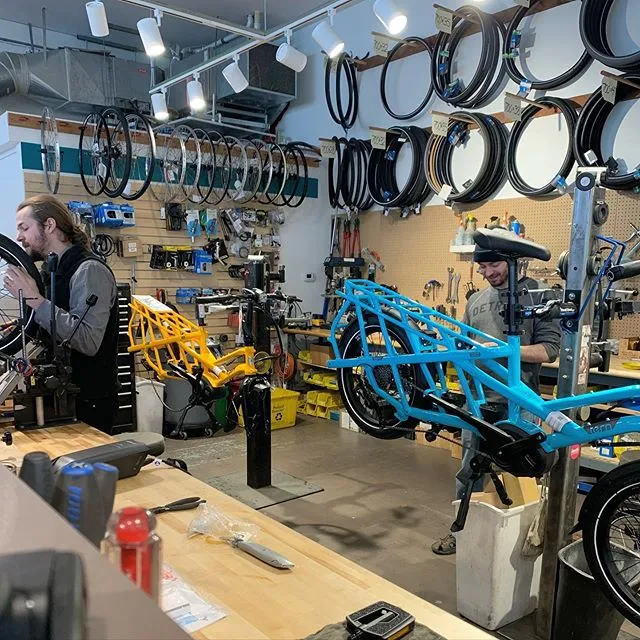
Aaron (left) and Mark (right), Clever Cycles (Photo credits: @clevercycles | Instagram)
Budgeting for a good electric ebike
Once you define what a good e-bike actually is, it becomes clear that “good” adds cost. Higher-quality components, the engineering required to pass electrical safety and durability testing, and the expense of third-party certification all factor into the final price. These aren’t cosmetic upgrades; they’re investments in safety, reliability, and long-term use.
Costs don’t stop rising once those fundamentals are met. Beyond the baseline of being good, additional expense is driven by refinement and purpose. Bikes designed for daily commuting, replacing car trips, carrying passengers, or hauling heavy cargo require stronger frames, more extensive testing, and components built to handle sustained loads. Choices like more efficient motor systems, lower-maintenance drivetrains, larger or better-integrated batteries, and components designed for long service life all add complexity, and cost.
With that context in mind, the rest of this article breaks down the major price ranges, examining whether it’s realistically possible to get a good e-bike at each level, and what compromises, if any, come with the territory.
$1,500 and under: Entry-level ebikes
At this price point, the market is dominated by lower-cost direct-to-consumer white-label brands, mass-market offerings from big-box retailers, and factory-direct imports. These bikes are designed first and foremost to hit a price target, often by limiting safety testing, using lower-cost components, and offering little to no post-purchase support.
Functionally, bikes in this category are intended for occasional, low-demand use. Component quality is basic, with entry-level drivetrains and minimal ride refinement. Power delivery can feel abrupt, handling is often compromised by flexible frames, and braking systems are frequently mechanical rather than hydraulic. They may work for short, flat rides, but they are not designed for sustained daily use, heavy loads, or demanding conditions.
But most importantly, electrical certification is often incomplete or absent. These bikes almost always fall short of the baseline we’ve defined for a safe e-bike. Beyond that, frames and forks are rarely tested, and serviceability is often limited, with many local bike shops unwilling or unable to work on bikes they didn’t sell or can’t reliably support with parts.
That doesn’t mean this segment has no audience; it appeals to buyers who are primarily focused on upfront costs and willing to accept the risks and limitations involved. But those risks are real, so buyer beware. Beyond obvious safety compromises, risks can include recalls, brand instability, and long-term parts availability issues, shifting cost and uncertainty to the owner from the moment after purchase.
Bottom line: An e-bike under $1,500 may look like a bargain, but it almost always trades short-term savings for an immediate risk in reliability, ride quality, support, and most importantly, safety.
Learn more: Pros and Cons of Buying an E-Bike Online
$1,500–$2,500: Budget e-bikes
This is where many major direct-to-consumer (DTC) e-bike brands land, offering a noticeable step up from entry-level models in components and overall finish. For value-focused buyers, this segment can look appealing: ride quality improves, and some models begin to offer features like hydraulic disc brakes.
Functionally, bikes in this range can handle more regular use, including commuting, moderate hills, and longer rides, within limits. Most models rely on hub motors to keep costs down. These can work well on flatter terrain, but power delivery is often less refined, and the added stress on wheels and spokes can affect durability. At the upper end of the range, a small number of bikes begin to offer mid-drive motors, which deliver smoother power, better efficiency, and improved hill climbing, but require stronger drivetrains and tighter engineering, one reason they remain uncommon at this price point.
Where costs are most often managed in this category is testing. Many bikes still don't provide third-party testing, while others meet minimum expectations by certifying the battery to UL 2271, but the complete electrical system is often not tested to UL 2849.
Structurally, regulations often require only that a maximum weight limit be stated, not independently verified. So in-house testing is often used, which often doesn’t match the rigor or objectivity of third-party testing. This often results in weaker frame designs that affect ride quality, with some bikes feeling flexy or vague under heavier loads or when cornering.
Service is the final wildcard. DTC bikes require maintenance, and relying on online support alone is rarely a good long-term solution. Before buying, it’s critical to confirm access to a local service partner willing and able to work on the bike. Without that support, even minor issues can become costly and frustrating.
Bottom line: The $1,500–$2,500 range can offer better value than entry-level bikes, and good, safe e-bikes do exist, but are not a given. Success depends on testing practices, component choices, and access to reliable local service. This is a range where selectivity matters.
$2,500–$4,000: Mid-range ebikes
This is the price range where the idea of a good e-bike starts to come together for many riders. Bikes in this category strike a strong balance between cost, capability, and long-term usability. While some direct-to-consumer options still exist, many models are sold through local bike shops, which changes the ownership experience in important ways.
Mid-drive motors become more common in this range, delivering smoother power, better efficiency, and improved hill climbing compared to entry-level systems. Component quality takes a meaningful step forward as well, with hydraulic disc brakes, along with more refined drivetrains and improved components. These upgrades directly affect safety, comfort, and ride quality.
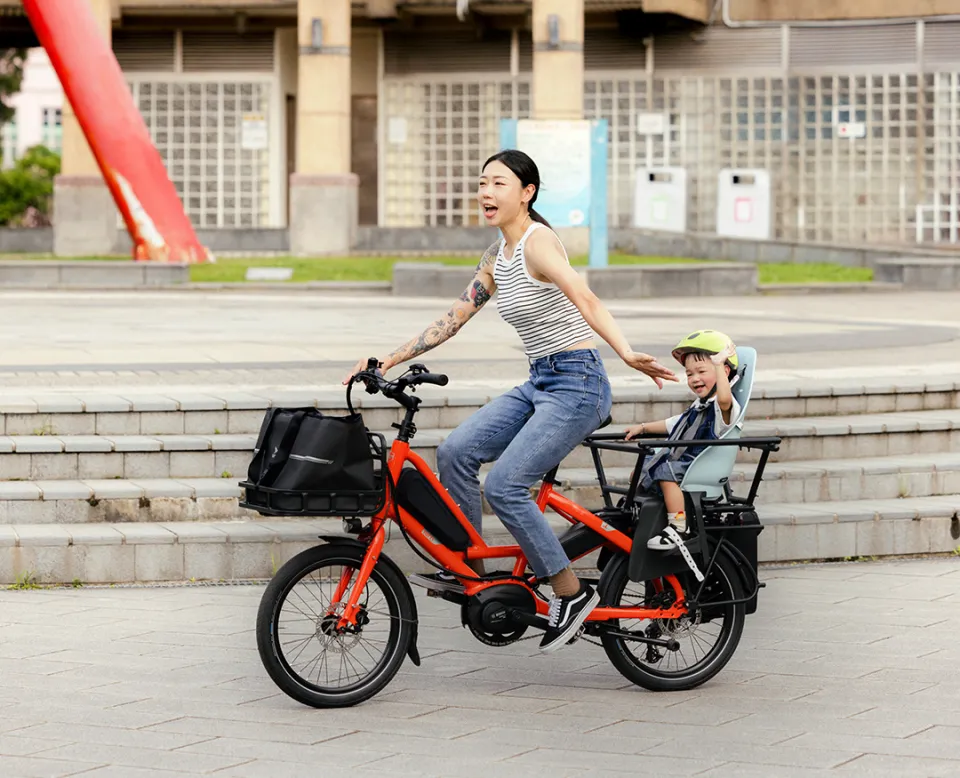
Tern Quick Haul, a Bosch-powered mid-drive electric cargo bike can be found for less than $3,000.
Functionally, bikes in this category are well-suited for daily commuting, errands, and light cargo hauling. For families, this is often the first price tier where stability and handling begin to feel appropriate for carrying kids or gear, provided the bike’s load limits are backed by proper testing. Buyers should still be cautious of models that claim high capacity without third-party verification or lack certified electrical safety testing.
Purchased through a bike shop, these bikes benefit from professional assembly, test rides, and ongoing service support. Over time, that access to maintenance and expertise can be the difference between a bike that’s occasionally used and one that becomes a reliable part of daily life.
Bottom line: In the $2,500–$4,000 range, good e-bikes become far easier to find, with safer braking, improved ride quality, and often the support needed to keep them reliable over the long term.
$4,000–$7,000: Higher-end ebikes
This is the price range where most of the discussed compromises largely disappear. E-bikes here move beyond being simply good and become genuinely capable, designed to handle daily responsibility rather than occasional use. You’ll find higher-end commuter bikes and family cargo bikes built to carry kids or adults with confidence, not caution.
At this level, systems are chosen for durability and long-term use, not just cost. Purpose-built drivetrain solutions such as belt drives paired with higher-end internal gear hubs become common, reducing maintenance and standing up to higher torque and daily mileage. Mid-drive motors are the norm, delivering smooth, efficient assistance that feels natural on hills and at speed.
Frames are stiffer and more carefully engineered, which shows up immediately in handling. Under load, whether carrying passengers, groceries, or gear, these bikes feel composed and predictable rather than flexy or stressed. Comfort improves as well, with features like suspension forks or suspension seatposts helping smooth rough roads and make longer rides easier to deal with.
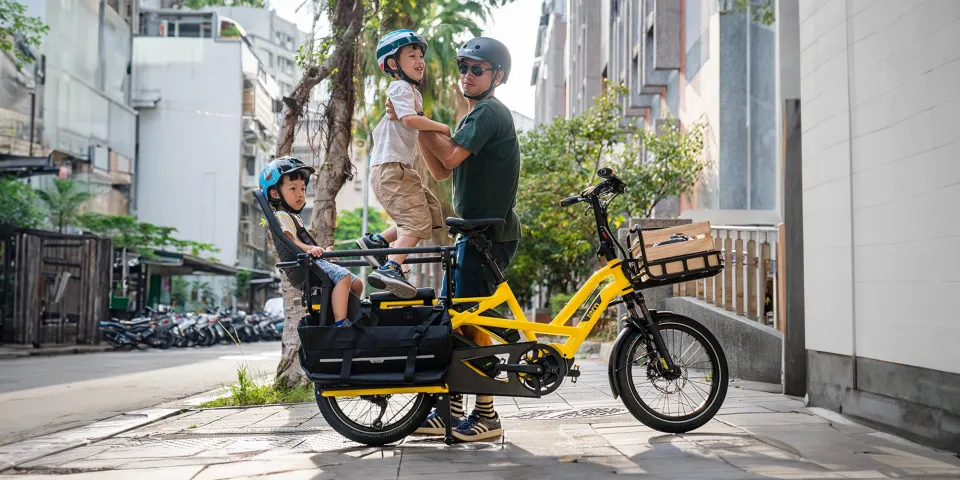
Tern GSD, an electric cargo bike in this range that includes a powerful motor, room for two kids or an adult passenger, and a burly kickstand.
Safety expectations rise alongside capability. Bikes in this range are typically third-party tested to verify that their frames, components, and electrical systems can handle powerful motors and heavier loads. For models intended for serious hauling, certifications such as DIN 79010 or EN 17860 signal that the bike is built and tested for the job, not just labeled for it.
Ownership also looks different here. These bikes are most often purchased through local bike shops, where professional assembly, proper setup, and ongoing service are part of the ownership experience. For riders relying on an e-bike as daily transportation or a car replacement, that support isn’t optional; it’s part of the value.
Bottom line: In the $4,000–$7,000 range, e-bikes stop asking you to manage compromises and start delivering confidence. They’re capable enough to handle daily responsibilities, carry real loads, and replace car trips reliably and safely.
Read more: The importance of local bike shops
$7,000 and above: Premium and Niche ebikes
E-bikes in this category almost always clear the baseline for being good: they are safe, durable, and reliable. What drives the higher price isn’t basic quality, but a combination of uncompromising execution and specialization.
Premium models build on a solid foundation with components and systems chosen for maximum longevity, refinement, and safety. Features like ABS braking, ultra-durable drivetrains, and frames engineered to remain stiff and predictable under sustained load are common. Electrical systems are fully certified, components are designed for long service intervals, and the overall experience prioritizes quiet operation, smooth power delivery, and confidence in daily use.
These bikes are typically chosen by riders who don’t want to manage trade-offs. They’re used for commuting, family transport, or replacing car trips, but executed at the highest level, with an emphasis on reliability and ownership over many years.
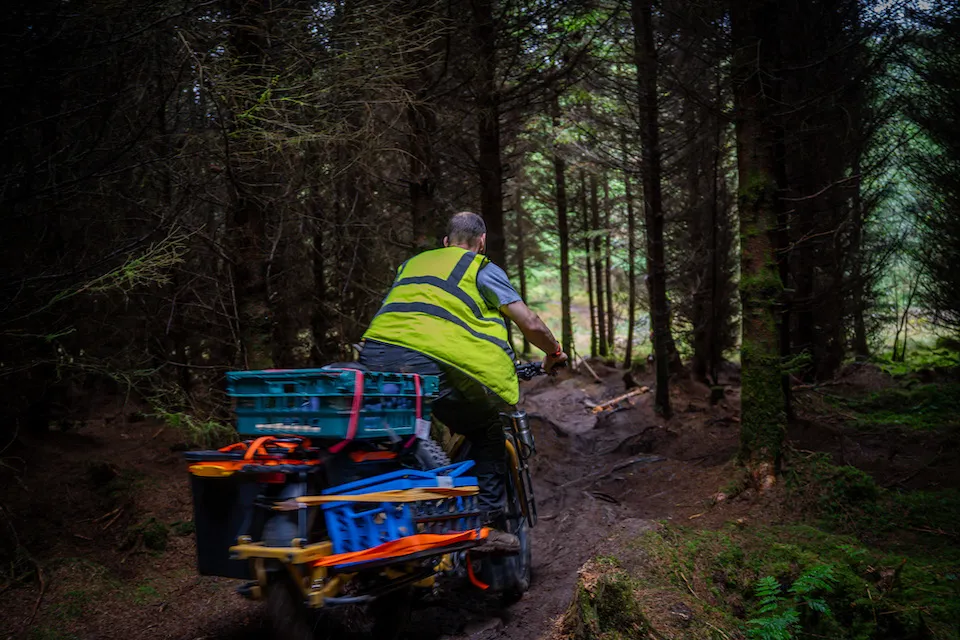
Tern Orox, a new class of adventure cargo bike for bringing heavy cargo off-road.
Niche e-bikes, by contrast, are purpose-built to solve specific problems. This includes adventure cargo bikes designed for all-season, all-terrain hauling and high-performance e-mountain bikes engineered for demanding off-road conditions. These bikes go beyond general-purpose use, often requiring unique designs, specialized components, and additional testing. While the price tag can be significant, bikes in this category can be transformative for the right rider.
Bottom line: At $7,000 and above, higher costs reflect either uncompromising refinement and long-term durability, or bikes purpose-built to meet needs that go well beyond a general-purpose e-bike.
How adventure cargo bikes can be a game-changer for trail building
Conclusion
A good e-bike is, first and foremost, a safe one, something you can trust to stop when it needs to, charge safely at home, and remain reliable as the miles add up. That trust doesn’t come from headline specs alone; it comes from tested electrical systems, proven frames, capable components, and access to service over time.
As this guide shows, you generally get what you pay for. Lower-priced bikes may look attractive upfront, but often shift cost and risk into the long term through compromises in safety, durability, ride quality, and support. As budgets increase, those compromises fall away, replaced by bikes designed and tested for real-world use.
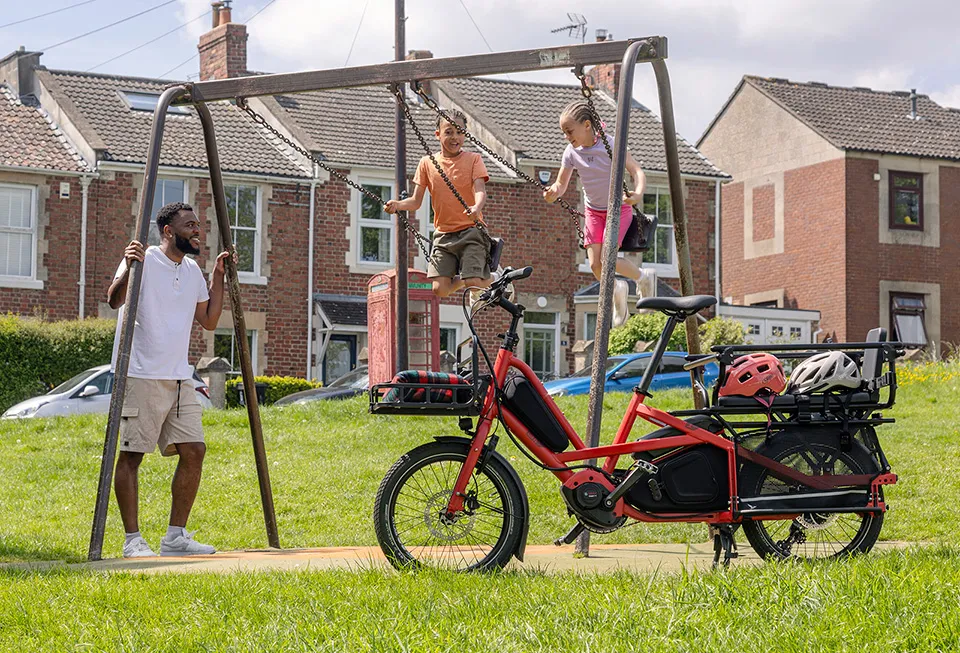
Your choice of e-bike or e-cargo bike should fit your lifestyle. Tern Quick Haul Long pictured, a cargo bike targeted to families.
The right budget isn’t about buying the most expensive e-bike you can afford. It’s about understanding what makes an e-bike genuinely good, and choosing the price range where safety, reliability, and function align with how you plan to use it. Once you know what “good” really means, the budget question becomes much clearer.
More reading: How long does an e-bike last?
Related Articles