Getting to work or school shouldn’t drain your time, energy, or paycheck. Yet for many city commuters, that’s exactly what it does. But what if you could make your daily routine easier and more enjoyable by mixing things up?
Multimodal commuting could help you reduce your commute time and drive less. It combines car alternatives such as electric bikes and public transport to give you more freedom, save money, and reduce your carbon footprint. It’s flexible, efficient, and really simple. Read on to see how switching up your commute can improve the way you move through your day.
Contents
- What is multimodal commuting?
- Why does multimodal commuting matter?
- What are some examples of multimodal transportation?
- How do I get started?
- Summary: Why is mixed-mode commuting worth a try?
What is multimodal commuting?
Multimodal commuting—also known as mixed-mode commuting—means combining different types of transport to get from A to B. For example, you might walk to the train station, take the train into the city, and then bike the last stretch to your office.
The transport modes you choose depend on two key factors: the available infrastructure in your city and your personal needs. Let’s say you live in the suburbs and work in the city center. Driving all the way might mean getting stuck in traffic jams and paying for expensive parking. Taking the train gets you most of the way, but you still need to cover that “last mile.” That’s where a folding bike can come in handy—it fits on the train, unfolds in seconds, and helps you breeze through the final stretch.
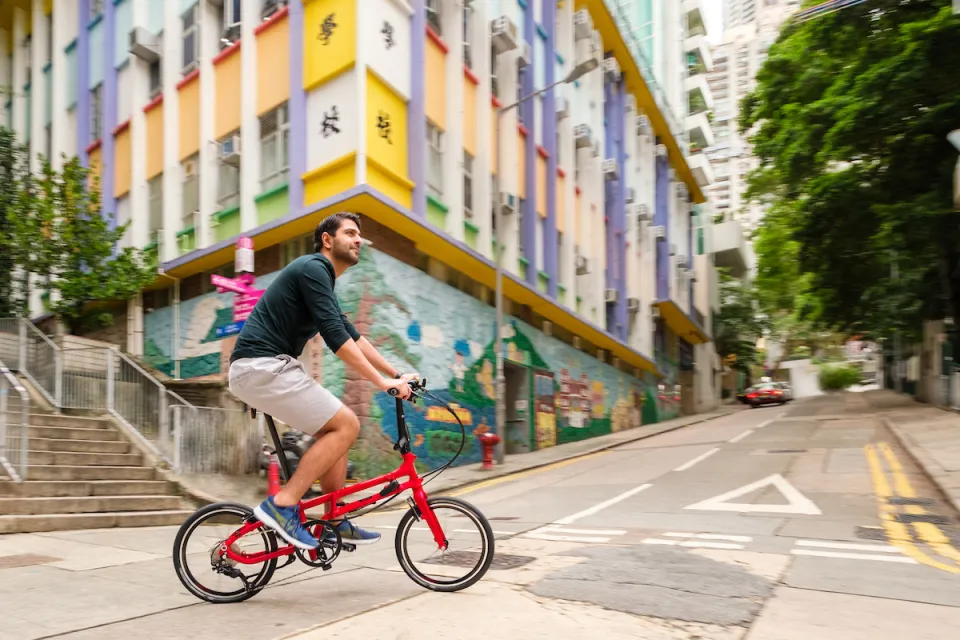
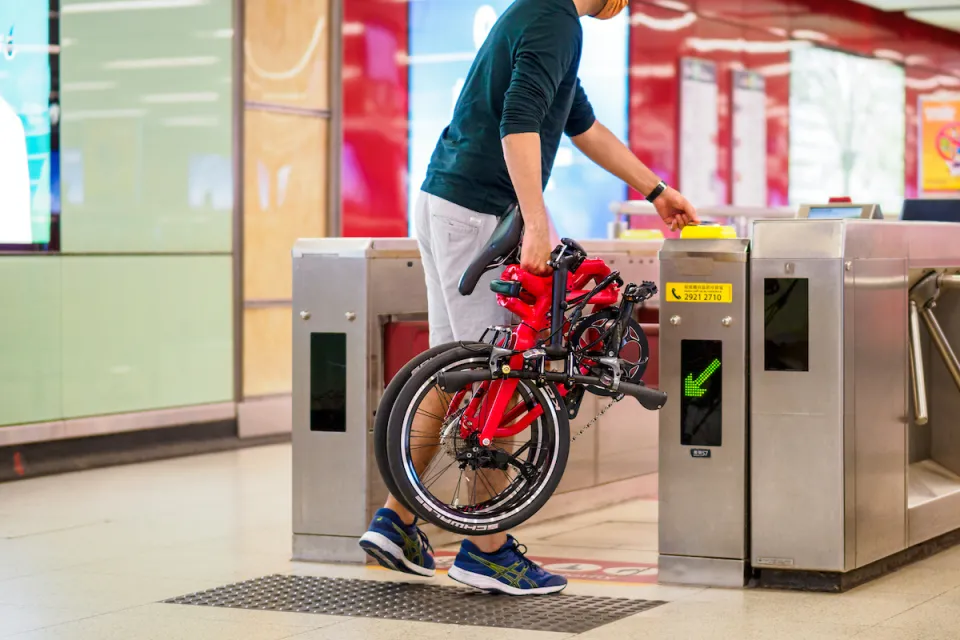
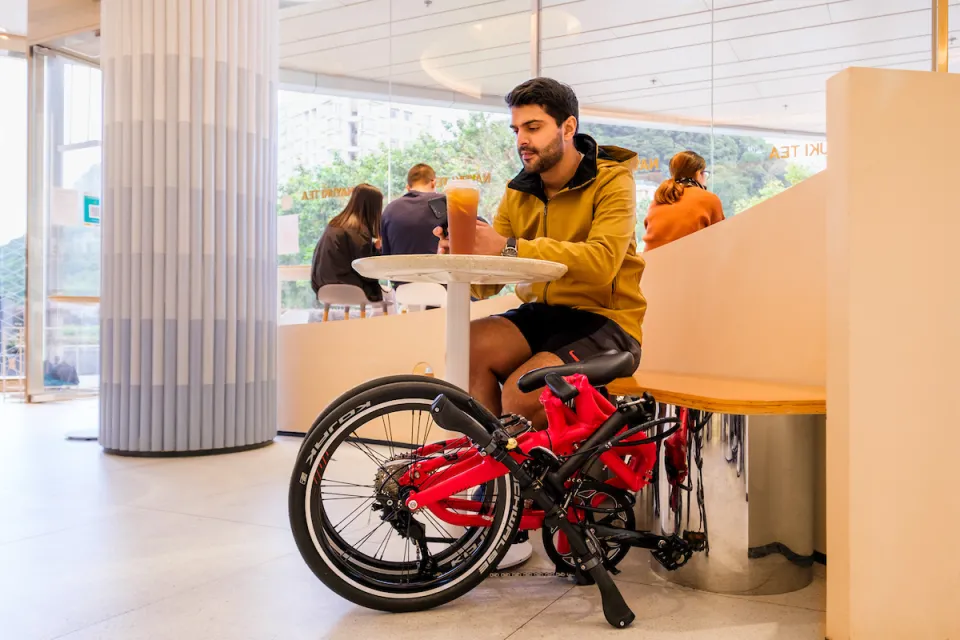
Going car-free on a mixed-mode commute is easy with a folding bike like the Tern BYB P10 —ride, hop on the train, and roll straight into the office
By combining different modes, you can just commute without a car altogether—avoid bottlenecks, save on vehicle maintenance costs, and reduce your carbon footprint.
Why does multimodal commuting matter?
Multimodal transportation offers a range of benefits that can improve your daily routine and overall lifestyle. Here's why it's worth considering:
- Flexibility: Multimodal transportation lets you adjust your route based on changing schedules, traffic, or weather conditions. With multiple transport options available, you can choose what works best for each day.
- Efficiency: By mixing modes of transport, you can avoid congestion, shorten travel times, and take advantage of the fastest routes available.
- Cost Savings: Using alternatives to driving, like riding an e-bike, can significantly reduce vehicle costs, such as fuel, parking fees, and maintenance.
- Sustainability: Choosing car alternatives such as public transport, cycling, or walking over driving lowers your carbon emissions. Electric bicycles can be a good long-term solution to help you reduce your car use.
- Health Benefits: Incorporating walking or cycling into your commute or completely going car-free adds physical activity to your day, supporting better health and well-being.
What are some examples of multimodal transportation?
Folding Bike + Bus, Train, or Subway
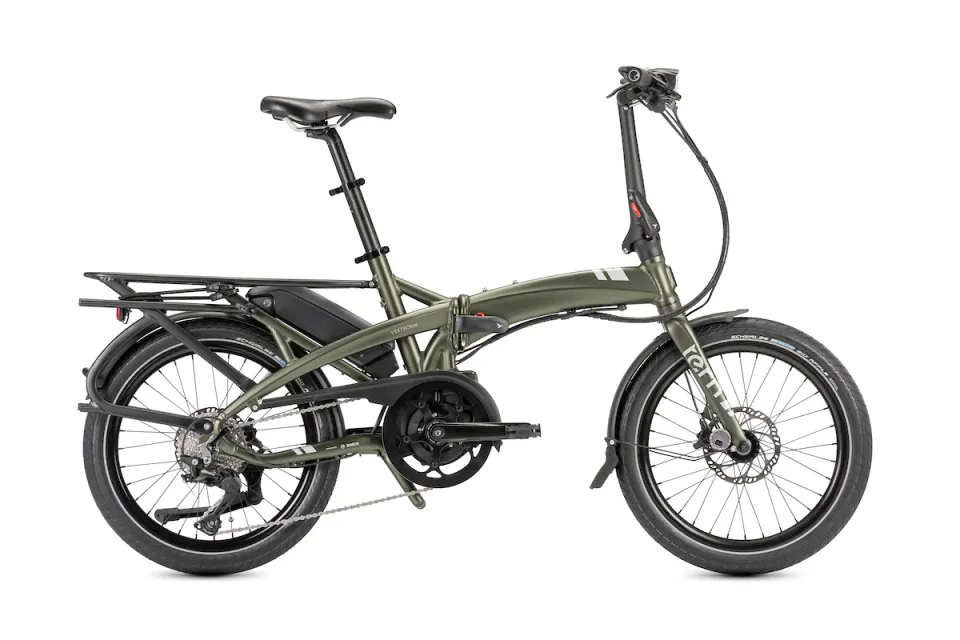
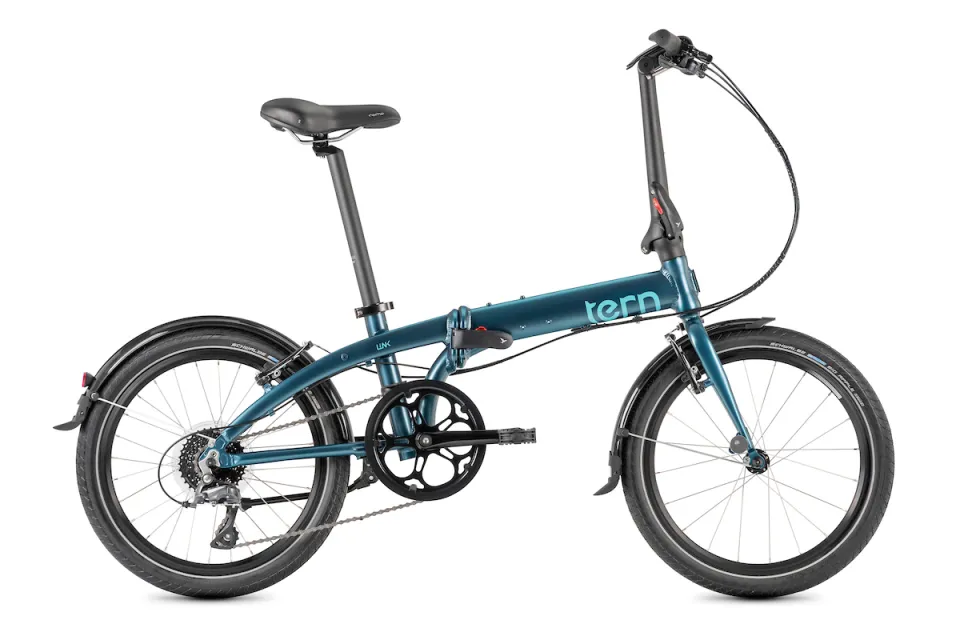
Folding bikes are ideal for city commuters who want flexibility without the hassle. Ride from home to the station, hop on public transport, then unfold your bike for the last leg of the journey. For example, Tern bicycles like the Vektron electric folding bike, Verge, or Link are easy to roll and bring aboard trains or subways—and they can fit under your desk once you arrive.

Renting a Bike or Scooter + Walking
Another common type of mixed-mode commuting involves walking to the nearest bike-sharing station, riding across the city, and then walking the final stretch to your destination. In many cities around the world, bike and scooter-sharing systems are integrated into the broader public transportation network. These systems typically offer conventional bikes, e-bikes, or e-scooters at affordable rates.
Many charge a base fare for the first 30 minutes or so, after which the cost is calculated by minute, kilometer, or mile. Docking stations are usually placed near major transit hubs, commercial areas, and office buildings, making them convenient for daily commuting.
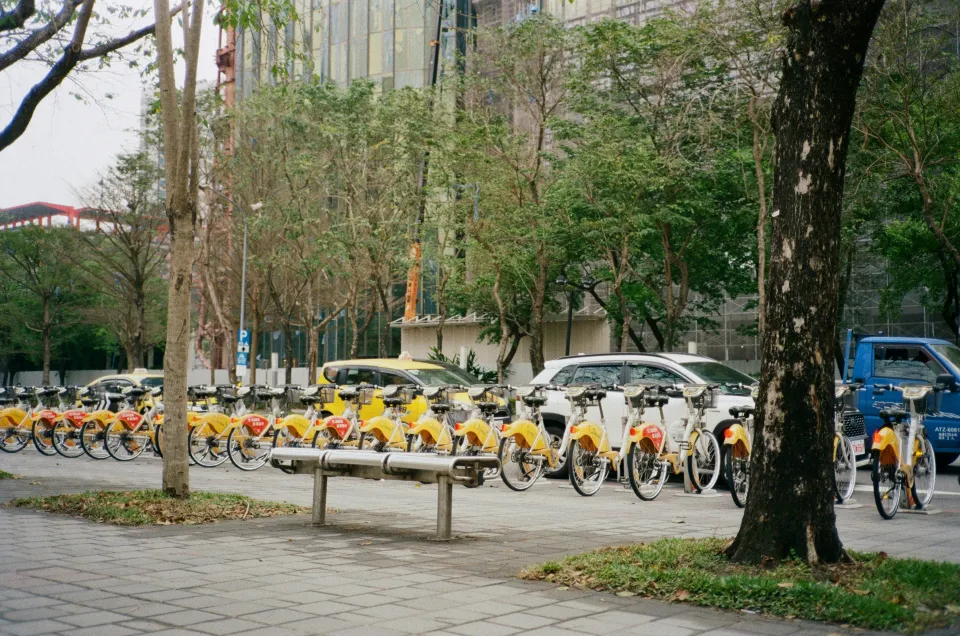
Photo by Cecelia Chang on Unsplash
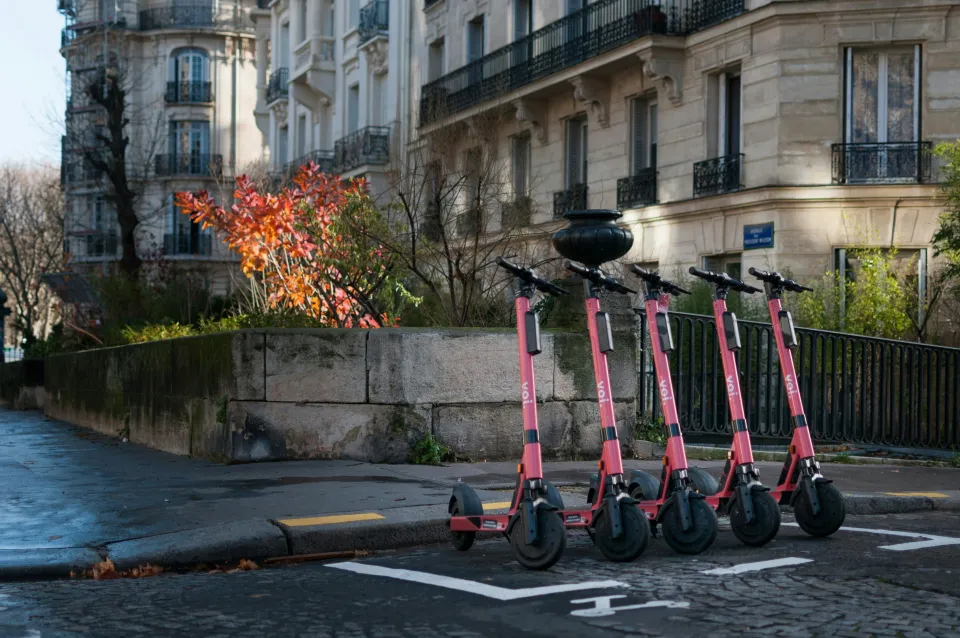
Car + Subway or Train
If you live farther out, you might want to drive to a major transit hub with secure parking, then hop on the subway or train into the city. This helps cut down on costs for things like congestion charges, fuel, and expensive city-center parking, and helps you avoid downtown traffic. With the right combination, your commute can become faster, less stressful, and better for both your wallet and the environment!
How do I get started?
- Plan your route carefully. Consider not only routes with the fastest travel time, but also bike-friendly paths if you’re biking.
- Check with your local transportation provider if they allow bikes or ebikes on the train/subway/bus, and make sure to know if there are any size or time restrictions (like bringing the bike during rush hour).
- Choose gear and accessories that support your lifestyle. For example, you could pick a folding bike with a rack to carry your work bag, weatherproof gear for rainy days, and don’t forget a sturdy lock if you can’t take your bike inside your office.
- Start small. You can try it out for one or two days per week to see what works best. Once you’ve found your ideal route, why not do it more often?
Summary: Why is mixed-mode commuting worth a try?
Mixed-mode commuting offers a practical, green, and varied way to get from A to B. By mixing transport modes, you can create a commute that fits your lifestyle, saves time, reduces costs, and lowers your environmental impact.
Instead of relying on just one mode of transport, multimodal commuting gives you the flexibility to adapt to traffic, weather, or schedule changes. Apart from being a more sustainable way to travel, it can also lead you to cool spots around town, or help you see familiar streets in a whole new light!
So, with thoughtful planning and the right gear, even small changes to your daily routine can lead to a faster, healthier, and less stressful commute. Choosing a multimodal approach isn’t just better for your wallet—it’s also better for your overall well-being and the world around you.
And if those folding bikes caught your eye, why not swing by your local bike shop and give them a try?