
Contents
What is a cargo e-bike?
An electric cargo bike, or cargo e-bike, is a heavy-duty bicycle equipped with an electric motor to help you carry large loads or passengers with ease. Imagine transporting work equipment, picking up groceries for the entire family, or dropping your kids off at school—all done safely, efficiently, greenly, and with a big smile. That’s what the best cargo ebike can do for you!
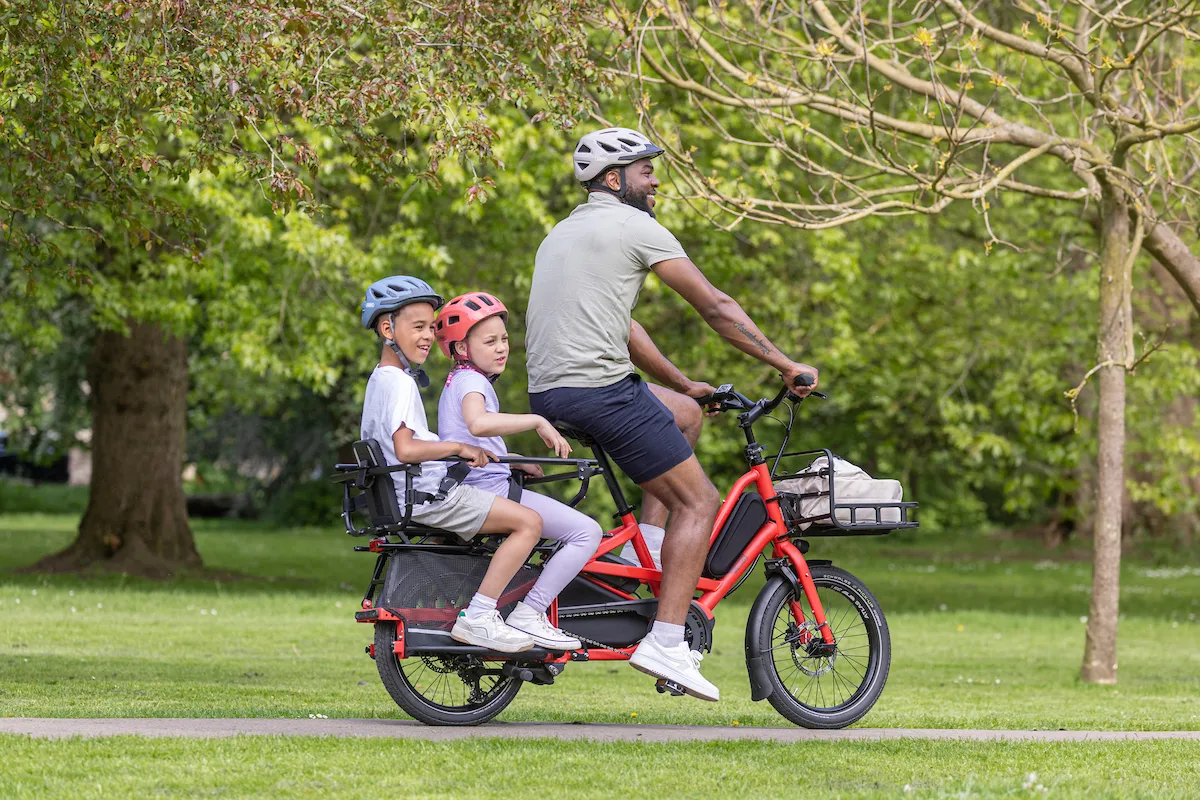
Designed with reinforced frames and forks, sturdy wheels, and specialized carriers like front and rear racks to transport everything from groceries to children, pets, or even adult passengers, cargo e-bikes are built to handle substantially more weight than your average city bicycle.
Who are cargo e-bikes for?
Cargo e-bikes are for anyone looking for a more efficient, cost and eco-friendly way to transport cargo and/or passengers. Whether you're a commuter, outdoor enthusiast, parent, or small business owner, cargo e-bikes offer a practical solution for carrying work and play gear, grocery hauls, or even transporting adults and children—all without the challenges and frustrations associated with driving. That’s right. If you like the sound of skipping rush hour traffic jams, breezing your way to the front of school pick-up lines, and never paying a dime for gas again, then cargo e-bikes are for YOU!
What are the different kinds of cargo e-bikes?
There are several kinds of cargo e-bikes, each designed to suit different needs. Here’s a quick overview of the 3 most common types you’ll see:
Front-loading cargo e-bikes
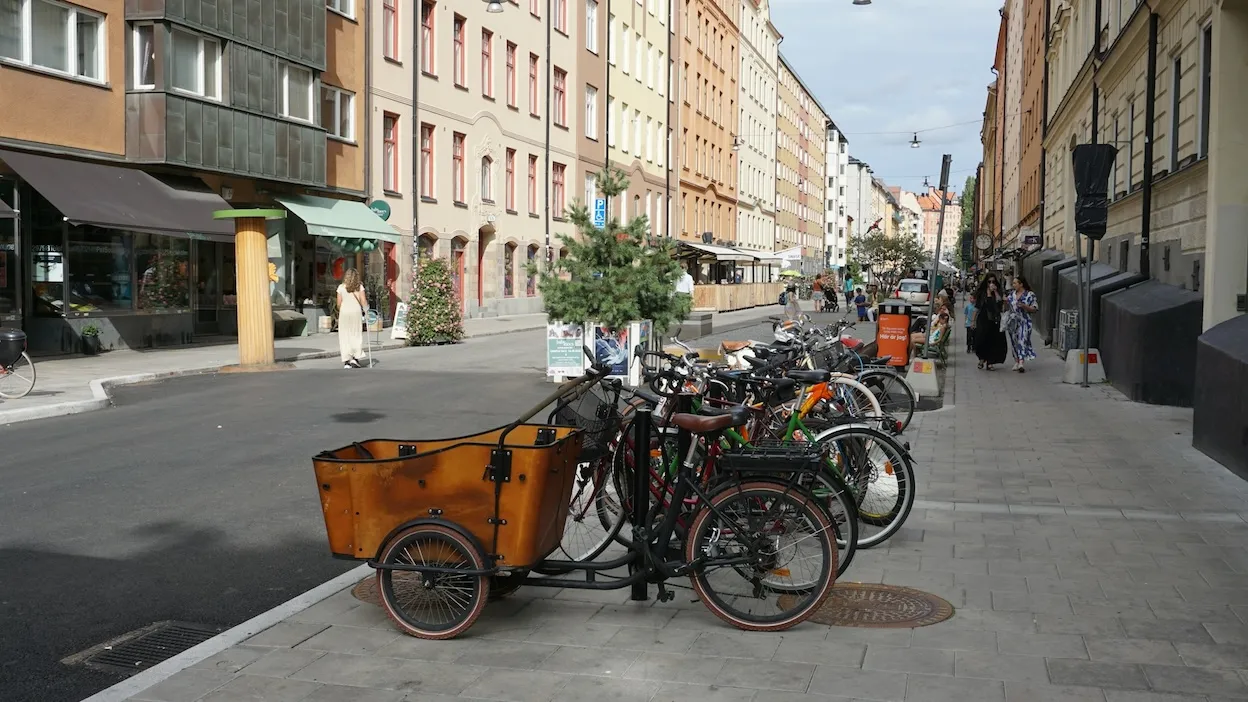
Also known as box bikes or bakfiets, these bikes feature a large cargo area at the front, often a box or platform between the handlebars and the front wheel. Front-loaders are especially great for carrying younger children and pets, as the precious cargo is visible and easily accessible to the rider. But because of their bulkier design, these bikes have a larger turning radius and aren’t as nimble when you need to dodge a sudden pothole. They are also the most space-consuming to park and store. In addition, the fixed cargo box can also limit the available space inside, making it a tighter squeeze for older kids or adult passengers.
Rear-loading cargo e-bikes
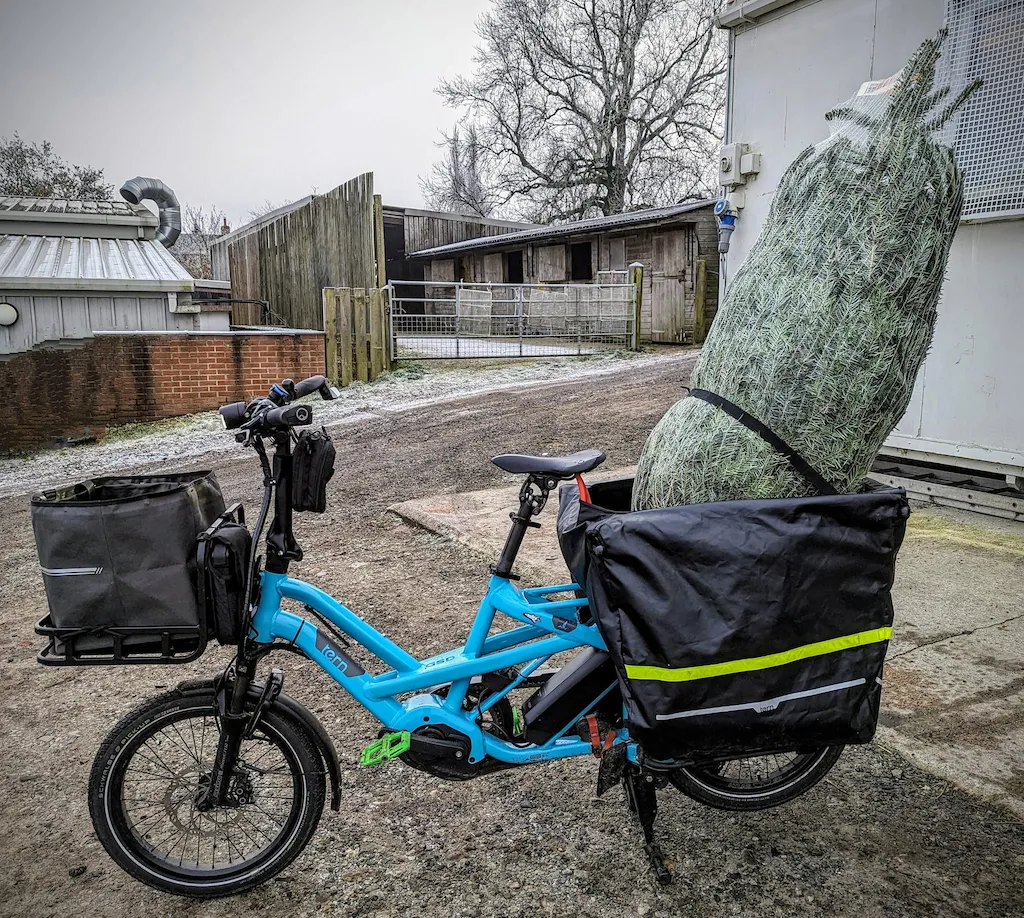
Offered in short-tail, midtail, and longtail versions that reflect the overall frame length, rear-loading cargo e-bikes position the cargo over the rear rack or just behind the rear wheel. Rear-loaders offer more flexible cargo options, especially when carrying irregularly shaped items that may not fit in a front-loader’s fixed cargo compartment. Furthermore, riders can use the rear rack, attach panniers, or install cargo boxes or passenger seats according to their specific needs. Rear-loaders also tend to be narrower than boxy front-loaders and use steering that is similar to conventional bikes, making them easier to handle and maneuver.
Compact cargo e-bikes
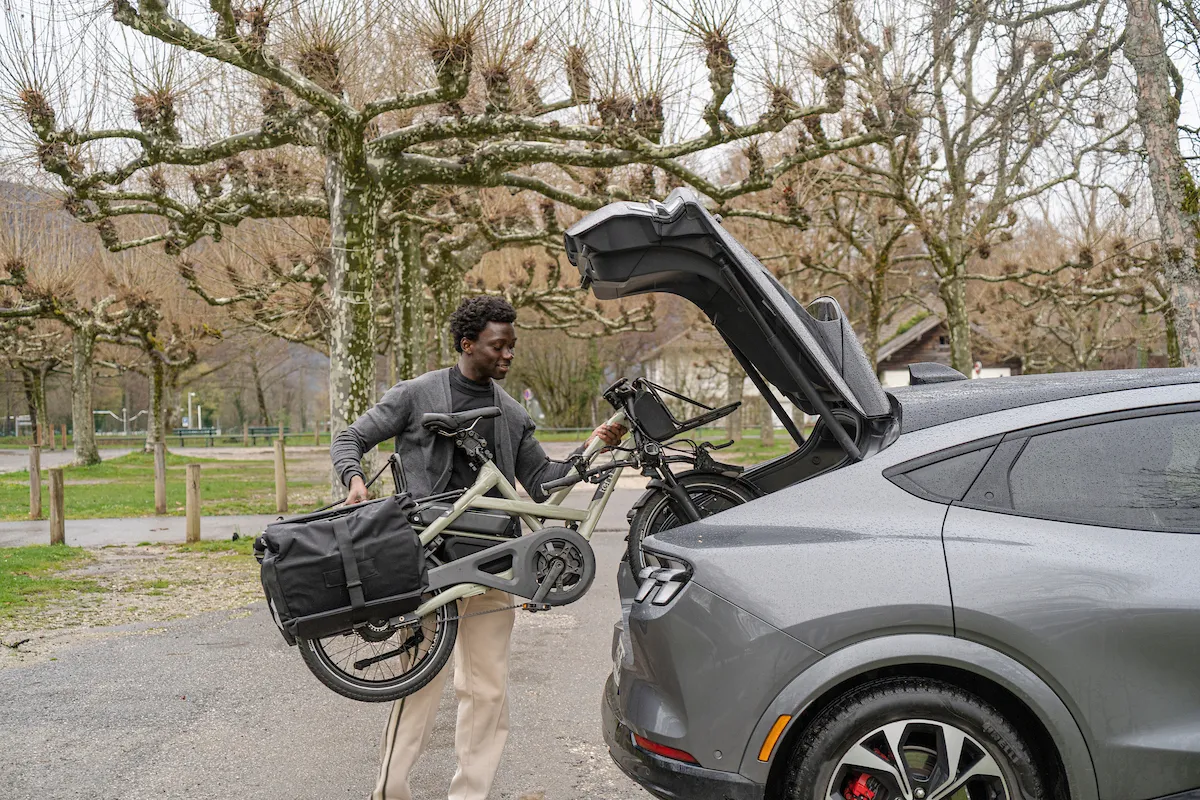
Compact cargo e-bikes are shorter or similar in length to a regular bicycle, and often come in the form of short-tail or midtail rear-loaders. Because of their compact size, these bikes are a lot more nimble than front-loaders and longtails, allowing riders to weave through city traffic and narrow streets with ease. They also fit in tighter spaces, including garden sheds, offices, apartment units, elevators, and even in car trunks—perfect for transporting and storing in limited space. Plus, despite being smaller in size, some cleverly-engineered compact cargo e-bikes such as the Tern GSD and Tern HSD can carry just as much as longtail models, providing a great balance of convenience, power, and mobility in crowded urban environments.
What types of assists are available for cargo e-bikes?
Cargo e-bikes typically come with pedal-assist or throttle-assist options to help riders manage heavy loads and challenging terrain.
Pedal-assist models (also known as pedal-electric bikes, pedelecs, or e-assist bikes) require the rider to actually pedal. That is, the motor only provides power when the rider is pedaling, and they can control how much power (assist) is delivered by the motor depending on how hard or easy they want to pedal.
On the other hand, throttle-assist models don’t require the rider to pedal at all. The rider controls the motor's power directly through a handlebar-mounted twist throttle similar to that of a motorcycle or a thumb-operated throttle lever, providing power on demand to propel the bike.
What sort of motors and power outputs are used for cargo e-bikes?
Understanding motors
Every cargo e-bike is equipped with a motor that flattens hills and makes your loads feel lighter. Most cargo e-bikes feature either:
Mid-drive motors
Positioned in the middle of the bike at the crankset, mid-drive motors offer a balanced ride by keeping the weight low and centered. They’re known for efficiency and power, making them ideal for tackling steep hills or carrying heavy loads.
Hub motors
Integrated directly into the front or rear wheel, hub motors offer a simpler design and can be more affordable. They provide consistent power and are particularly suitable for flatter urban environments.
Understanding power outputs
Cargo e-bikes come with a range of power outputs, measured in watts (W), which determine how much power the motor can consistently provide to assist the rider. The most common power outputs found on cargo e-bikes in the market are:
- 250 W: Standard for city commuting and cargo hauling.
- 500 W: Suitable for lighter commercial use, such as small deliveries or urban logistics, where moderate loads and flat terrain are the norm.
- 750 W: Ideal for heavy-duty commercial hauling.
In many parts of the world, power output is a regulated feature of electric bikes. For example, ebike laws in the UK and EU state that for an ebike to be classified as a normal pedal bike and allowable on cycling infrastructures opened to normal pedal bikes, the maximum power output of its motor cannot exceed 250 W. In the US, that limit is further increased to 750 W, although the laws also vary from state to state, and there are further restrictions and classifications of ebikes related to maximum speed. To learn more about electric bike motors and classifications, check out this article.
Enough of the technical stuff! What’s it like to ride a cargo e-bike?
Those who are new to electric cargo bikes often wonder about how difficult it is to ride one. The good news? With the added stability and comfortable upright riding position of their design, cargo e-bikes are more intuitive than you might imagine, and are not that different from riding a conventional bike. Plus, the electric assist makes carrying heavy loads feel significantly lighter, even when climbing hills.

With that said, there are a few things to remember when riding a cargo e-bike:
- How you load the bike will affect handling and stability. You’ll want to place heavier items low and close to the center, and make sure weight is distributed evenly on both sides of the bike.
- Ensure there’s enough space for turns, particularly if you’re riding a front-loader.
- Give yourself extra time and space to brake, as cargo bikes generally take longer to slow down, especially when carrying heavy loads.
- Increase the motor assist on inclines or when starting from a stop, then switch to lower levels for cruising.
More exclusive tips:
- How Easy Is It To Ride & Own a Cargo Bike?
- Tips for Carrying Kids on a Bike (From a Parent Who’s Been There)
How do I maintain a cargo e-bike?
Like any vehicle, cargo e-bikes require regular maintenance to keep it running safely and smoothly. Basic upkeep, like checking tire pressure and brake pads, cleaning the chain, and lubricating moving parts, is simple to learn and can be easily done at home.
Meanwhile, it’s important to set up a maintenance schedule with your cargo e-bike dealer. The experts there can help evaluate your cargo e-bike’s condition, carry out tune-ups, replace worn or damaged parts, and check for software updates or assess battery health.
Ready to make your life easier with a cargo e-bike?
With the right cargo e-bike, you can simplify daily tasks, create memorable outings, and embrace a greener, more active lifestyle—all without compromising safety or comfort.
Need a bit more convincing? Learn about why you should ditch the car for an e-bike or cargo e-bike in this article. Bonus reading for parents—check out our top 5 reasons for transporting kids by bike.
And when you’re ready to start your car-free journey, come explore our range of Tern cargo e-bikes, designed to fit every need and lifestyle. Life’s easier when you’ve got the perfect e-bike to help carry the load!
Related Articles
More info is coming