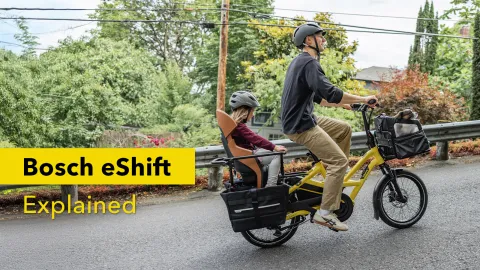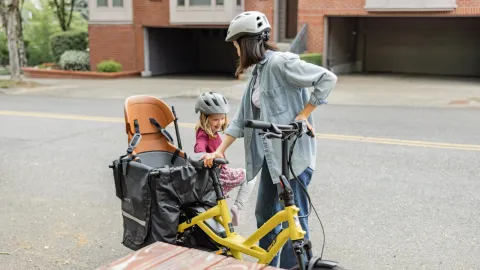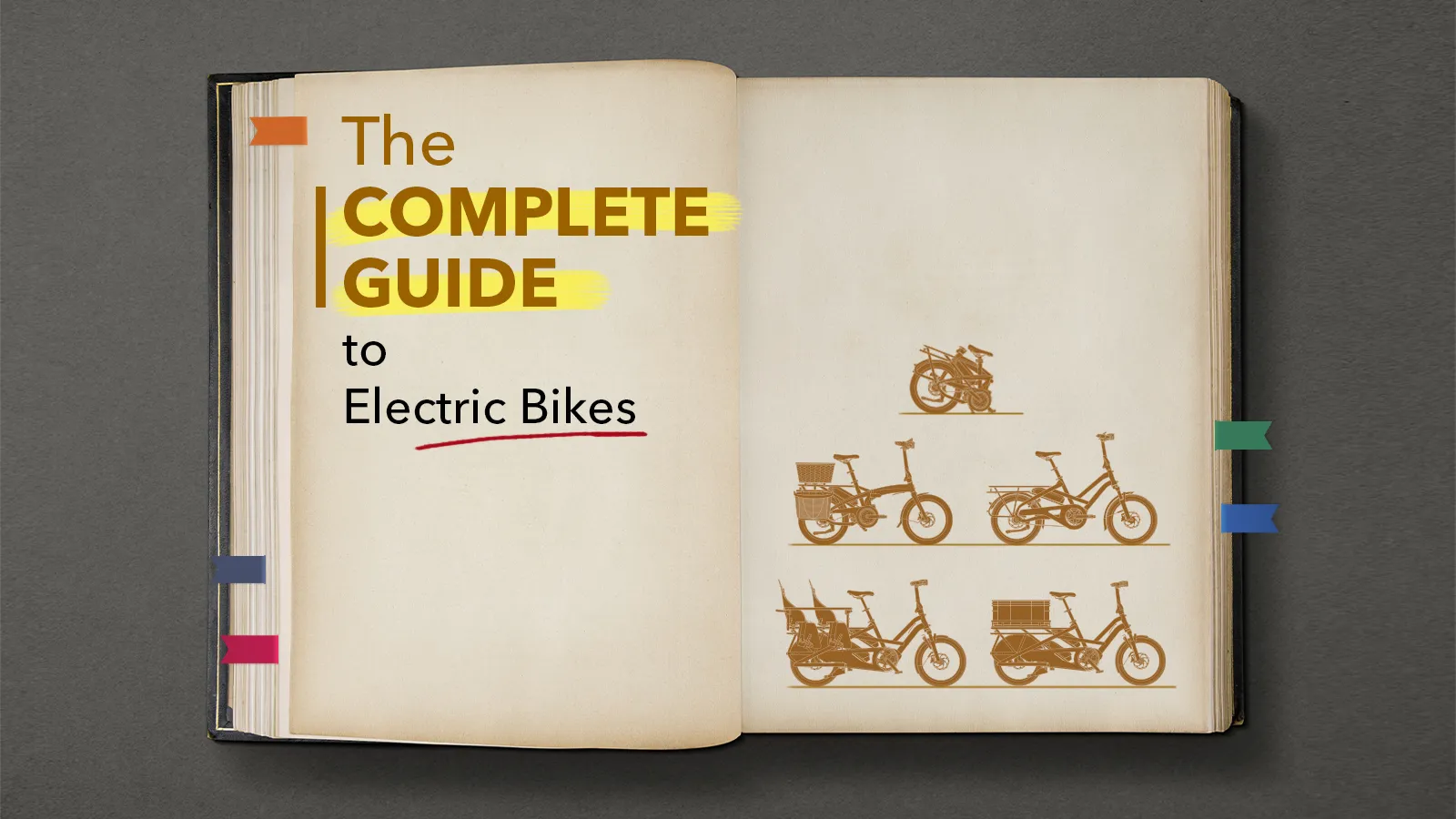
Electric bikes are becoming a popular choice for people who want a simple, enjoyable, and more sustainable way to move through their day.
If you have heard about ebikes and are curious about what they are, how they work, and why so many riders choose them, you are at the right place! This guide gives you the essential knowledge you need as we go from key components to common types of ebikes and what to expect once you start riding.
Ready to learn more about ebikes? Let’s get started.
Contents
- What is an e-bike?
- How do e-bikes work?
- What are the types of e-bikes?
- Benefits of riding an e-bike
- Why are e-bikes becoming more popular for commuting?
- Are e-bikes safe?
- Buying your first e-bike
- E-bike maintenance
- Getting started with Tern e-bikes
- Frequently Asked Questions about electric bikes
1. What is an e-bike?
An electric bike, or e-bike, is a bicycle that includes an electric motor, a battery, and a control unit in addition to standard components like pedals, handlebars, and a saddle. E-bikes blend the simplicity of a traditional bike with the boost of an electric system, giving you power exactly when you need it. With these extra components, you can ride farther, climb hills effortlessly, and carry more.
Read more:
2. How do e-bikes work?
E-bikes may seem complicated, but the basics are simple. The battery feeds power to the motor, the motor turns that power into forward motion, and you can use the control unit to choose how much assistance you want as you ride.
If you’re on a pedelec (pedal electric cycle), the motor gives you a boost while you pedal, and assistance cuts off once you reach a certain speed or if you stop pedaling altogether. Throttle e-bikes work a little differently. Instead of relying on pedaling, you can twist or press the throttle to engage the motor for instant acceleration, just like a motorcycle.
Read more:
3. What are the types of e-bikes?
E-bikes come in many shapes and sizes, each designed for a different purpose.
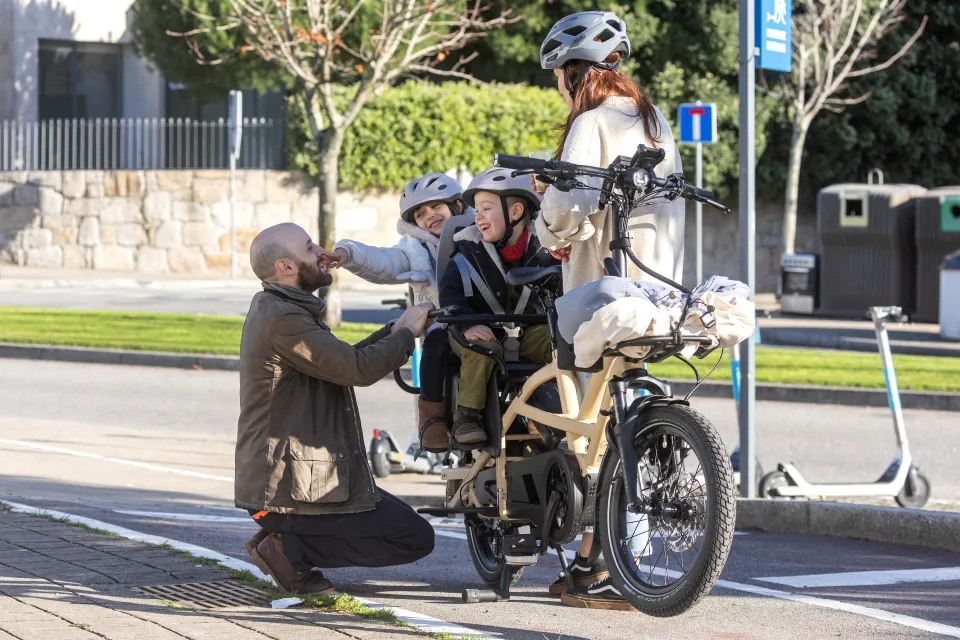
Cargo e-bikes are designed for transporting passengers, groceries, and even businesses. Folding e-bikes are all about convenience, as they can be folded down into a compact size, making commuting and storage much easier. City e-bikes are great for everyday errands and cruising around town.
Then there are performance e-bikes, designed for riding in more demanding conditions or going off-road. Because of this, performance e-bikes require extra power and durability compared to the other types.
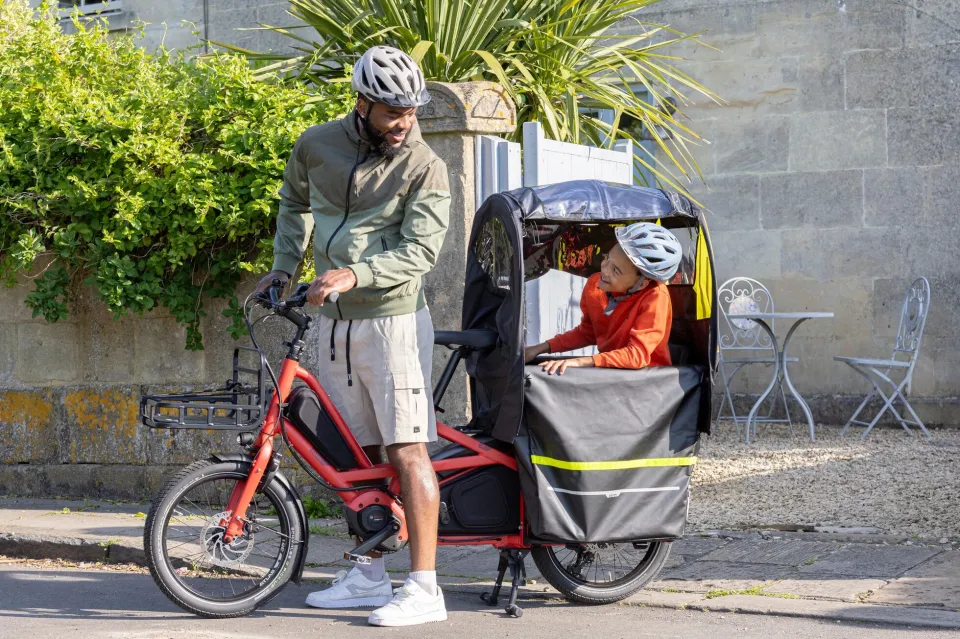
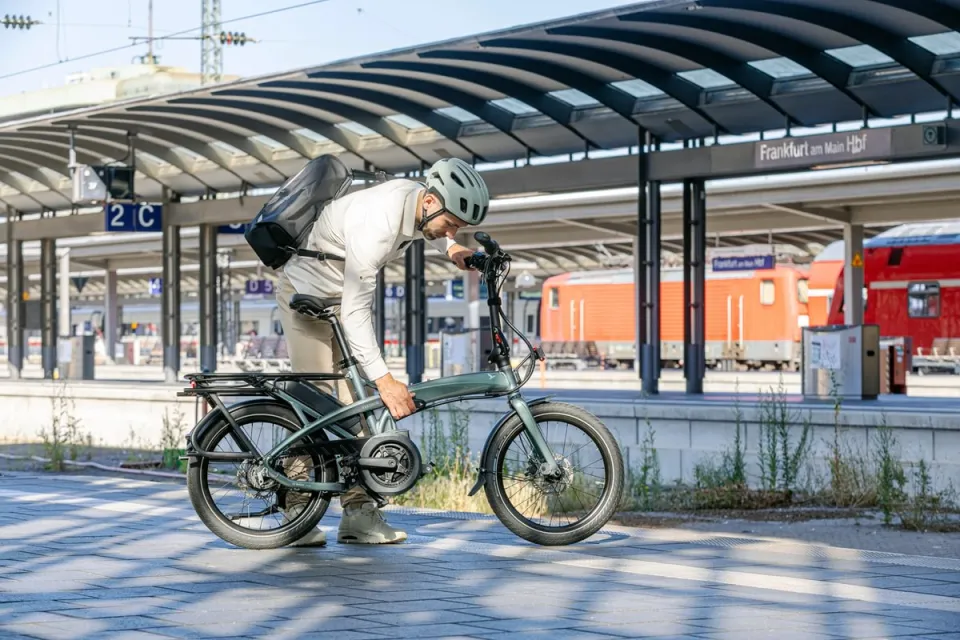

Each type has its own unique benefits, but all are boosted by a motor to make riding easier, more convenient, and suited for your needs.
Learn more: Everything You Need to Know About Cargo eBikes
4. Benefits of riding an e-bike
There are plenty of advantages to riding an electric bike. For example, cycling helps you stay active so you can sneak in your daily exercise with every trip. E-biking can also support your mental health by simply getting you outdoors more often, whether you’re riding solo or spending time with your family. Moreover, choosing an e-bike over driving can also save you tons of money while you reduce your carbon footprint.
Discover more:
5. Why are e-bikes becoming more popular for commuting?
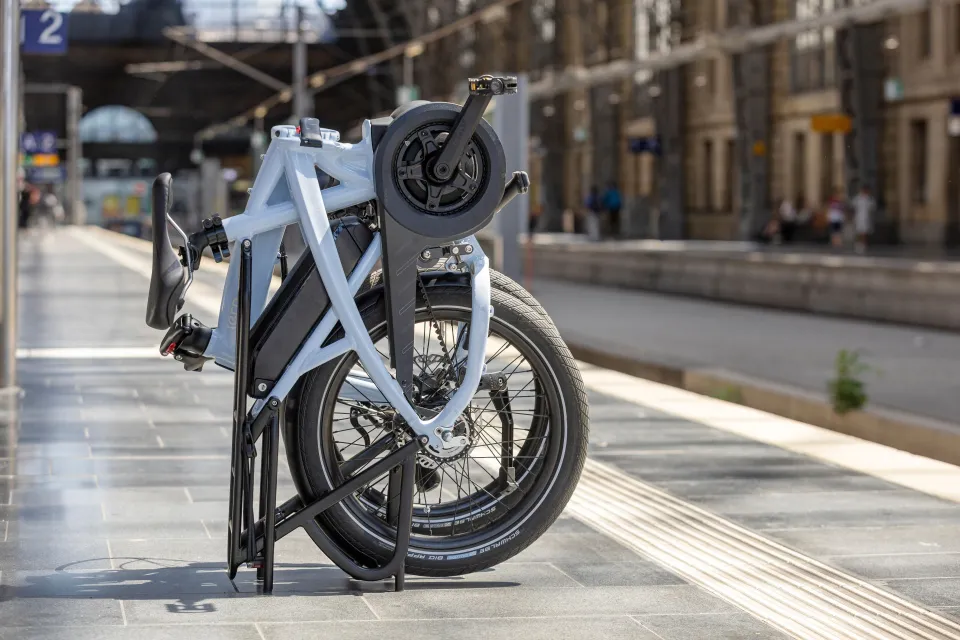
The daily commute can be stressful, with traffic jams, crowded trains, and unexpected delays. But with an electric bike, you can turn all that into a healthier and more flexible routine. A folding e-bike is especially great for getting started with multimodal commuting, as it folds down compactly to fit on public transport. Once you’ve reached your station, you can unfold it again and cover the last stretch to the office. Arrive at work energized, enjoy some fresh air, and skip the worst of rush hour.
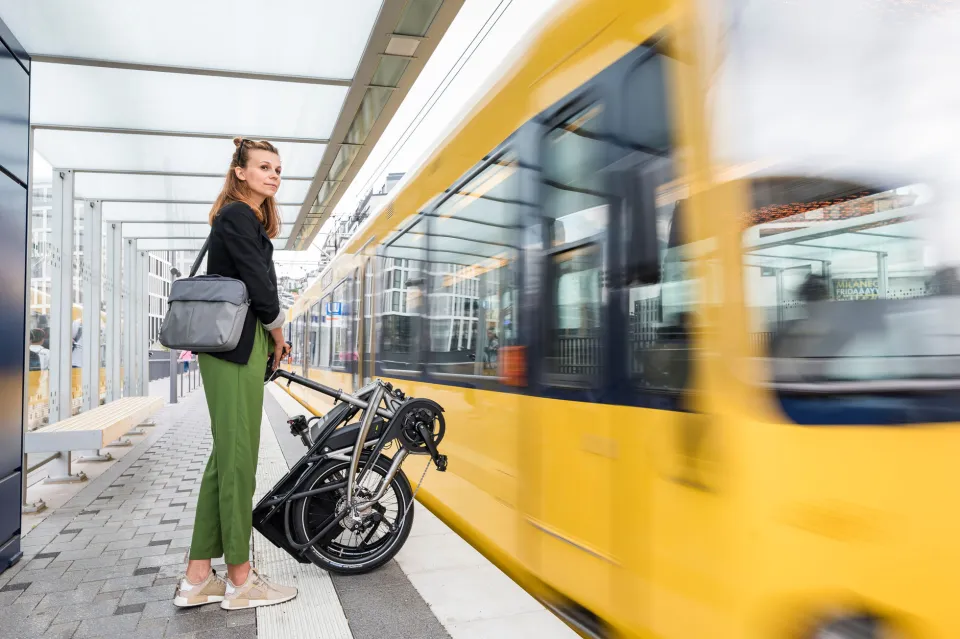
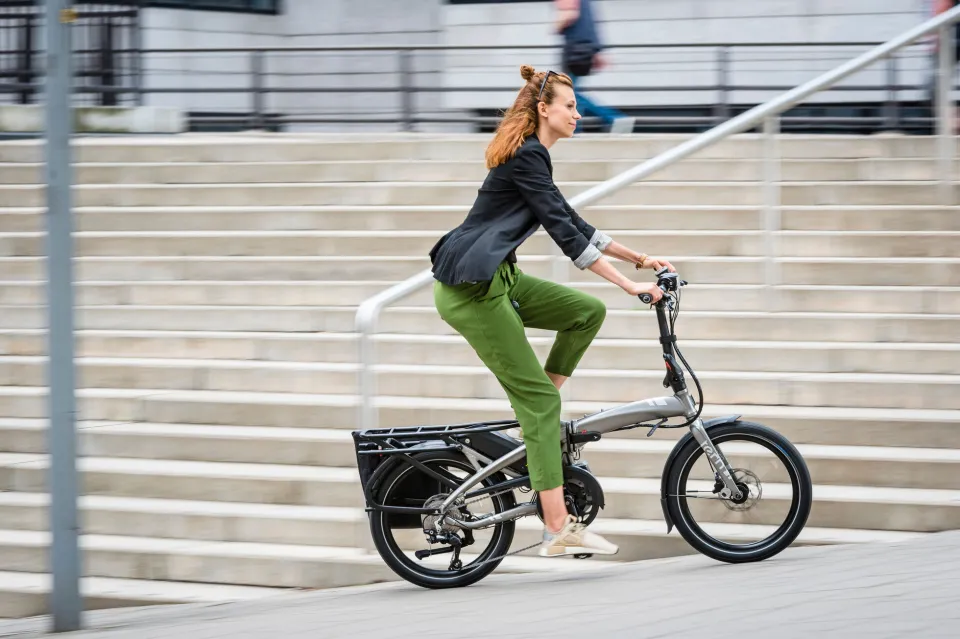
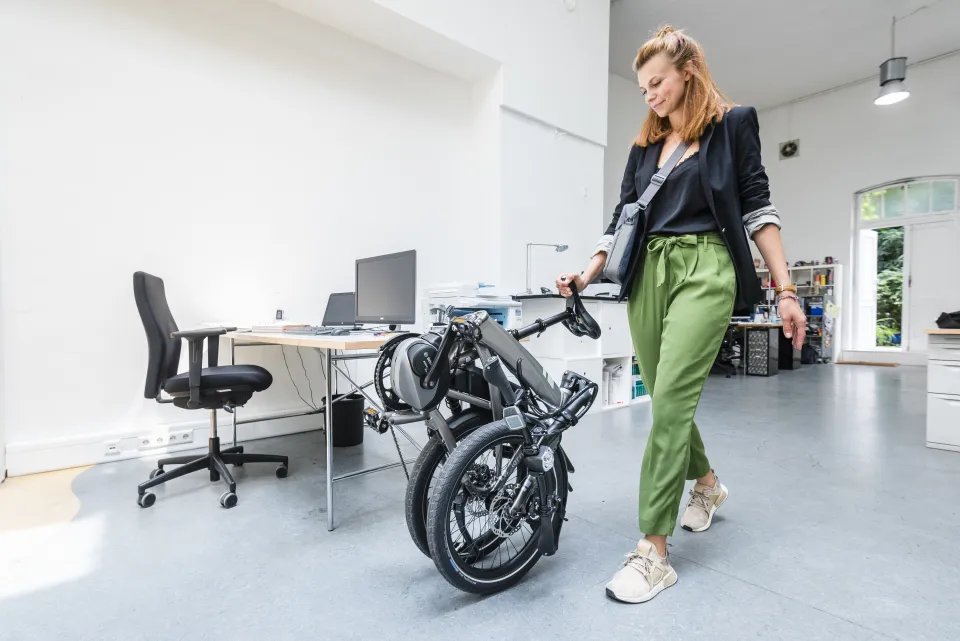
Commuting gets more flexible with a foldable e-bike — carry it onto public transport, ride to cover the last mile, and bring your bike straight into the office. The pictures feature Tern Vektron, a compact folding e-bike ideal for commute rides.
Choose the right e-bike for you:
- How to Select an E-Bike for Daily Commuting
- Tips for Getting Started With Mixed-Mode Commuting (and How E-Bikes Can Help)
- Top 5 Benefits of Commuting with a Folding Bike
6. Are e-bikes safe?
When choosing an e-bike, safety always comes first. Understanding e-bike safety standards and certifications not only helps you spot high-quality models, but also gives you a better sense of why these features matter for your own protection on the road and at home. For example, the New York state government has made it illegal to sell or purchase e-bikes with non-UL-certified batteries, a measure to keep its residents and their environment safe.
E-bike safety standards you should know about:
- Are E-Bikes Safe?
- E-Bike Certifications—The Ones That Really Matter for Your Safety
- What You Need to Know About E-Bike Battery Safety
- DIN 79010: What It Is, and Why It’s Important for E-Bike Safety
7. Buying your first e-bike
Buying your first ebike involves more than just picking one that looks cool.
Start with some practical considerations. Does the brand have partner shops near where you live, and do they offer test rides? Next, look at the technical side, such as bike specs and battery range. Also, think about whether you’ll mainly be carrying just yourself, passengers, or cargo, as this may help you determine what type of accessories you need.
Finally, think about the long-term side of owning an ebike. How does the warranty work? How easy is it to get the bike serviced? Are spare parts and replacement batteries readily available? A reliable dealer and reputable brand will make a huge difference, as good support will matter just as much as the bike itself in the long run!
How to choose an e-bike that lasts and fits your life
- How Long Do E-Bikes Last?
- How Much Should I Budget For a Good Electric Bike?
- Top Considerations When Choosing a Cargo E-Bike
Where and how to buy an ebike
- Pros and Cons of Buying an Ebike Online
- The Real Value of Buying Your E-Bike From a Local Bike Shop
- Your Questions About Bike Dealers and E-Bike Shopping, Answered by Our Expert
- Guide to Buying a Used E-Bike

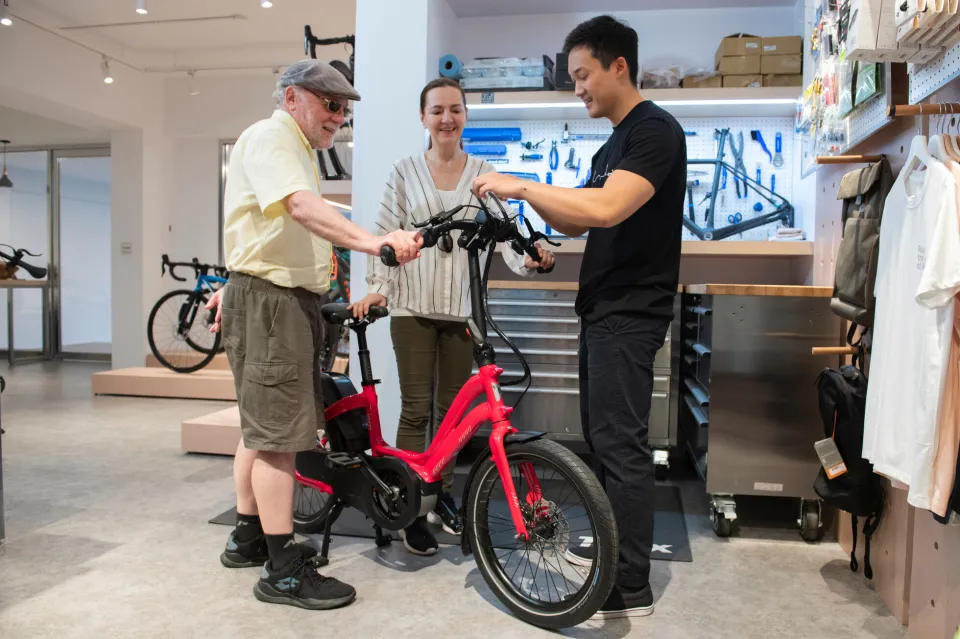
Buying your e-bike from a local shop lets you test ride and receive reliable support throughout your ownership.
8. E-bike maintenance
While some simple maintenance tasks like cleaning your bike or checking for basic wear and tear can be done from home, we recommend that riders visit their local bike shop for expert advice. Dealers can help you with periodic tune-ups, diagnose any issues related to your motor or battery, and ensure your bike stays in a safe and reliable condition.
Tern provides support guides specifically for our bike owners, including how to clean your chain, how to pump your tires, and how often your bike should be serviced. Using these resources alongside guidance from a local dealer ensures your bike stays in top condition.
Please note that these guides are written for Tern bikes and may not fully apply to other brands:
- How to Clean and Lube Your Bike Chain
- How to Maintain Your Gates Carbon Drive Belt
- How to Properly Pump Your Tires
- How to Check Brake Pad Wear
- How Often Should You Tune Up Your Bike?
9. Getting started with Tern e-bikes
Getting started with a Tern e-bike is simple and fun. Whether you’re commuting to work, running errands with your family, or hauling cargo around town, Tern has solutions to fit your lifestyle. Ready to experience the freedom of riding an e-bike? Browse our bike lineup, find your nearest Tern dealer, and start doing more by bike!
Service and support for Tern bike owners
Still have questions?
FAQ
- E-bike basics and how they work
-
Do you have to pedal an ebike, or can it move on its own?
This depends on the type of e-bike. Pedal-assisted models require pedaling, which is boosted by the motor. When you stop pedaling or reach a certain speed, this motor support will be automatically cut off. Throttle e-bikes do not require pedaling, as you can twist or press the throttle to give you a boost.
Learn about the difference: What is an E-Bike?
-
Are e-bikes legal? Do they require registration, insurance, or a license to ride?
Laws for e-bikes can vary depending on where you live. For example, in many places you can ride an electrically assisted pedal cycle (EPAC) with a maximum assist speed of 25 km/h (15.5 mph) without needing a license, registration, or insurance. To be sure, it’s best to check your local regulations or your city’s official website before hitting the road.
-
How fast do e-bikes go?
E-bike speed limits vary by location. For example, in Europe, the speed limit is set to 25 km/h (15.5 mph), while in the US, this depends on the e-bike class. Please check your local authority’s website for more information.
-
How far can I ride on a single battery charge?
Lower-end e-bikes with untested batteries typically cover around 20 to 50 km (12 to 31 miles) on a single charge. Premium models with certified, higher-quality batteries can usually reach 50 to 120 km (31 to 75 miles). Note that the range also depends on load, terrain, and riding conditions.
-
Are e-bikes good for exercise?
Yes! E-bikes help you get more exercise than you might think. They make riding easier and more fun; people ride longer and more often, boosting mental and physical health.
Learn about other benefits of e-bike riding: 5 Common Questions About Electric Bikes
-
- E-bike battery safety
-
How long does it take to charge an e-bike battery?
It depends. Several factors can influence how long it takes to charge a battery, such as how much power (Wh) it holds, how old the battery is, and the temperature. Fully depleted batteries take longer to charge, while batteries that still have a partial charge will charge more quickly.
-
How long does an e-bike battery last?
With proper care, such as avoiding full discharges and storing at room temperature, batteries can remain reliable for many years. A quality lithium-ion battery can last anywhere from 3 to 8 or 9 years before its capacity declines.
How to take care of your battery:
-
How do I make sure my e-bike battery is safe?
Look for a UL-certified battery with a tested battery management system (BMS) that protects against overheating, overcharging, and electrical faults. Follow the manufacturer’s guidelines for charging, storage, and handling to prevent accidents and extend the battery’s lifespan.
Learn more: What You Need to Know About E-Bike Battery Safety
-
- Budgeting, buying, and test riding e-bikes
-
How much does a good ebike cost?
An ebike can cost anywhere from under US$1,500 for entry-level models to $3,000–$6,000 for premium or family cargo bikes, with high-end bikes above $6,000. Prices reflect more than features, performance, and durability. They also cover testing and certification, the quality of components, and the brand’s investment in its service network to support its riders as best as possible.
Know what you’re paying for:
-
What should I look for in an ebike?
When buying an ebike, the best way to find the right one is to take a test ride. Pay attention to fit, handling, and overall performance. After that, review key specs like range, battery size, and any accessories you might need. Ask the dealer about certifications and safety features as well.
Finally, think about long-term ownership. Check the warranty, how easy it is to get the bike serviced, and whether spare parts and replacement batteries are available.
Prepare for your test ride:
- How to Test Ride an Electric Cargo Bike
- Your Questions About Bike Dealers and E-Bike Shopping, Answered by Our Expert
-
Where can I test ride an ebike to see if it fits my needs?
Apart from visiting your nearest bike dealer, you could also look for subscription-based services in your area. They often also let potential customers test ride before purchasing.
Find your nearest bike dealer: Where to Buy Electric Bikes
-
Where to buy ebikes?
You can buy ebikes online or at a local bike shop. Buying online means you won’t be able to test ride the bike, inspect it in person, or ask the dealer questions. By contrast, purchasing from a local bike shop gives you expert advice, test rides, and professional, long-term support. They can handle maintenance, warranties, and help tailor your bike to your lifestyle, all while supporting your local community.
Advantages of a bike shop: The Real Value of Buying Your E-Bike From a Local Bike Shop
-
Should I buy an ebike online?
This really comes down to your preferences and how comfortable you are with bike mechanics. Buying an e-bike online is usually more convenient and often cheaper, but you’ll need to handle the assembly yourself, and you miss out on a test ride and expert support. Buying from a local shop ensures you get a proper bike fit and ongoing support from the bike dealer.
Consider your options: Pros and Cons of Buying an Ebike Online
-
What to look for when buying a used ebike?
When buying a used e-bike, check the brand, battery condition, service history, and whether key parts like the battery are still supported. Make sure the seller can prove ownership and let you verify mileage, diagnostics, and overall bike condition. It’s also important to consider the warranty. Some brands allow a warranty transfer, which means you’ll receive the remaining coverage from the bike’s original warranty period.
Start here: Guide to Buying a Used Electric Bike
-
- Getting started with an e-bike
-
Are e-bikes heavy?
E-bikes are generally heavier than regular bikes due to their motor and battery. On average, traditional bikes weigh between 9 and 16 kg (20-35 lb), whereas e-bikes can weigh between 20 and 40 kg (44-88 lb). The exact weight varies by type, frame material, and purpose, with some e-bikes designed for cargo or off-road use weighing more to support extra features.
-
Are e-bikes difficult to ride?
E-bikes are generally easy to ride, but this might depend on the type of e-bike. In the beginning, a frontloader might take a little more time to get used to, especially if you’re new to carrying cargo or passengers. With a little practice riding solo and gradually adding cargo or passengers, most riders quickly find it intuitive and manageable.
Get started:
- Cargo eBike 101: Everything You Need to Know
- How Easy Is It To Ride & Own a Cargo Bike?
- Beginner Tips for E-Cargo Bike Riders
-
Can I ride my e-bike in regular bike lanes?
In many areas, pedal-assisted cycles are treated as regular bikes and allowed in bike lanes. To be sure, please check with your local authorities before you ride.
-
Can I ride my e-bike on the sidewalk?
Whether you can ride on the sidewalk depends on where you live. For example, in many European countries, cyclists must ride on bike lanes or share the road with motorists. Elsewhere in the world, cyclists may be allowed to ride on the sidewalk. Always check local regulations before you ride.
-
Do I need a helmet to ride an e-bike?
Since helmet laws vary by region, please check your local regulations before riding. For optimal safety, we always recommend that you and any passengers wear a helmet.
Check out more: Essential Cycling Safety Tips
-
- Storage, transport, and maintenance
-
Where can I store my ebike?
Store your ebike indoors whenever possible, or locked in a sheltered outdoor area. Keep it away from moisture and flammable materials to prevent damage or fire hazards.
-
Can you bring an ebike onto public transport?
You can often bring an ebike onto public transport, especially if it’s a folding model that fits easily on trains or subways. Consult your transit operators for size limits, time restrictions, or extra fees.
-
Can I transport my ebike by car?
Some e-bikes can be folded compactly to fit in a car trunk, while others require more space. If your bike doesn’t fit, you can always use a bike rack. For easier lifting and added safety, we recommend removing the battery before transport.
Learn how: How to Transport and Park Your Tern (E-)Bike
-
How often do I need to maintain my e-bike?
How often you need to service your e-bike depends on how you ride. Daily use, heavy loads, or rough terrain require more frequent tune-ups, while lighter, occasional rides need less frequent checks.
See when to schedule: How Often Should You Tune Up Your Bike?
-
Related Articles