
E-bikes are transforming how we move, offering a sustainable, capable, and enjoyable alternative to car trips. Electric bikes are a popular choice, in particular, for urban riders and commuters who need a convenient solution for running errands daily.
Buying an electric bike is a big investment, and not just financially. Many riders ask, where can I buy an ebike that offers the right mix of value, fit, service, and long-term support? Should you buy your e-bike online or in-store?
In the growing online vs in-store debate, the best option really depends on what you prioritize, whether that’s upfront savings, expert advice, the ability to test ride, or having reliable service when you need it. In this guide, we’ll break down the pros and cons of each approach.
New to e-bikes? Check out our E-Bike Buyer's Guide for practical, beginner-friendly tips that help you choose the right bike for you.
D2C: Easy to buy, harder to own
The D2C model offers a modern, often lower-cost way to buy an ebike. You can browse, compare, and order online, sometimes with fast shipping and the promise of savings. The appeal is clear: competitive pricing, doorstep delivery, and the convenience of shopping from home. But after clicking on the purchase button, getting your bike road-ready isn’t always as easy as it seems.
Most D2C bikes require final assembly, and without the right tools or experience, that can be challenging. A misaligned brake or under-torqued bolt isn’t just inconvenient; it can be a safety risk. Add in motor systems, firmware, and custom parts, and what begins as a cost-saving move can quickly turn into a frustrating and potentially risky project.
There’s also no opportunity to test ride before buying, which makes it harder to assess fit, handling, and overall build quality of the electric bike. And if the bike doesn’t feel right once it arrives, returning it can be a hassle, often involving reboxing a heavy bike and covering shipping or restocking fees.
Once you start using your electric bike, service can become a hurdle. While some online brands offer remote support, the actual repairs still have to happen locally. That’s fine if you’re mechanically inclined, but many bike stores and shops are hesitant to work on bikes they didn’t sell, especially those with proprietary components or electronic parts from brands that are now well known.
Without a local partner, even basic maintenance can become a challenge. Delays in communication, long shipping times, and hard-to-source parts can turn simple repairs into long-term headaches.
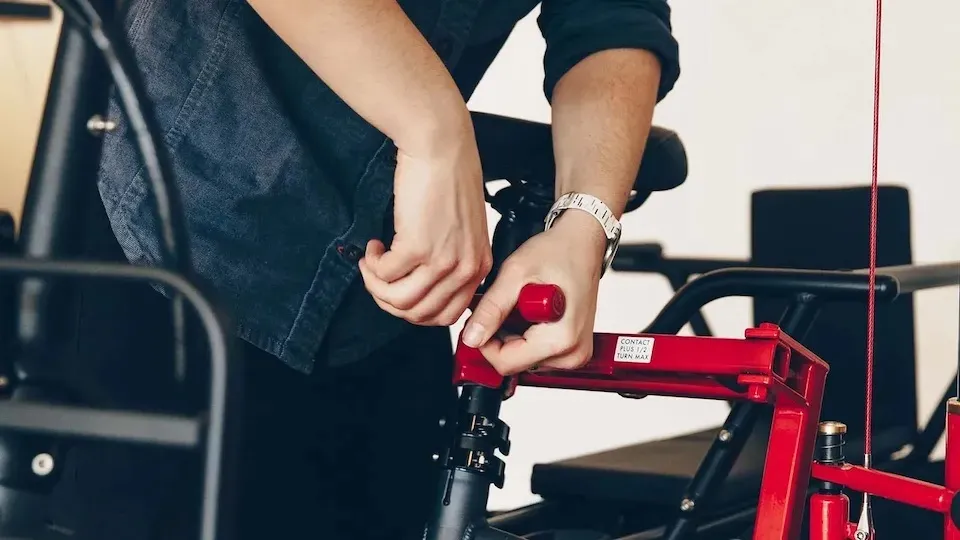
Dealers can help keep your bike in tip-top shape
Local bike shops: Not just a purchase, a partnership
The Local Bike Shop (LBS) model is rooted in hands-on service and expert guidance. You can test ride different bikes to find one with the best fit and feel, get advice from trained staff, and receive a professionally assembled, safety-checked bike. While the upfront cost may be higher, you’re investing in something more: the real value kicks in after you leave the shop.
E-bikes, like cars, need regular maintenance. Software needs updates. Brake pads, drivetrains, and other components wear out and need replacing. A trusted local store can handle all of this, often with faster turnaround times and far less frustration than working through online support forms for D2C brands.
Many shops also offer proactive service, helping you avoid breakdowns in the first place. They run diagnostics, catch wear and tear early, and keep your electric bike running smoothly, extending its lifespan and improving your experience. And if something major does go wrong, they’re there to help, not just with repairs, but with warranty claims, loaner bikes, and expert advice.
Want to know how to prepare for a first bike shop visit or test ride? Learn it all from our Q&A with a real bike shop expert.
Think carefully before purchasing
An electric bike is a long-term investment, and its real value comes from how well it performs, not just in the first month, but over the next five to ten years. That performance depends heavily on ongoing support, and that support depends on how and where you bought your bike.
In addition to support, access to replacement parts is essential for long-term reliability. Many D2C brands keep prices low by using less common components or frequently switching suppliers. While this reduces upfront costs, it can make future repairs difficult, or even impossible. For instance, if a brand changes battery suppliers, owners of older models may find that replacements are no longer available. Without a compatible battery, the entire bike becomes unusable, turning a once-functional e-bike into an expensive paperweight.
In contrast, bikes sold through shops are typically built with serviceability in mind, using proven, widely available components from established suppliers. Some brands even pledge to offer essential replacement parts, including batteries, for years after purchase, ensuring riders can keep their electric bikes on the road long after the initial sale.
For families, commuters, and everyday riders, this kind of reliability isn’t a luxury, it’s a necessity. The ability to maintain, repair, and rely on your bike over the long haul is what turns a purchase into a smart investment.
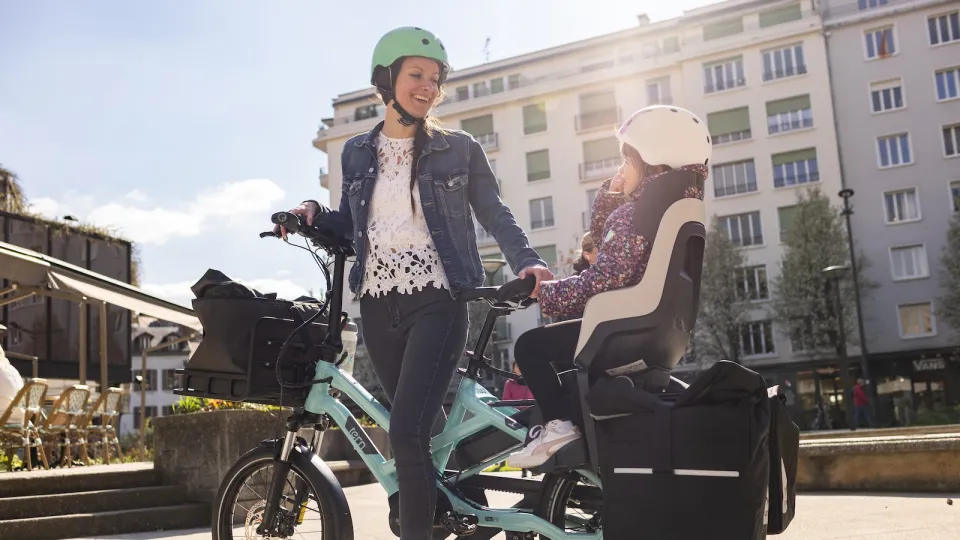
An ebike is a long-term investment
Buying an ebike online vs in-store: what's the difference?
| Item | Buying an ebike online (D2C) | Buying an ebike from a store or shop |
| Upfront price | Generally lower | Generally higher |
| Choosing the right model | Browse product pages and compare specs | Get in-person advice and see different models up close |
| Test ride | Not available | As part of the ebike buying experience, you can test ride multiple ebikes before purchase. |
| Assembly & fit | DIY setup required | Professionally assembled and fitted for safety and comfort |
| Preventive health checks | Self-managed | Scheduled tune-ups and health checks at your local bike shop |
| Service and support | Remote: email or phone | Hands-on, in-person support from trained technicians |
| Warranty claims | Handled via email or customer support portal | Handled in person at your local bike shop |
| Parts and repairs | May involve delays or unavailable components | Faster turnaround with access to standard parts |
| Long-term reliability | Depends on your mechanical skills and the brand’s parts support | Backed by a shop invested in keeping your bike on the road |
Value found beyond the price tag
Overall, D2C purchases are designed for a convenient purchase. It’s streamlined, fast, and frictionless. But local bike shops invest in the entire journey, offering pre-purchase guidance, expert assembly once the sale is made, and long-term support that transforms the sale into a relationship.
There’s no one-size-fits-all solution. The D2C model can work for riders with mechanical know-how or who can find dependable local support. But for most people, especially those who rely on their e-bike daily, buying from a local store or shop delivers lasting value that extends far beyond the initial purchase.
So when choosing where to buy, think beyond today. Pick the option that will continue to keep you happy for years down the road.
Ready to find a trusted local shop? Use our dealer locator to connect with an expert near you and start your e-bike journey with confidence.