UL Certification for eBikes: What to Look For Before You Buy
Since electric bikes are becoming a normal part of everyday life, you may have noticed that public awareness around ebike battery safety has also increased. People ride ebikes to commute, bring their kids to school, and replace car trips whenever they can. You would expect that all ebikes are safe enough to use, but did you know that safety certification is often at the manufacturer’s discretion?
Due to ebike battery fires in recent years, governments and regulators have discovered that many such incidents involved products that were not built or tested to recognized safety standards. As a result, governments around the world have adopted stricter rules and regulations. For example, New York City’s Local Law 39 (2023) requires all micromobility devices, including ebikes, sold, leased, or rented in the city to meet recognized UL safety standards. In New South Wales, Australia, safety certification requirements also apply to ebike batteries and electrical systems sold or rented in the state.
Terms like “certified to UL standards”, “UL-certified”, or “tested to UL standards” often come up in the context of ebike safety. They may sound similar, but refer to different levels of safety evaluation. This article explains the key UL standards to help you understand why they matter for ebike safety and make an informed purchase decision.
Contents
- Why your ebike should be certified to UL standards
- List of Tern ebikes with electrical systems certified to UL 2849
- UL certified or UL compliant: What is the difference?
- How do I know if an ebike system is really certified to UL 2849?
- Frequently asked questions
- Summary
Why your ebike should be certified to UL standards
UL is a globally recognized leader in developing safety standards across many industries, including the ebike industry. Electrical systems that are certified to UL standards have been independently evaluated for safety.
For electric bikes, the standards most commonly referenced are UL 2271 and UL 2849. While they both relate to electrical safety, they evaluate different parts of the bike. Understanding the difference between these two standards helps you know what evaluation the bike has undergone.
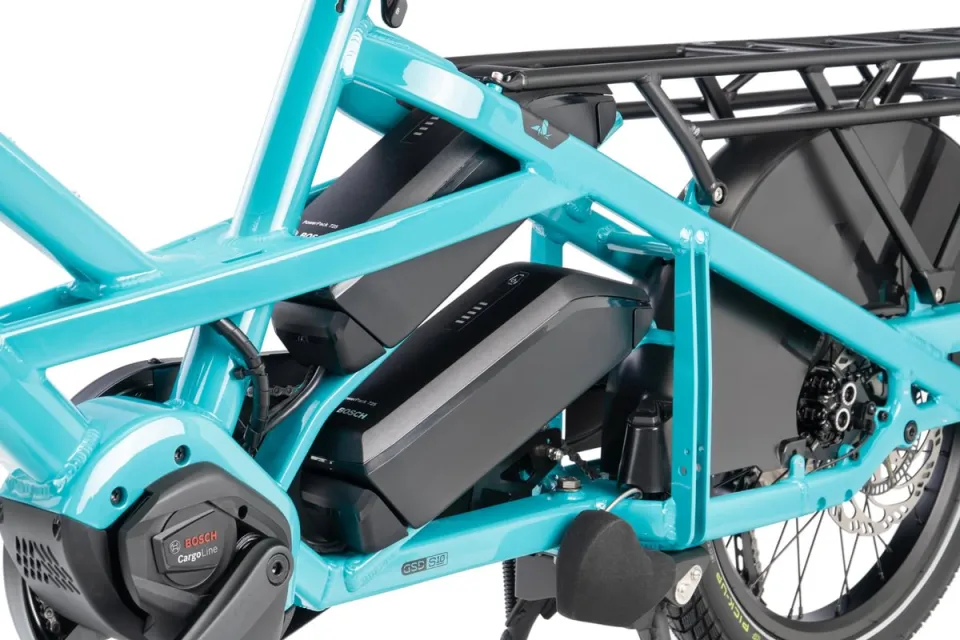
Understanding UL claims about electrical safety helps you make an informed decision when buying an ebike
What is UL 2271?
UL 2271 focuses specifically on the battery pack used in light electric vehicles, including electric bikes. Testing evaluates how the battery behaves under conditions such as overcharging, short circuits, and temperature changes. These tests help confirm that the battery pack remains stable during normal use and under stress.
What is UL 2849?
UL 2849 evaluates the ebike’s entire electrical system. This includes the battery pack, charger, motor, wiring, display unit, and controller. UL 2849 examines how these components behave both individually and when operated together. The goal of the testing is to ensure that the system functions safely as a whole.
Because it evaluates the complete system, UL 2849 is widely considered the gold standard for ebike safety. When comparing UL 2849 vs UL 2271, it is important to remember that they are not the same.
If you are choosing between ebike models, this distinction also makes it easier to understand what it means when a manufacturer claims that their ebikes meet a UL standard for electrical safety.
Standard | What it evaluates |
|---|---|
| UL 2271 | Just the battery pack |
| UL 2849 | The complete ebike electrical system—battery pack, charger, motor, wiring, display unit, and controller |
List of Tern ebikes with electrical systems certified to UL 2849
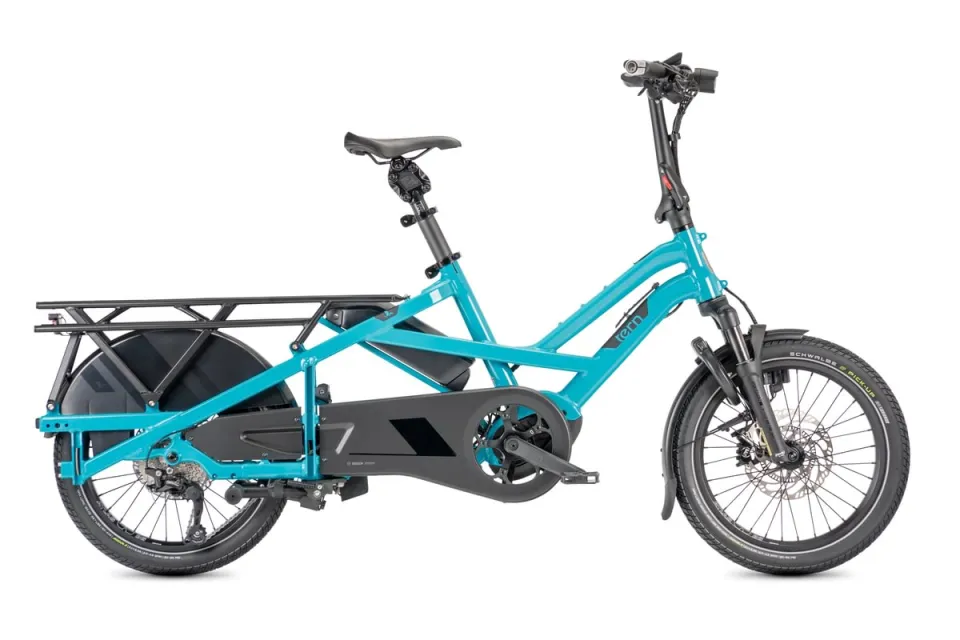
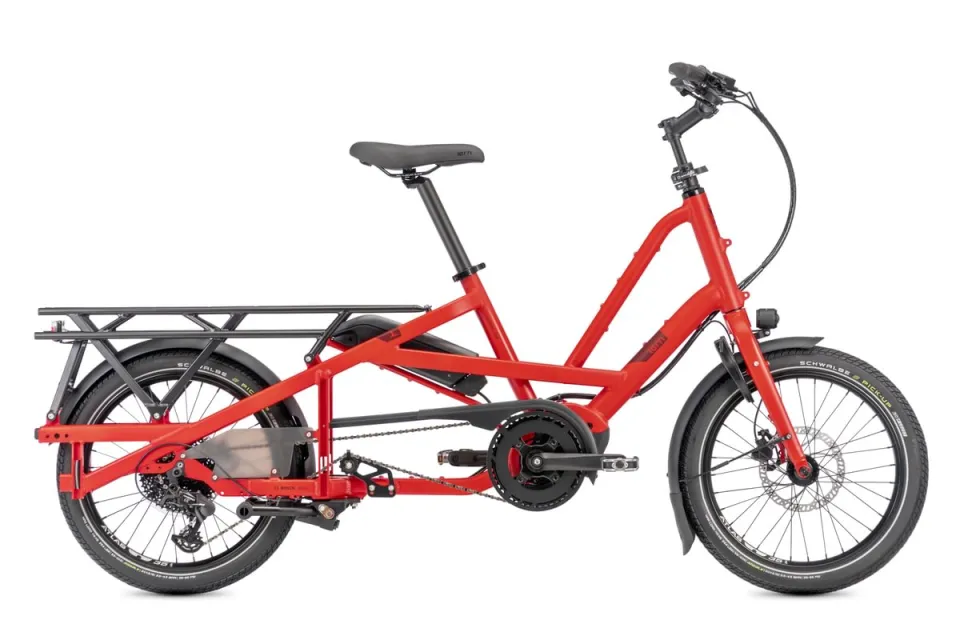
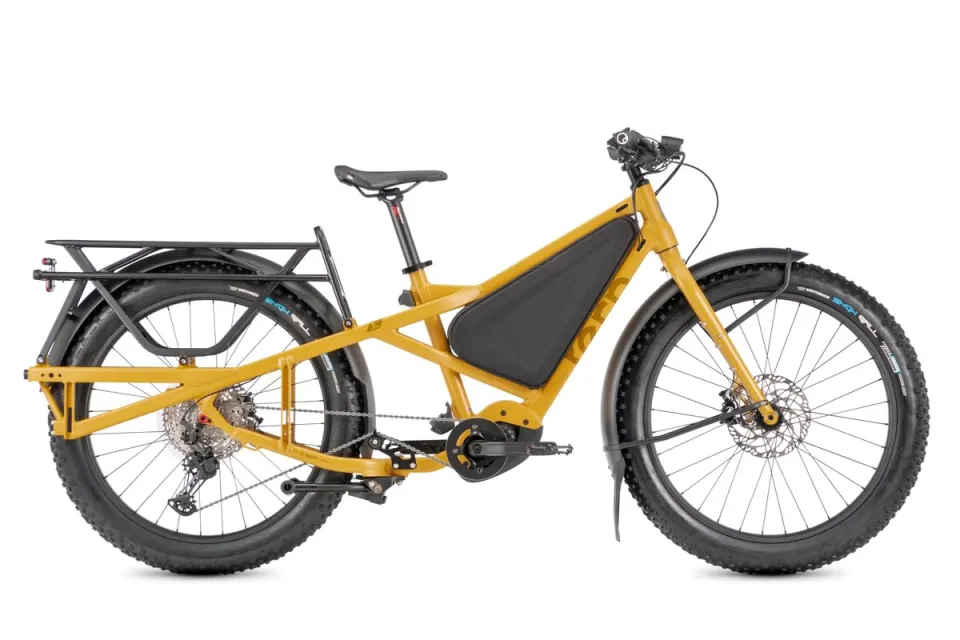
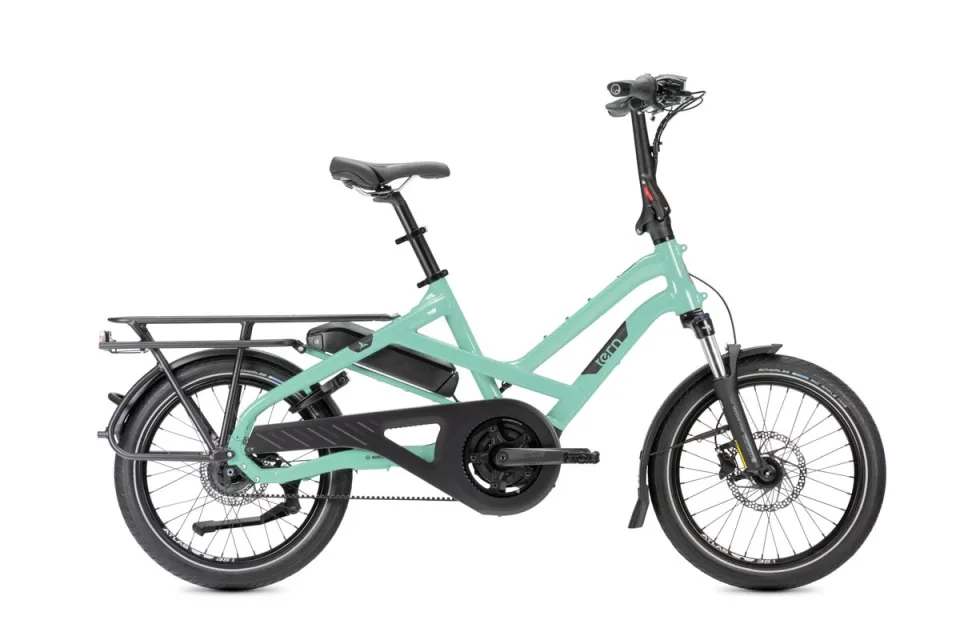
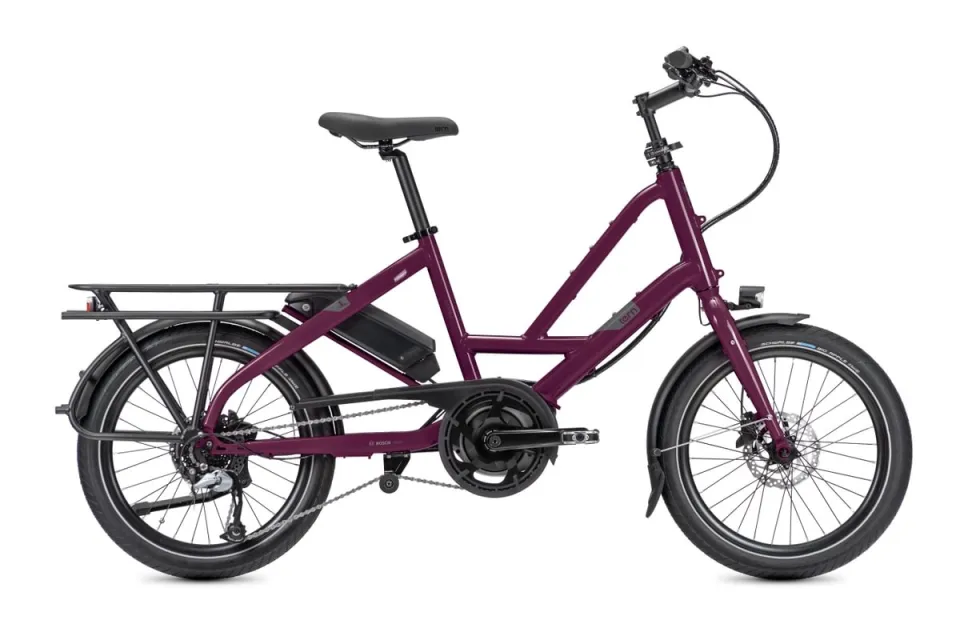
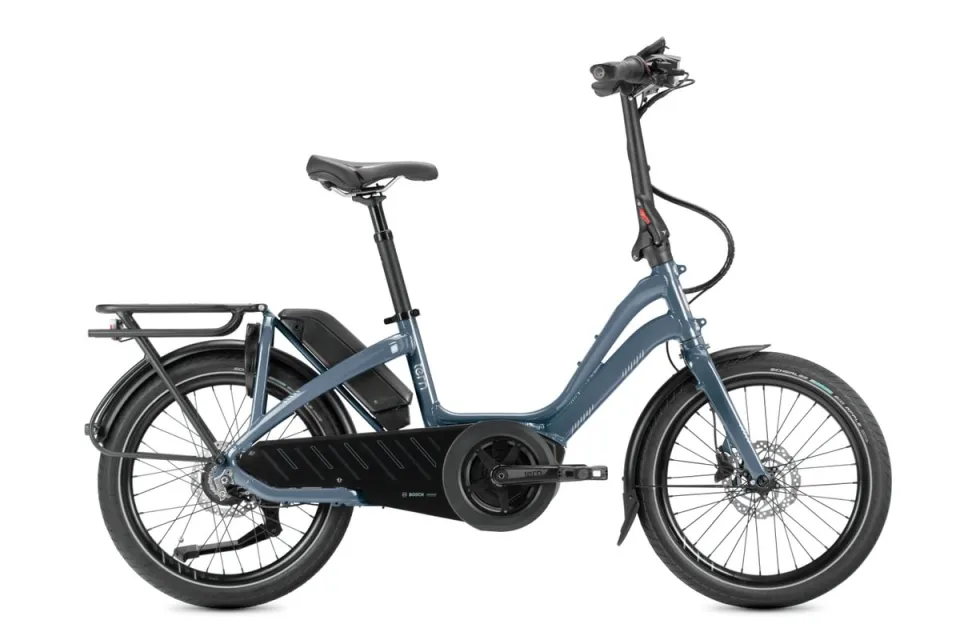
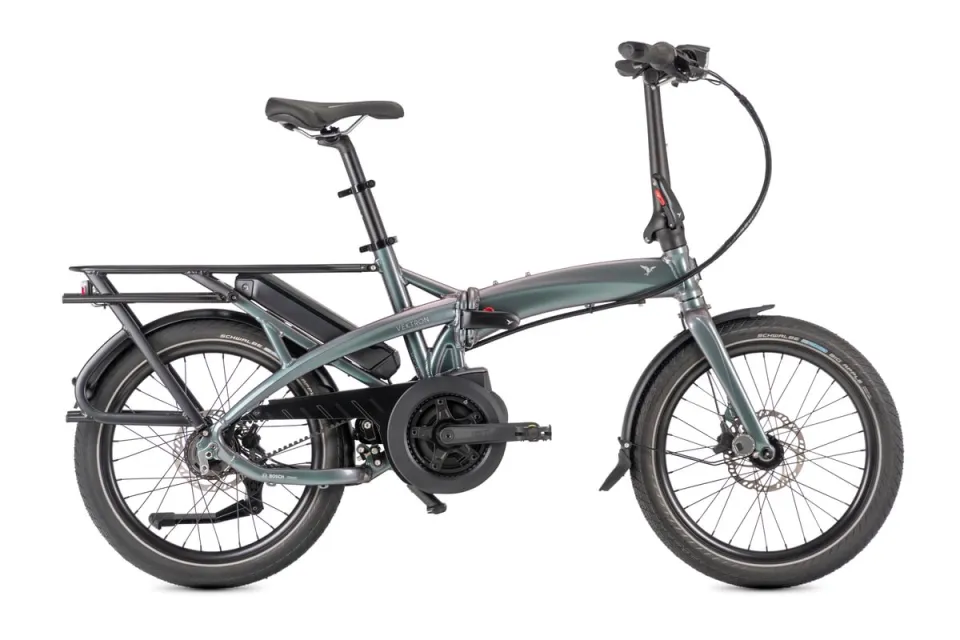
Tern ebikes use e-bike systems that are certified to UL 2849. This means that the complete electrical system, including the battery, has been independently evaluated for safety.
2‑Passenger ebikes
GSD | Quick Haul Long | Orox |
| 
| 
|
1‑Passenger ebikes / city bikes
HSD | Quick Haul | NBD | Vektron |
|---|---|---|---|
| 
| 
| 
|
You may also encounter UL-related claims other than “UL-certified” when comparing ebikes. These terms sound quite similar, but they do not refer to the same level of evaluation. Understanding the difference between the terms can help you interpret them correctly.
UL certified or UL compliant: What is the difference?
To understand how these claims differ, it helps to look at what each actually means. The table below shows UL-related terms and how they compare.
Term / Level of evaluation | What it means |
| Tested to a UL standard | The product was tested to a UL standard in-house or by a third party, but without formal certification. |
| Compliant with a UL standard | The product meets a UL standard through in-house or third-party testing, with formal certification provided if a third party is involved. |
| Certified to a UL standard | The product has been tested and formally certified by an accredited third-party laboratory, with the manufacturer being periodically audited to ensure continued compliance. |
| Certified by UL / UL-certified / UL-listed | The product has been directly tested and certified by UL, and may be labelled with “Certified by UL”, “UL-certified”, or the UL logo once the manufacturer is authorized to use it. |
So, in general, ebike systems that are certified to a UL standard, UL-certified, or UL-listed offer the highest level of assurance, as they have been independently verified by an accredited third-party lab or by UL itself. This makes such systems the best choice for long-term safety.
How do I know if an ebike system is really certified to UL 2849?
Now that we know what “certified to UL” means, how can we know if it’s true?
Look at how the manufacturer talks about UL certification
Look at the wording in the manufacturer’s marketing material, such as on their website, social media, brochures, and product labels. Do they clearly name the UL standard, such as UL 2849, or are the claims vague, like simply stating “UL compliant”? Clear claims should specify the applicable UL standard.
Look for certification labels on the bike or its electrical components
Some brands include certification labels on the bike frame, battery, or other electrical components. Some labels indicate that the complete electrical system is certified to UL 2849, while others identify the UL standard without listing all covered components. In either case, the label should clearly reference the applicable UL standard. Here’s an example:
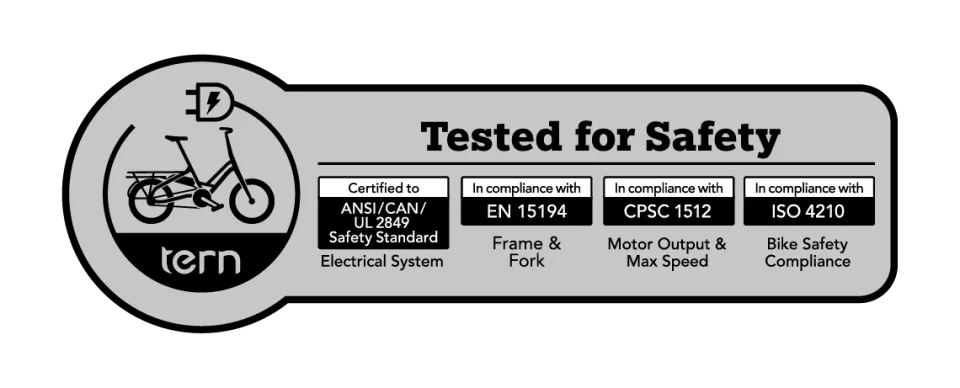
This sticker on Tern ebike frames clearly indicates that the electrical system is certified to UL 2849
Check the UL Product iQ database
If a manufacturer claims direct certification from UL, look for a UL label on the product. This label often includes a number that you can enter in the UL Product iQ database to verify.
Frequently asked questions
Are Tern e‑bikes legal in Australia?
Yes. Tern electric bikes are legal in Australia, provided they meet the e-bike safety requirements set by the federal and state governments.
Australia has aligned its federal requirements with the European standard EN 15194, which defines key criteria such as maximum motor power, pedal-assist operation, and speed limits. It’s intended to help ensure consistency and reduce the number of non-compliant electric bikes on the market. Tern e-bikes are third-party tested and designed with EN 15194 requirements in mind. Because the law can vary slightly by state or territory, it’s still a good idea to check local guidance before riding.
Read more: eBike Laws and Regulations in Australia
Are Tern e‑bikes legal in the United States?
Yes, Tern electric bikes are legal in the US.
At the same time, some cities are introducing additional safety requirements. A well-known example is New York City’s Local Law 39 (2023), which mandates that micromobility devices, including e-bikes, sold, leased, or rented in the city comply with recognized UL safety standards. This law was introduced in response to lithium-ion battery fires and typically requires certification to UL 2849.
More on this: CPSC Urges Manufacturers to Meet UL Safety Standards for E-Bikes and E-Scooters
What safety certifications are required for electric bikes in New York City?
In March 2023, New York City introduced additional safety requirements for ebikes and other micromobility devices. On September 16, 2023, the New York City Council passed Initiative 663-A, requiring electric bikes, scooters, and their lithium-ion batteries to be third-party certified.
Under this law, devices sold, leased, or distributed in New York City must be certified by UL Solutions or another Nationally Recognized Testing Laboratory (NRTL). For e-bikes, this includes:
- UL 2849 for the complete ebike electrical system
- UL 2271 for the battery pack
Read more: New York City Local Law 39 of 2023
How do I know if my Bosch battery is the original?
Using an authentic Bosch battery helps ensure reliability and safety. Bosch is known for its high-quality e-bike systems, and its battery packs are designed and tested as part of a complete system that’s certified to UL 2849. If you’ve bought a Bosch e-bike battery and want to confirm it’s genuine, here’s what to do.
- Locate the Bosch type label on your battery. This label includes the battery’s serial number.
- Go to the Bosch eBike battery check page and enter the serial number in the search field. If a result pops up, rest assured that your battery is a Bosch original.
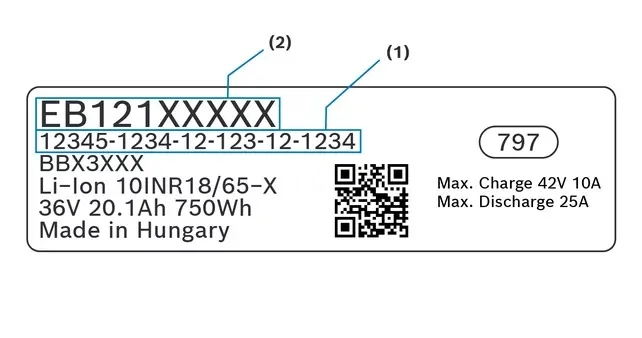
A Bosch Smart System e-bike battery type label. 1 = Battery serial number; 2 = Part number. The label’s layout depends on the battery model and its model year.
Summary
As electric bikes become more common, safety standards like UL 2271 and UL 2849 are becoming increasingly important. While UL 2271 focuses just on the battery pack, UL 2849 evaluates the whole electrical system, which includes the battery pack, charger, motor, wiring, display unit, and controller. Because UL 2849 assesses how these components work together, it provides a higher level of safety assurance.
When comparing ebikes, it’s important to verify how UL is presented. Look for clear references to the applicable UL standard in the manufacturer’s marketing materials, check for certification labels on the bike or its electrical components, or use the UL Product iQ database to confirm.
If you’re considering a Tern ebike, you can explore the models with electrical systems certified to UL 2849 listed above to find one that fits your needs. And if you’d like to learn in more detail about other e-bike safety standards and how they compare, check out: E-Bike Certifications — The Ones That Really Matter for Your Safety.
Related Articles

Het rijden met een e-bike zorgt voor een zware belasting op het frame, de voorvork, de remmen en de wielen. Er zijn betere onderdelen nodig om een soepel en stabiel rijgedrag bij hogere snelheden te garanderen en er zeker van te zijn dat u onder alle weersomstandigheden op tijd tot stilstand komt.