Are E-Bike Batteries Dangerous? The Top Misconceptions Explained
If you’re thinking about getting an electric bike or electric cargo bike, it’s normal to have questions—especially about major (and costly) components like the battery. Unfortunately, e-bike batteries are often misunderstood, with plenty of myths and outdated information being passed around. And it certainly doesn’t help that they only seem to get attention when a thermal incident happens. So before you buy, let’s separate the facts from the fiction and look at what really affects battery safety, performance, and lifespan.
We’ll Cover These Misconceptions
- “E-bike batteries are dangerous”
- “More battery capacity means more speed”
- “E-bike batteries don’t last very long”
- “You should drain the battery completely before recharging”
- “Charging overnight will ruin the battery”
- “Cold weather permanently damages e-bike batteries”
- “Cheaper third-party batteries work just as well as branded ones”
- “Replacing an e-bike battery means replacing the whole bike”
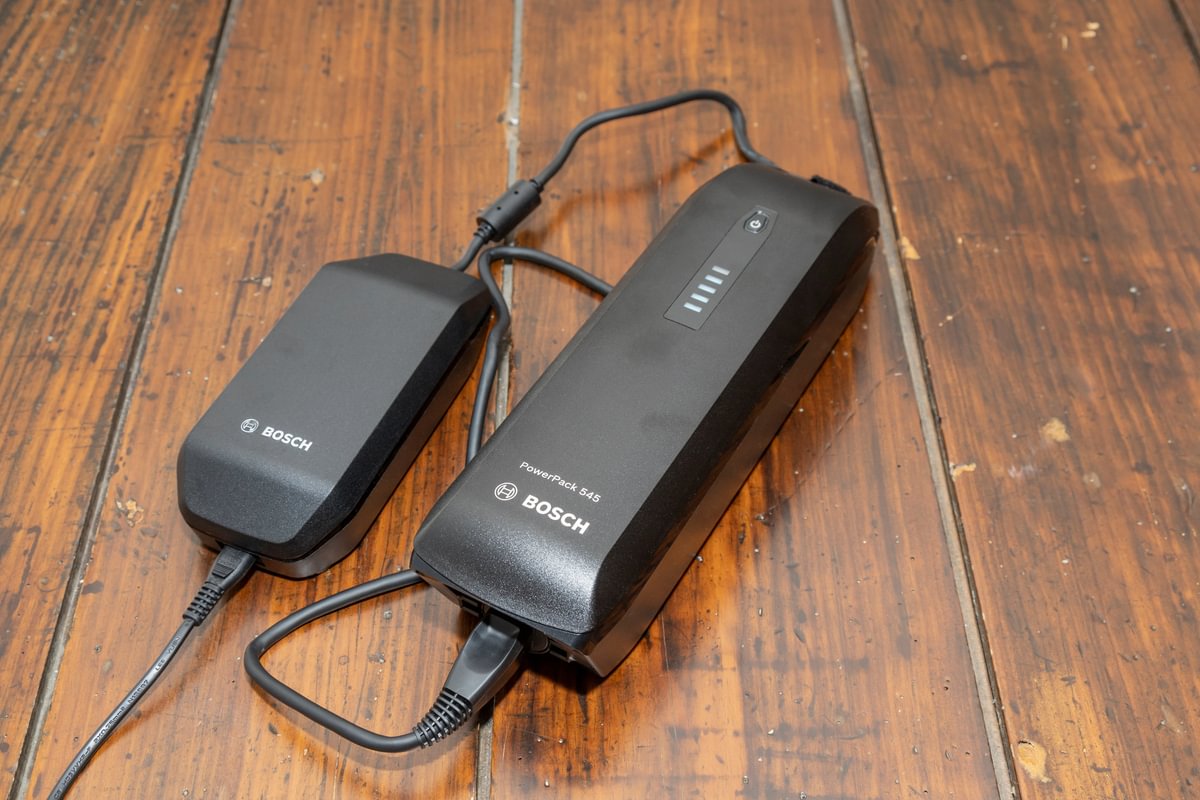
“E-bike batteries are dangerous”
With more reports of e-bike fires in the news lately, it’s understandable that some people worry about battery safety. A common question is whether lithium-ion e-bike batteries can catch fire when they’re not being charged. The good news is that, when they’re well-made, certified, and used properly, e-bike batteries are generally safe both in use and in storage, and they don’t randomly catch fire on their own.
The biggest risks usually come from poor battery quality, damaged batteries, improper chargers, or incorrect storage and charging habits. Reputable manufacturers design batteries with built-in protection systems and subject them to strict third-party testing before they hit the market. These batteries undergo rigorous testing for thermal stability, impact resistance, short-circuit protection, and more to meet recognized safety standards, such as UL 2271 (for the battery itself) or the even more comprehensive UL 2849 covering the entire e-bike electrical system, including battery, charger, and motor.
Using original batteries and chargers and following the manufacturer’s guidelines significantly reduces the chance of problems. When a battery is properly built, tested, and certified, the risk of overheating or failure is actually much lower than many people assume.
Key takeaway
E-bike batteries are not inherently dangerous. The real risk comes from low-quality, uncertified batteries or improper user habits. Choosing certified batteries and following the manufacturer’s instructions is the best way to stay safe.
You might want to know: How can I tell if an ebike system is really certified to UL 2849?
“More battery capacity means more speed”
Some folks assume a bigger battery means more power and speed on an e-bike, but that’s not how it works. Your e-bike’s speed is determined by the legal limit in your region and the power of the motor. For example, in the UK and most of Europe, pedal-assist e-bikes (pedelecs) are legally limited to 25 km/h (15.5 mph), and the motor cuts off electric support once you hit that speed. So no matter how big the battery is, your top speed won’t change unless your region allows a higher limit and your motor is tuned to deliver it.
What a bigger battery does do is give you more range. An 800 Wh battery will let you ride much farther than a 400 Wh battery. In terms of speed, though, you’ll still top out at the same limit allowed in your region.
Key takeaway
Bigger batteries extend your range, but they don’t increase top speed. If you want more speed, check the legal limit in your area and choose a bike with a motor designed for it.
Learn more: How Pedelec and Throttle eBikes Differ and Are Classified
“E-bike batteries don’t last very long”
It’s easy to believe this when more riders online complain about their battery dying after a year or two than post “my battery lasted exactly as long as it should!” In reality, whether your battery lasts one year or more than five depends on many factors, including how you use it and how it was made.
From the get-go, high manufacturing quality can significantly extend battery life. Better cells and stronger construction help ensure consistent performance and greater tolerance to heat and stress. A more advanced battery management system (BMS) also protects the battery by preventing overheating, over-discharging, and short circuits. Beyond build quality, your riding and charging habits also affect how long the battery lasts. For example, carrying heavy loads, riding in extreme temperatures, and frequently charging to 100% after short rides can put extra strain on the battery and may accelerate wear.
Key takeaway
While low-quality batteries from no-name manufacturers often wear out faster, most modern e-bike batteries from reputable brands are built to last much longer. In fact, with good habits like proper charging and storage, they can last 8 or 9 years before you notice a significant drop in capacity.
Related: Standards That Ensure Your E-Bike and Battery Are High Quality
“You should drain the battery completely before recharging”
This one belongs in the museum of dated battery wisdom. The advice comes from older battery types like nickel-cadmium, where a full discharge was thought to prevent a memory effect. Most e-bikes use lithium-ion batteries, which behave differently. Lithium-ion batteries prefer partial charges and discharges, so charging before the battery hits zero is not only fine, it is actually better for long-term health. Constantly draining the battery to empty or charging to max capacity puts extra stress on the cells and will speed up degradation over time.
Key takeaway
Do not drain your e-bike battery completely before charging. A good rule of thumb is to wait until the charge falls below 30–40%, then charge up to 80–90%. Only top it up to 100% when you need the full range for a longer trip.
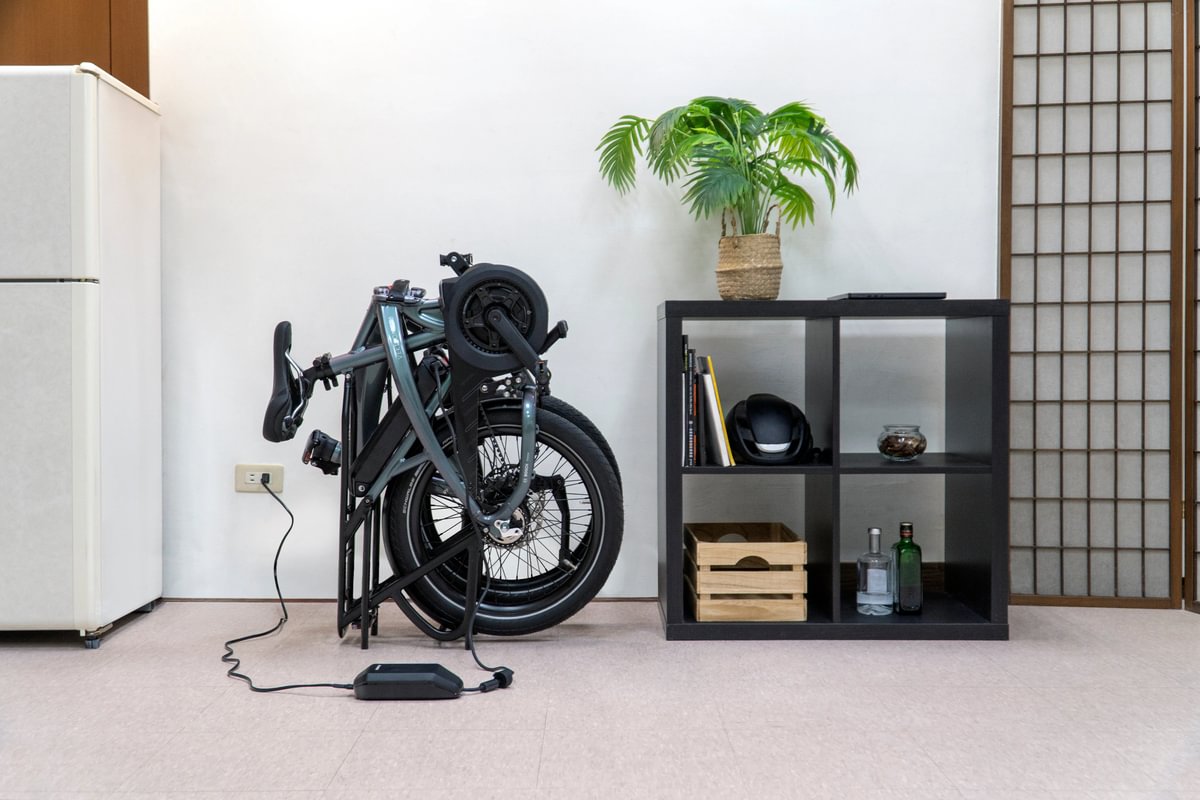
“Charging overnight will ruin the battery”
Low-quality batteries and third-party chargers not approved by the manufacturer often lack proper charge control. In those cases, the charger may continue feeding power even after the battery is full, which can potentially damage the battery or increase the risk of overheating and thermal incidents.
If you stick to original batteries and chargers from trusted manufacturers that have been tested and certified by third-party labs like Underwriters Laboratories (UL), you don’t need to worry about the occasional overnight charge. High-quality e-bike batteries have a BMS in place that controls charging and prevents overcharging. When paired with the manufacturer’s approved charger, the charging process stops automatically once the battery reaches full capacity.
That said, it’s still a good idea to keep an eye on your battery while it’s charging. Since charging overnight will almost always bring the battery to 100% and keeping it at full charge can add unnecessary stress, charging earlier in the evening to 80–90% capacity and unplugging before bed can be a better routine.
Key takeaway
For everyday riding, use original, certified batteries and chargers, and aim to charge to 80–90% rather than 100% unless you need the extra range. Occasional overnight charging is fine, but unplugging before bed helps keep your battery healthy over the long run.
Learn more: E-Bike Charging Habits Every Rider Should Know
“Cold weather permanently damages e-bike batteries”
Cold temperatures don’t usually cause permanent damage, but they can temporarily reduce performance and range because a cold battery has higher internal resistance.
Think of it like trying to squeeze honey out of a bottle that’s been sitting in the fridge. It takes longer, some will stick to the sides, and you might even have to give it a good shake to get the flow going. As it warms up to room temperature, the honey eventually loosens and flows more easily. A cold battery is the same—it charges more slowly and less efficiently until it warms up. Not that we’re saying you should shake your battery.
That higher internal resistance can also make discharging less efficient during rides, and your range can drop faster than usual. Most lithium-ion batteries start to lose efficiency below about 32°F (0°C).
So, the cold will not kill your battery, but you should expect reduced performance in winter and plan accordingly.
Key takeaway
During winter, charge and store your e-bike battery indoors when possible, let it warm up to room temperature before riding, and don’t be surprised if your range drops. For longer trips, consider bringing a spare battery if you have one.
“Cheaper third-party batteries work just as well as branded ones”
It’s tempting to believe this, especially when a lower-priced option promises the same voltage and capacity. But in most cases, e-bike batteries are not meant to be interchangeable from bike to bike. Branded batteries from established manufacturers are designed to communicate properly with their motor systems, built with higher-quality cells, and tested to meet strict safety and performance standards.
On the other hand, cheaper third-party batteries may power your bike at first, but because they don’t always “speak the same language” as the rest of the electric system, they can operate less efficiently. Moreover, cheap batteries often cut corners on cell quality, internal construction, and safety systems. That can lead to faster degradation, inconsistent performance, compatibility issues, and a higher risk of overheating or failure. In most cases, using unapproved third-party batteries will also void your bike’s warranty.
Key takeaway
You might save a little money upfront by buying a cheaper third-party battery, but your wallet will probably regret it later when you lose your bike’s warranty and still have to replace the battery sooner than expected. For consistent performance, longer battery life, and peace of mind, use a certified battery from a trusted manufacturer.
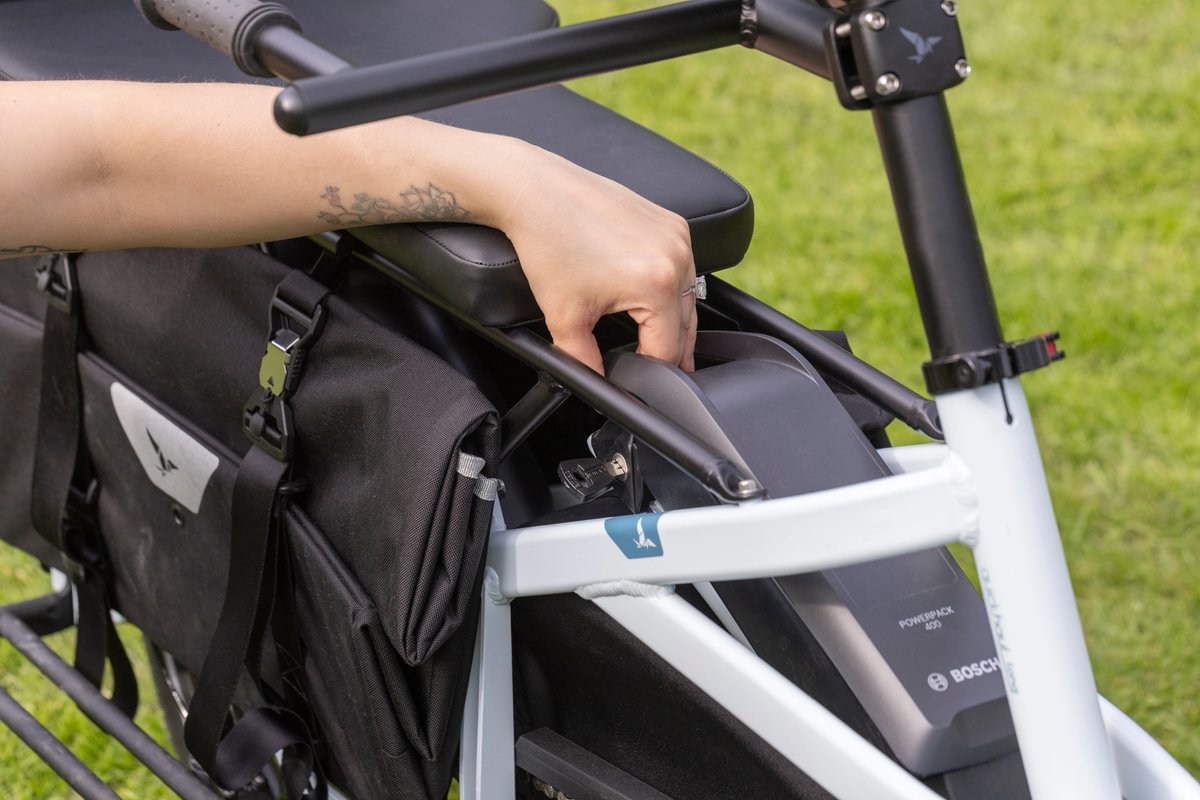
“Replacing an e-bike battery means replacing the whole bike”
This comes up a lot, mostly because some e-bikes are sold with batteries that aren’t easy for riders to remove themselves. The good news is that replacing the battery does not mean replacing the whole bike. On a well-designed e-bike, the battery is a serviceable part, just like tires, chains, or brake pads. When it no longer holds a charge efficiently, you can replace it and keep riding. Even on bikes with fully integrated, hidden batteries, the pack can still be serviced or replaced, though it usually needs a mechanic or authorized dealer to open the frame or handle the internal wiring.
Since an e-bike battery usually lasts several years, it’s also worth thinking about long-term support if you plan to keep using your bike for a long time. No-name battery makers can disappear or stop production without notice, which can make replacements hard to find and time consuming. In the worst case, a failed battery with no available replacement can turn your e-bike from a joy to ride into a hassle without e-assist.
That’s why it’s important to choose a bike with a battery system from a reputable brand that offers long-term support. Established suppliers design batteries and electronics with replacement in mind, and back them with spare parts programs, so riders can easily source and swap the battery whenever needed.
Key takeaway
Replacing a battery doesn’t mean replacing the whole bike. Even integrated batteries can be serviced or swapped with professional help. Choosing a reputable brand with long-term battery support ensures your e-bike stays on the road for the long run.
Find out: 5 Advantages of Bosch eBikes
By separating e-bike battery myths from facts, we hope you’re one step closer to feeling confident about going electric.
In the meantime, check out our range of e-bikes, from cargo to city to folding bikes, and see which one fits your lifestyle.
Related Articles

Montar en una bicicleta eléctrica supone un gran esfuerzo para el cuadro, la horquilla, los frenos y las ruedas. Necesita componentes de alta calidad para garantizar una conducción suave y estable a gran velocidad, y para poder frenar en seco, llueva o haga sol.